Leave room for the journey
An arrival afternoon starts with a few ordinary decisions. Is your accommodation in the opposite direction from the centre? Can you leave your bags there yet? How much daylight will remain after the train journey? Answer those questions before committing to a walk. A suitcase can have more influence on the afternoon than the number of attractions marked on a map.
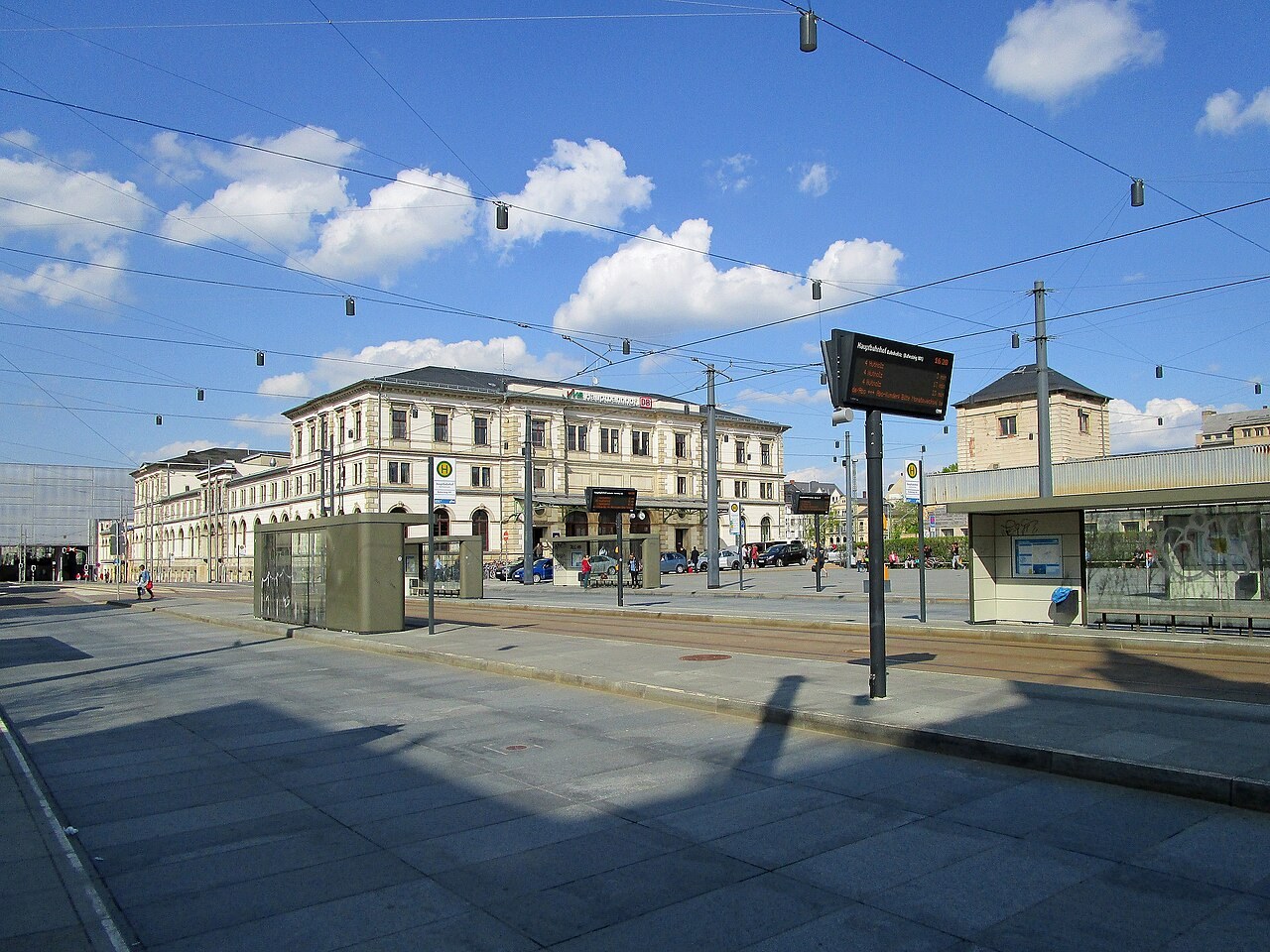
Chemnitz Hauptbahnhof is one possible starting point for an introduction to the centre. Save your accommodation address and the return route while you have a quiet moment to look at your phone. Deutsche Bahn's station information is the appropriate place to check facilities and station notices. Do not assume a particular service is available simply because you have used it at another main station.
Make Theaterplatz the first focus
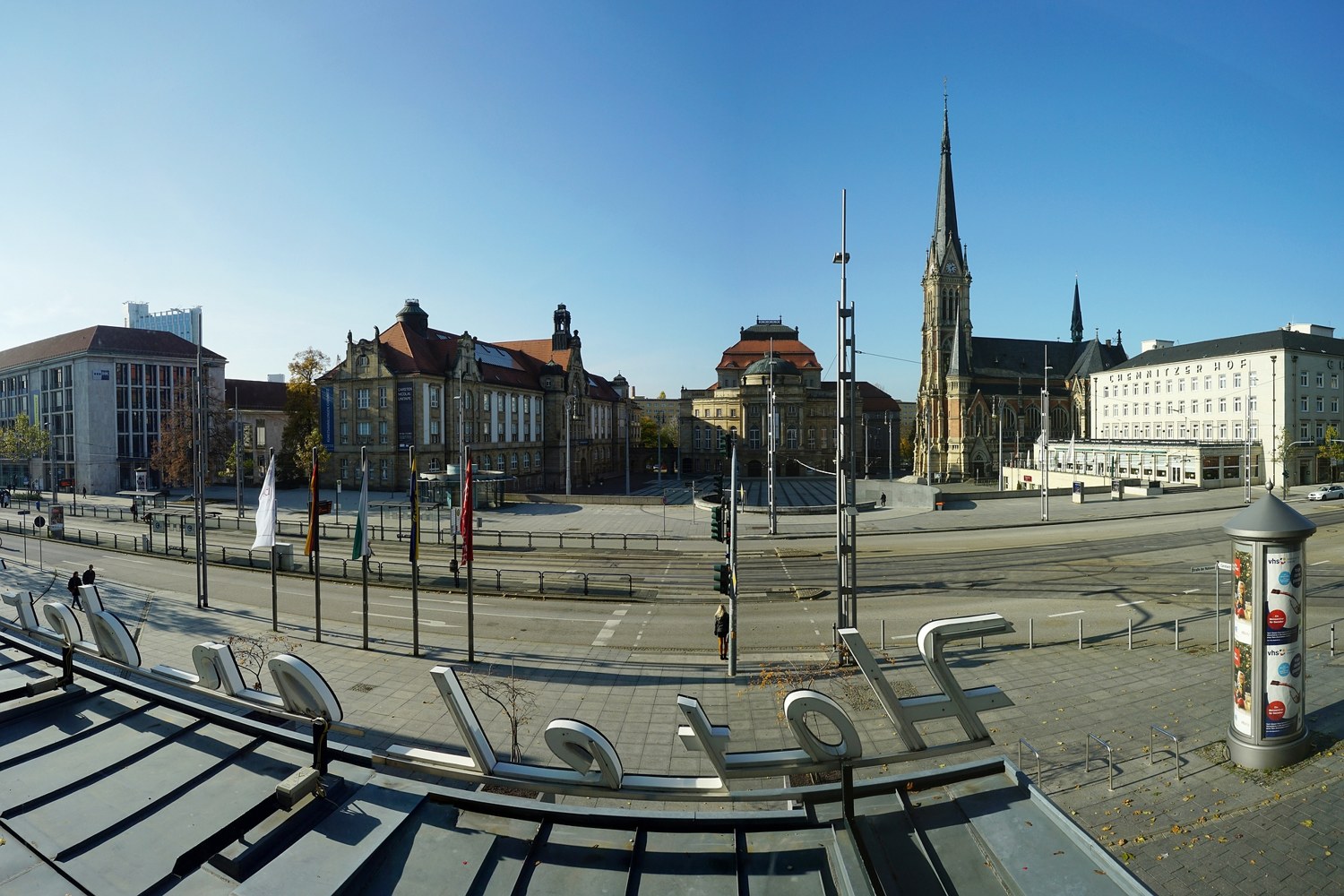
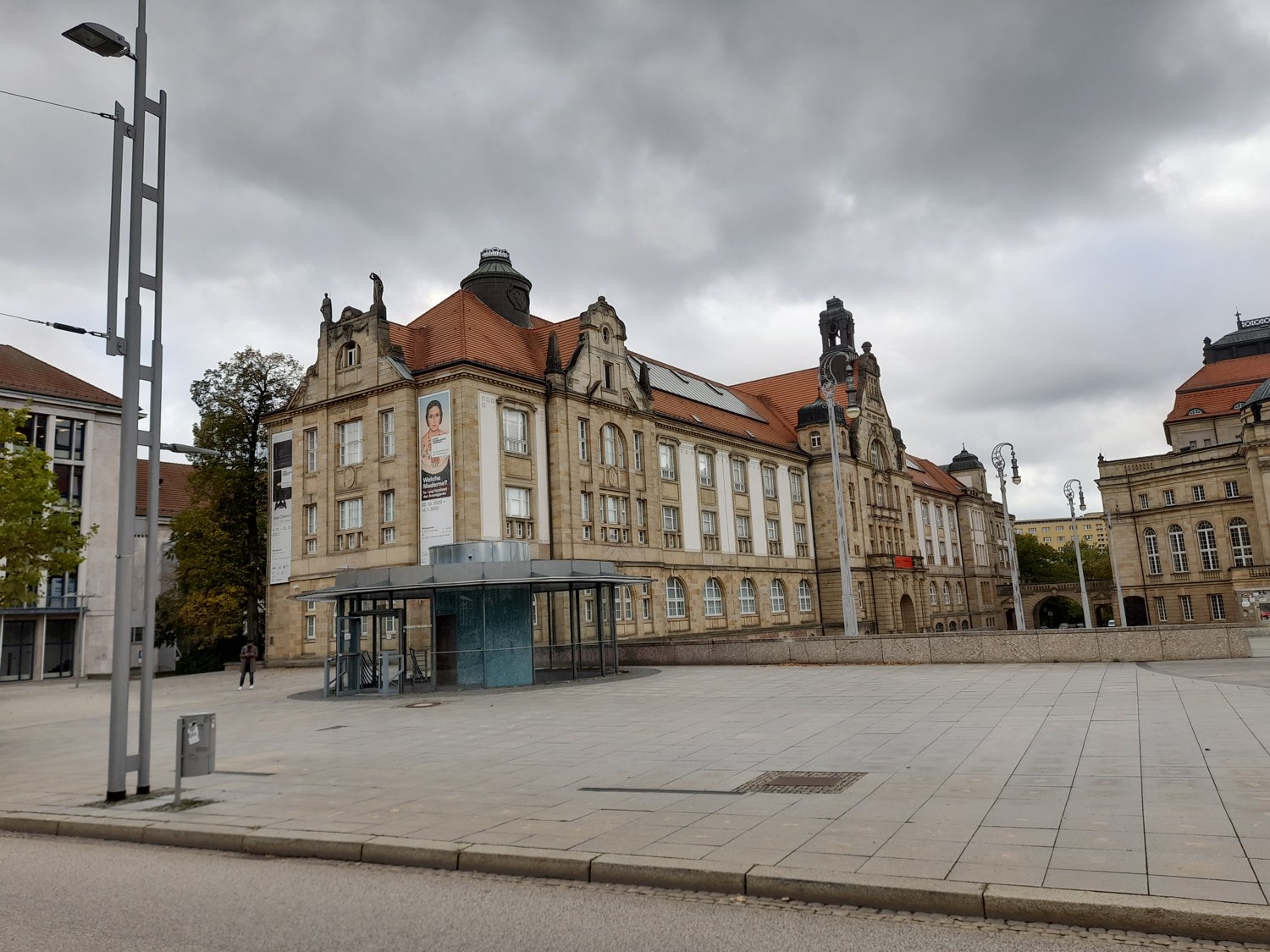
Theaterplatz gives the afternoon a clear first destination. The opera house and art collections make it a different kind of space from a shopping street. An exterior look is enough for this initial visit. That keeps a delayed train from turning into a missed reservation, and avoids squeezing a collection into the final minutes before it closes.
If you want to enter an exhibition, check the last admission time as well as the closing time. Consider how much of the visit would actually remain once you have arrived, left your coat and bought a ticket. A separate museum visit the next day may allow more attention to the collection. There is still plenty to observe outside while learning how the central streets connect.
Pick one continuation
From Theaterplatz, plan your onward walk into the centre with the Roter Turm as another point of reference. Alternatively, give the next part of the afternoon to Brückenstraße and the Karl Marx Monument. Choose according to your energy and the location of your accommodation. These are suggested destinations, not turn-by-turn walking instructions: use a current map and the designated street crossings as you go.
In rain, a short walk followed by a break may be more appealing than completing a large loop. If you need something to eat, look along the route you are actually taking. Check the entrance and current opening arrangements before relying on a place that looks conveniently close on a map. Keeping the plan flexible matters more on arrival day, when the journey can take longer than expected.
Give tomorrow a starting point
Before finishing, note one place you would like to return to. It might be a museum at Theaterplatz or a different section of the centre. Check its visitor information that evening and build the following day around it. The first walk then serves as orientation, rather than a race through a list of names you barely have time to remember.
If your arrival is late, reduce the plan to reaching your accommodation and taking a short look around its neighbourhood. There is no requirement to cover all the places mentioned here on the same afternoon. The walk has done its job when you know where you are and have a manageable place to begin the next morning.