Explore the city
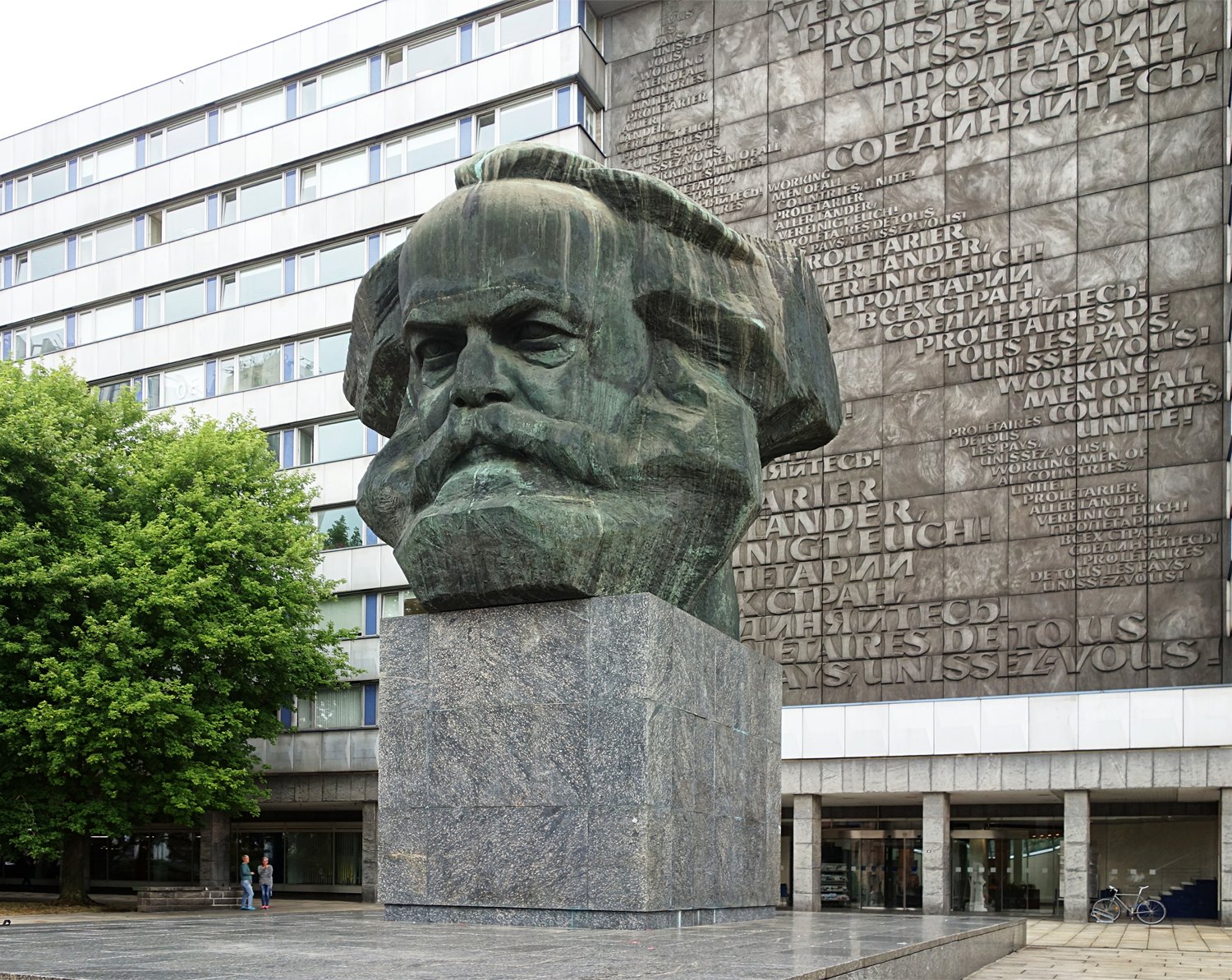
Seeing the Karl Marx Monument in its city setting
The bronze head makes more sense when you step back and look at the street and buildings around it.
CHEMNITZ / INDEX
130 articles found
Explore the city
The bronze head makes more sense when you step back and look at the street and buildings around it.
Explore the city
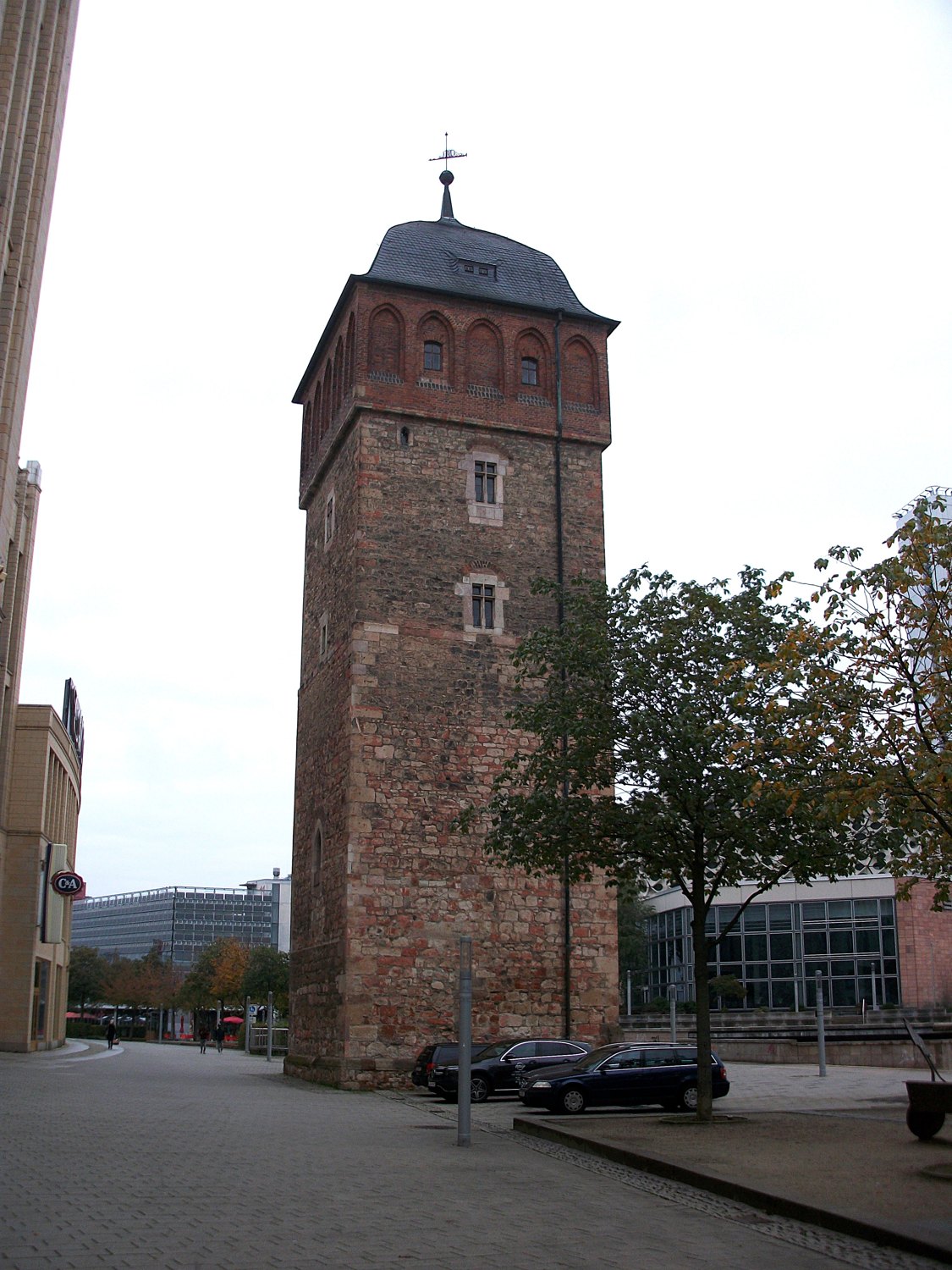
The tower makes more sense when you look at the routes and newer buildings around it.
Explore the city
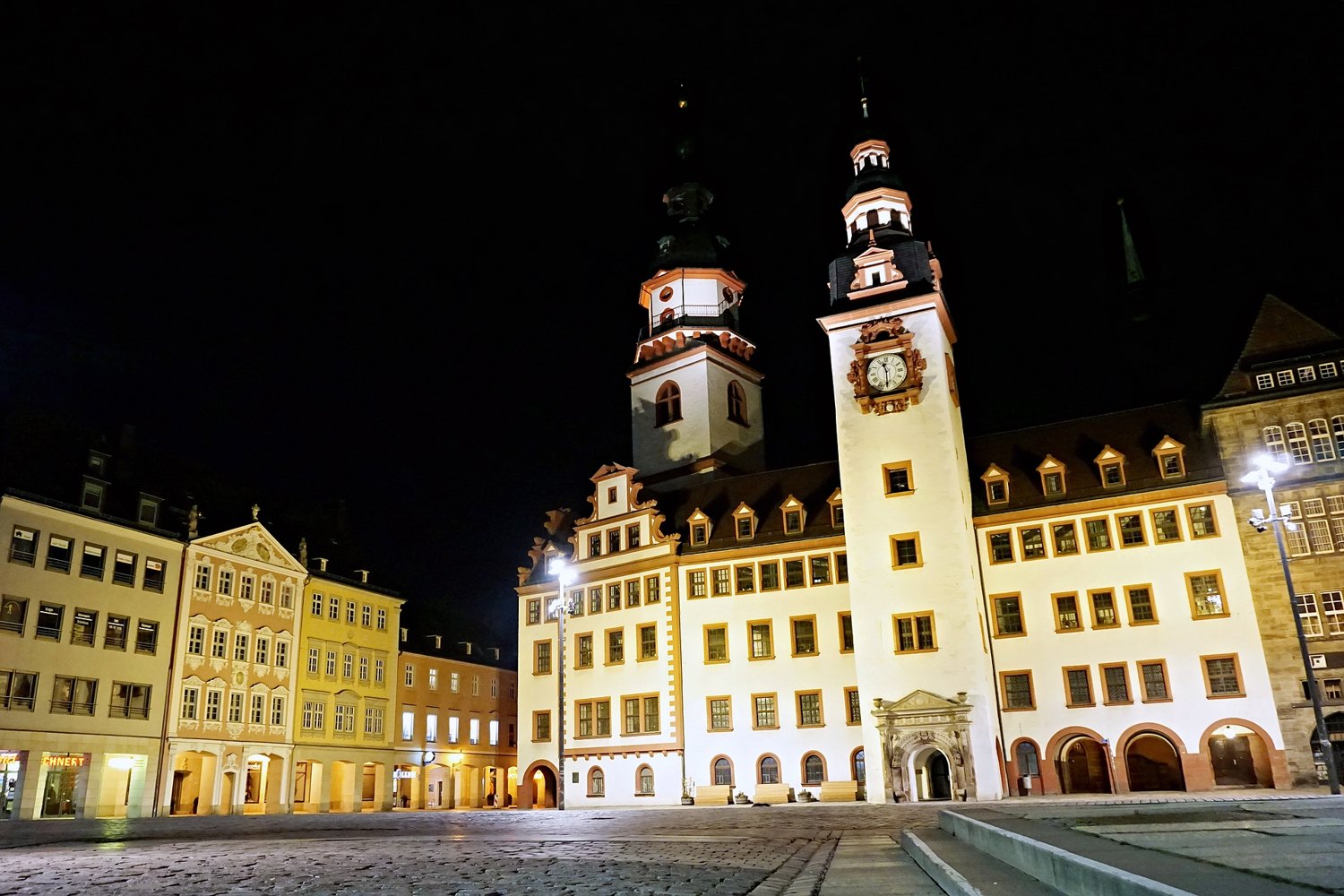
Separate a walk around the square from a booked interior visit, and the town halls become easier to understand.
Explore the city
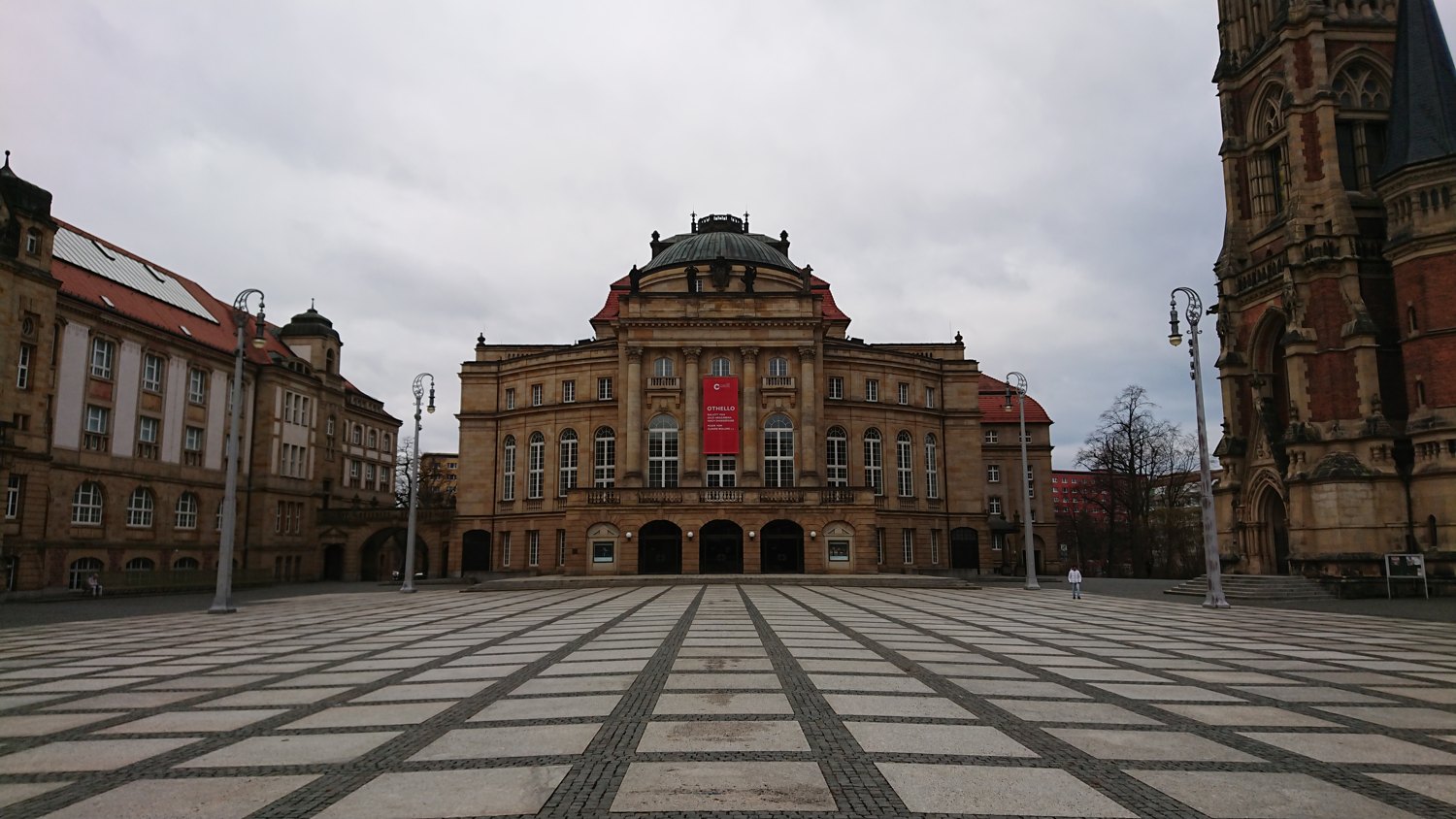
The square lets you compare a group of buildings before deciding whether to add a museum or performance.
Explore the city
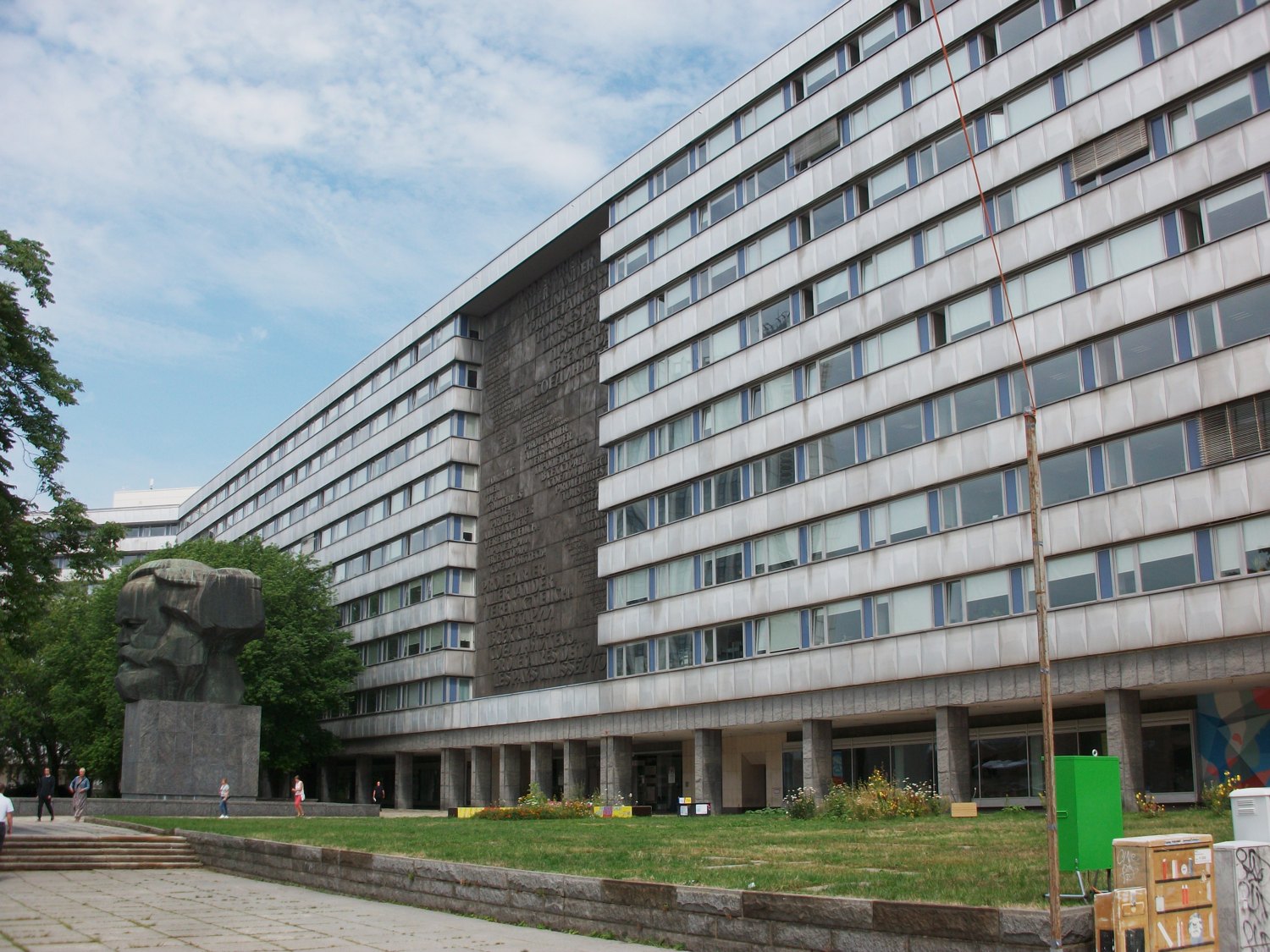
The broad street offers a different view of the centre from the market square and town halls.
Explore the city
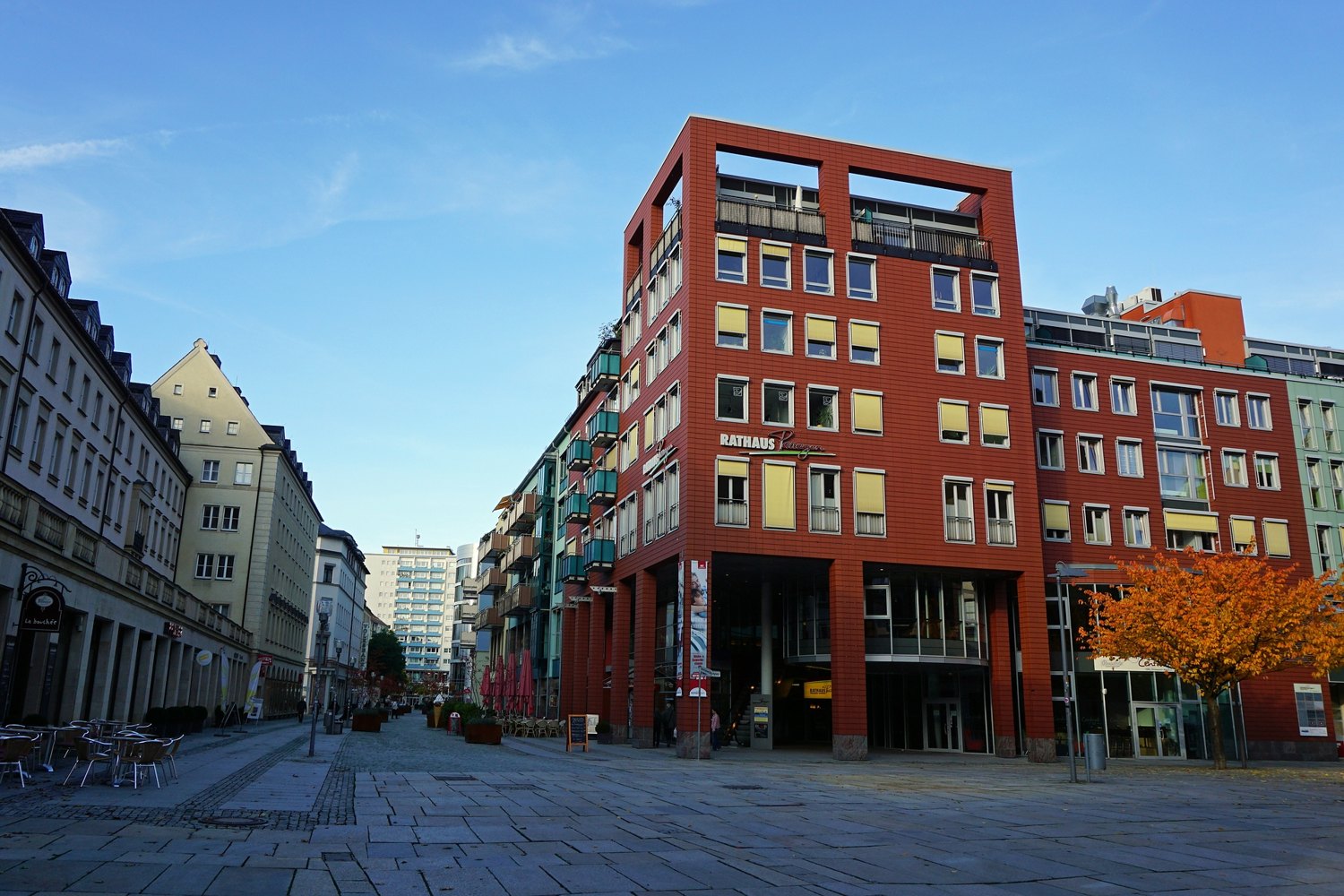
A short link near the market square reveals the smaller spaces within the centre.
Explore the city
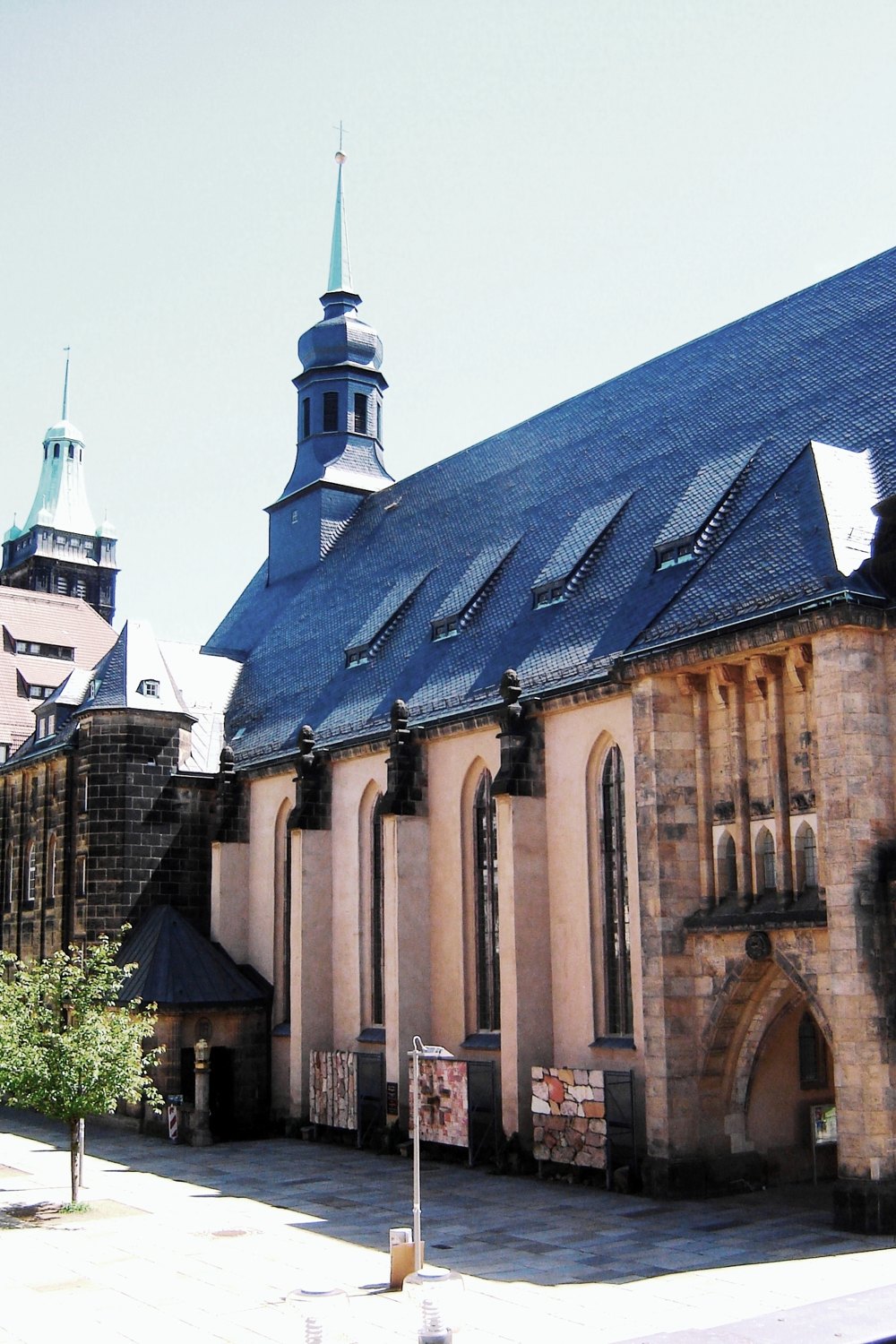
Its close relationship with the town halls is part of the visit, even before you enter.
Explore the city
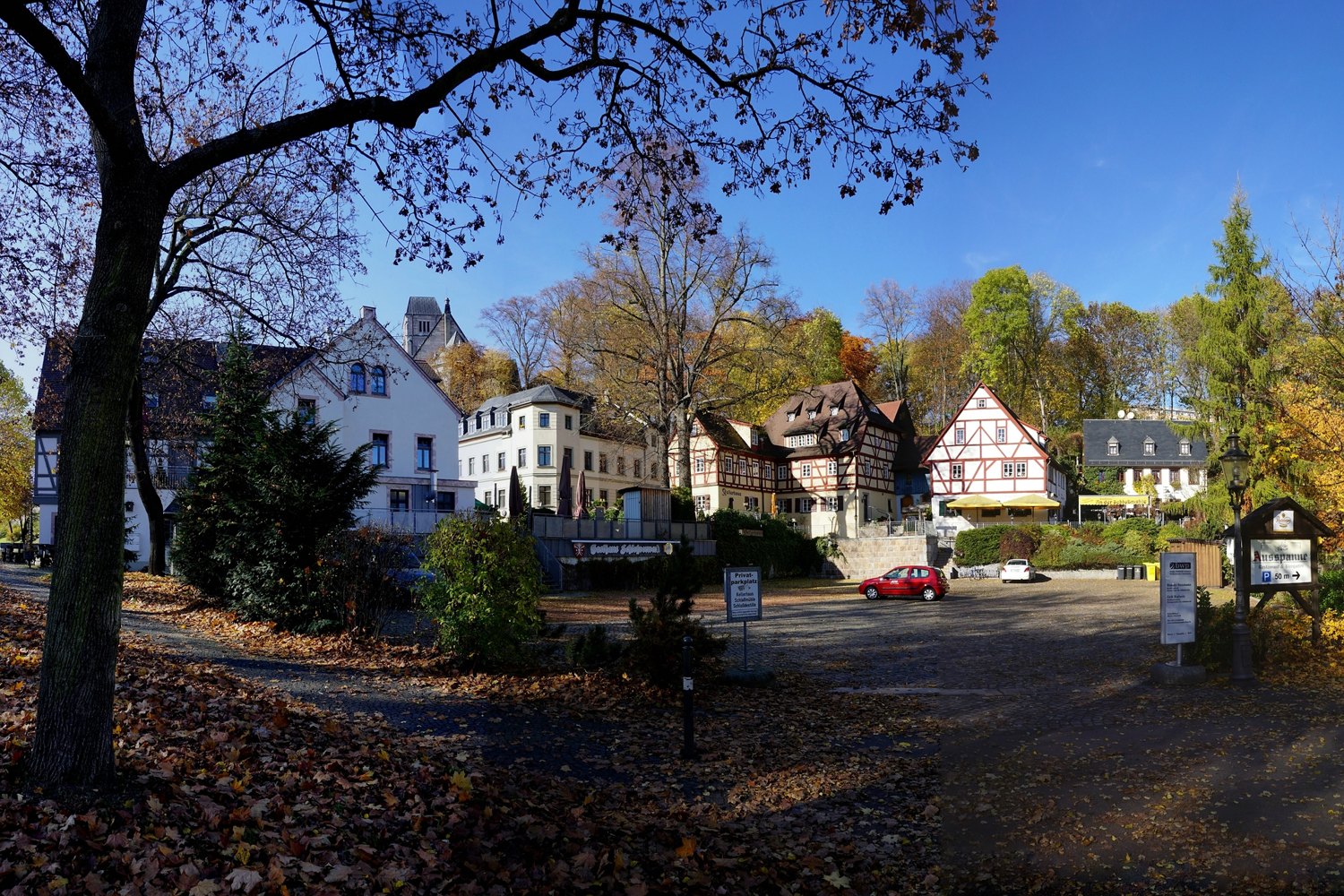
Treat the pond, timber-framed houses and hilltop buildings as parts of one outing.
Explore the city
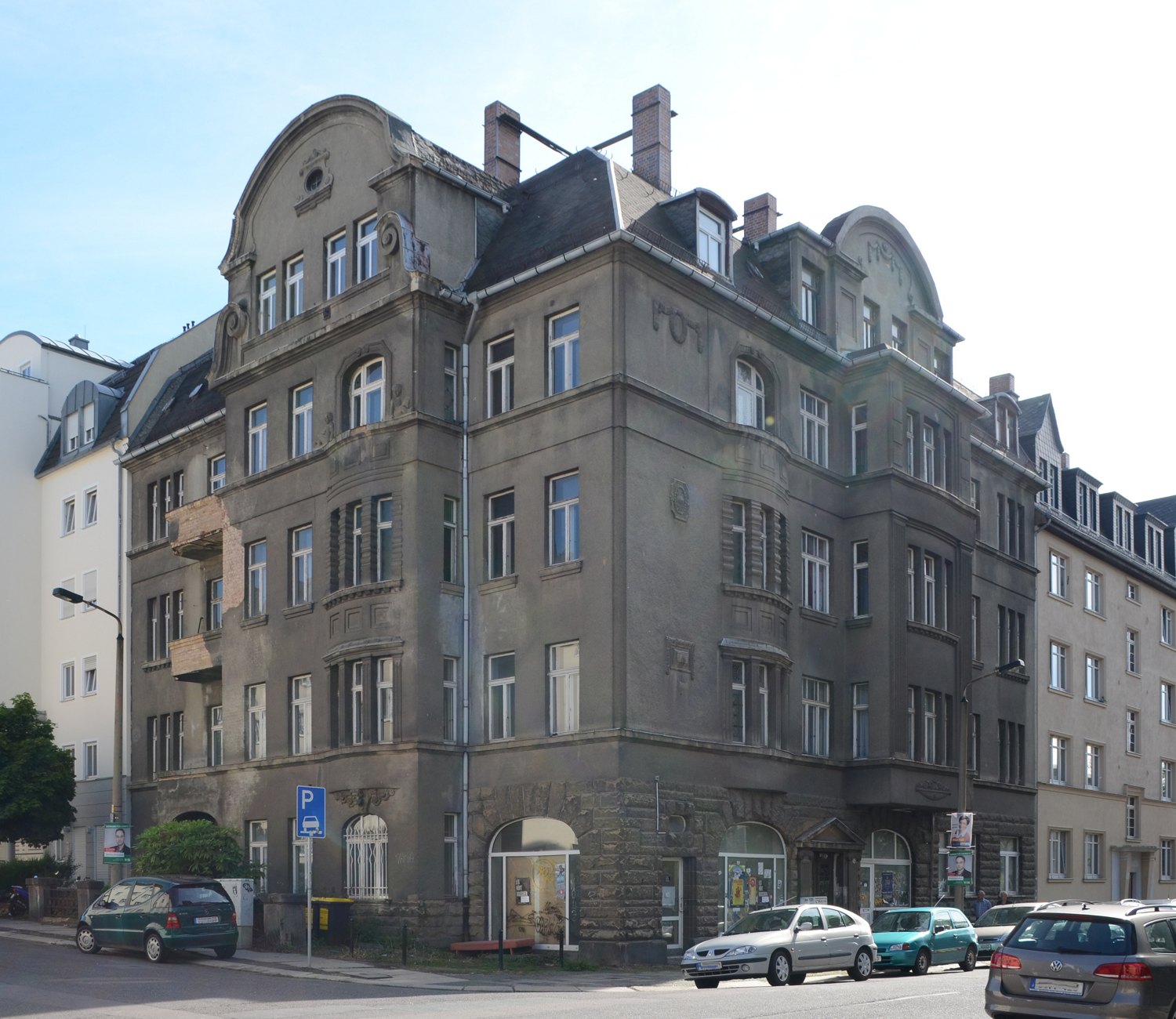
Explore connected streets and façade details while remembering that this is a lived-in neighbourhood.
Explore the city
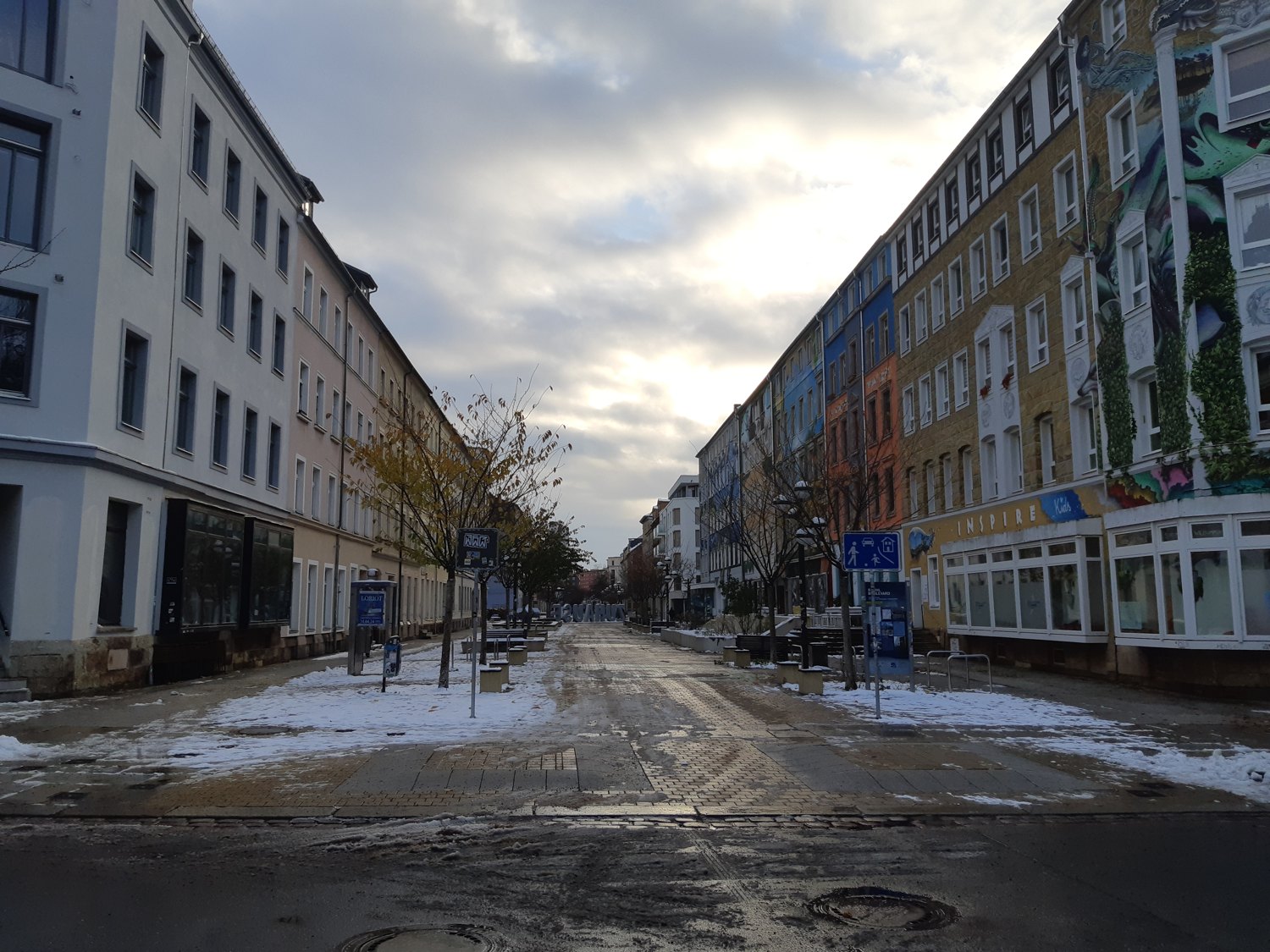
Use the Brühl for a slower stretch of your visit, with small businesses, street details and time to pause.
Explore the city
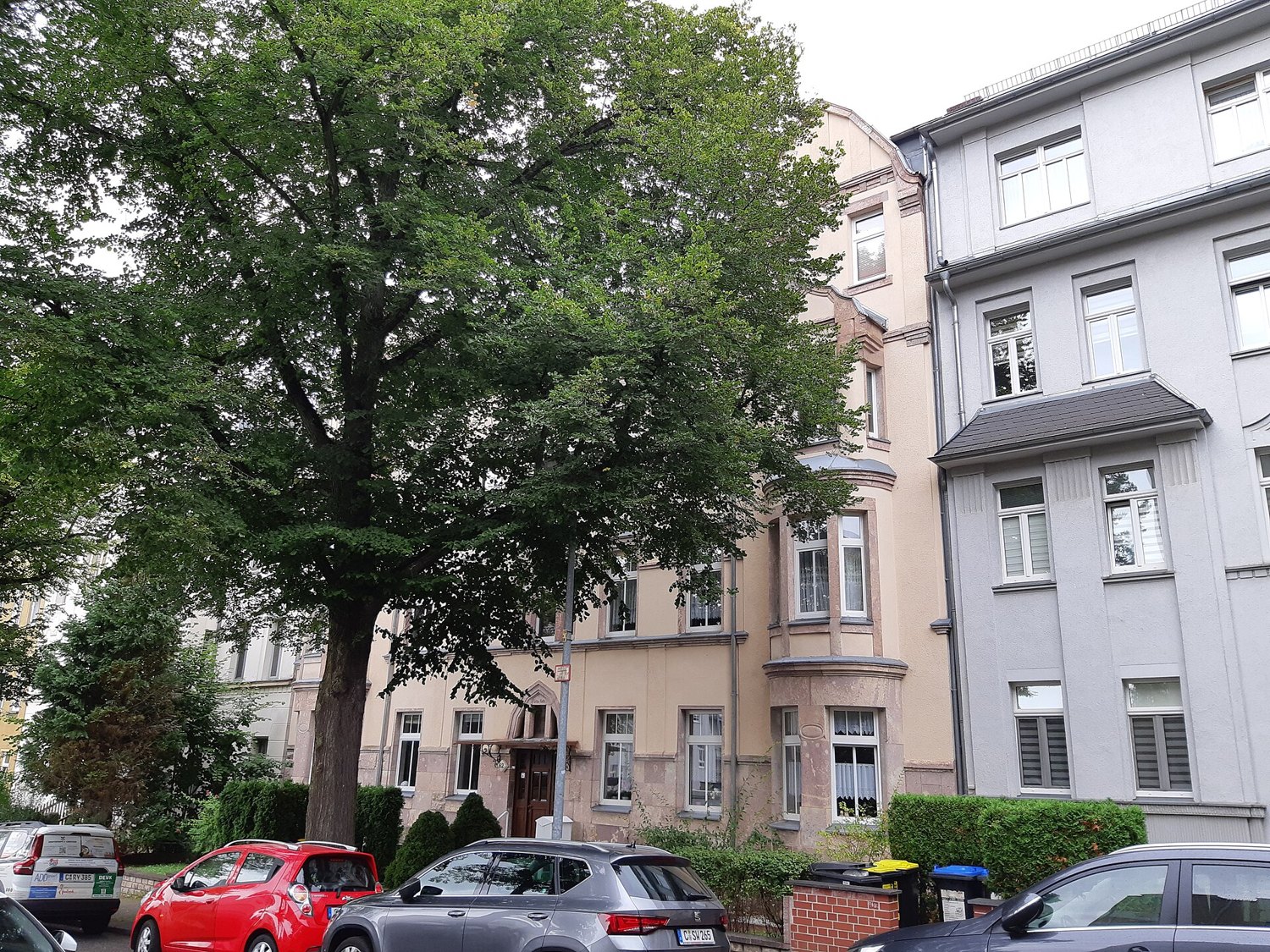
Explore a lived-in district without reducing its history or present-day character to a single label.
Explore the city
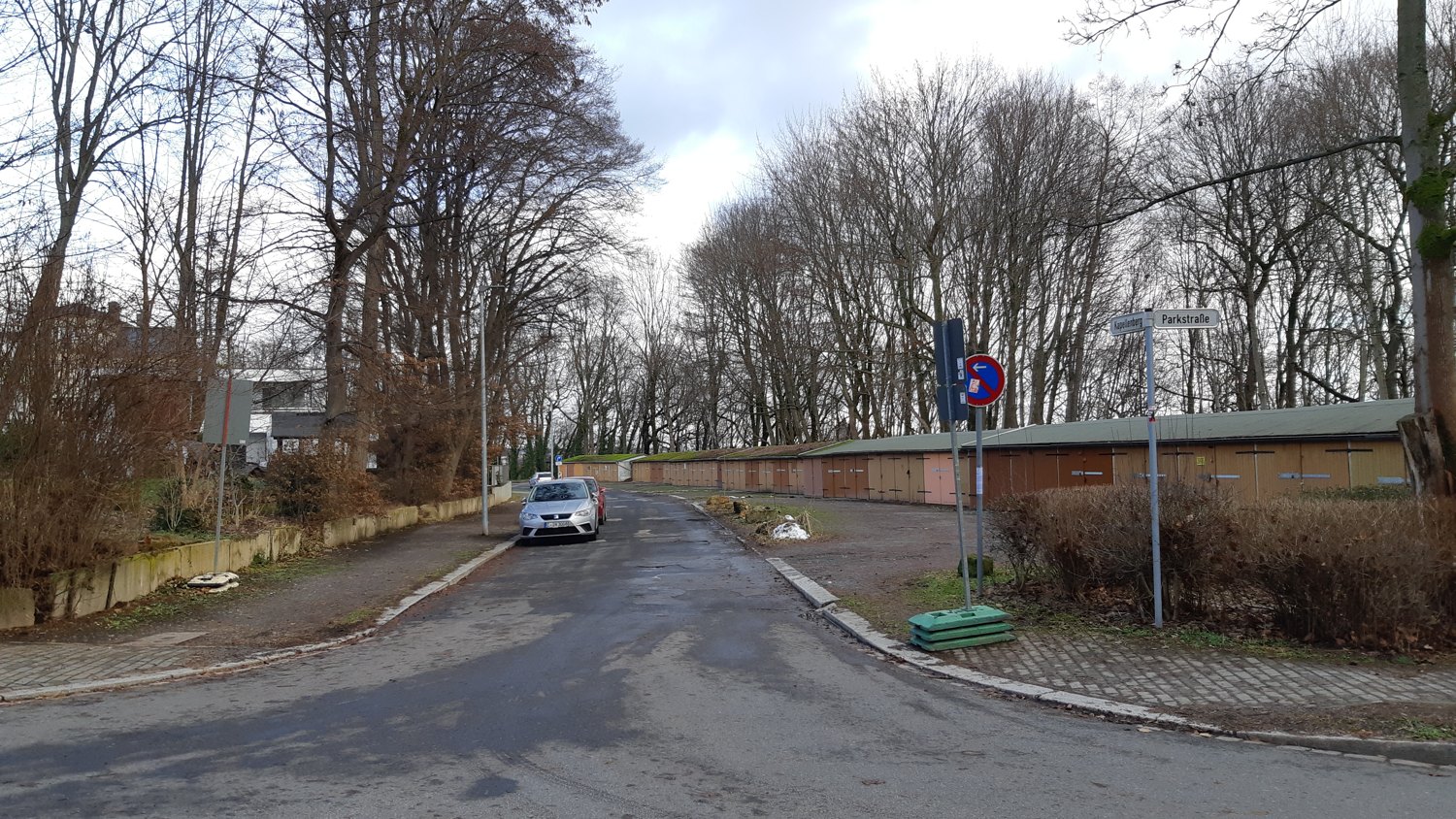
Treat Kapellenberg as a transition between the centre, museum destinations and greener slopes.
Explore the city
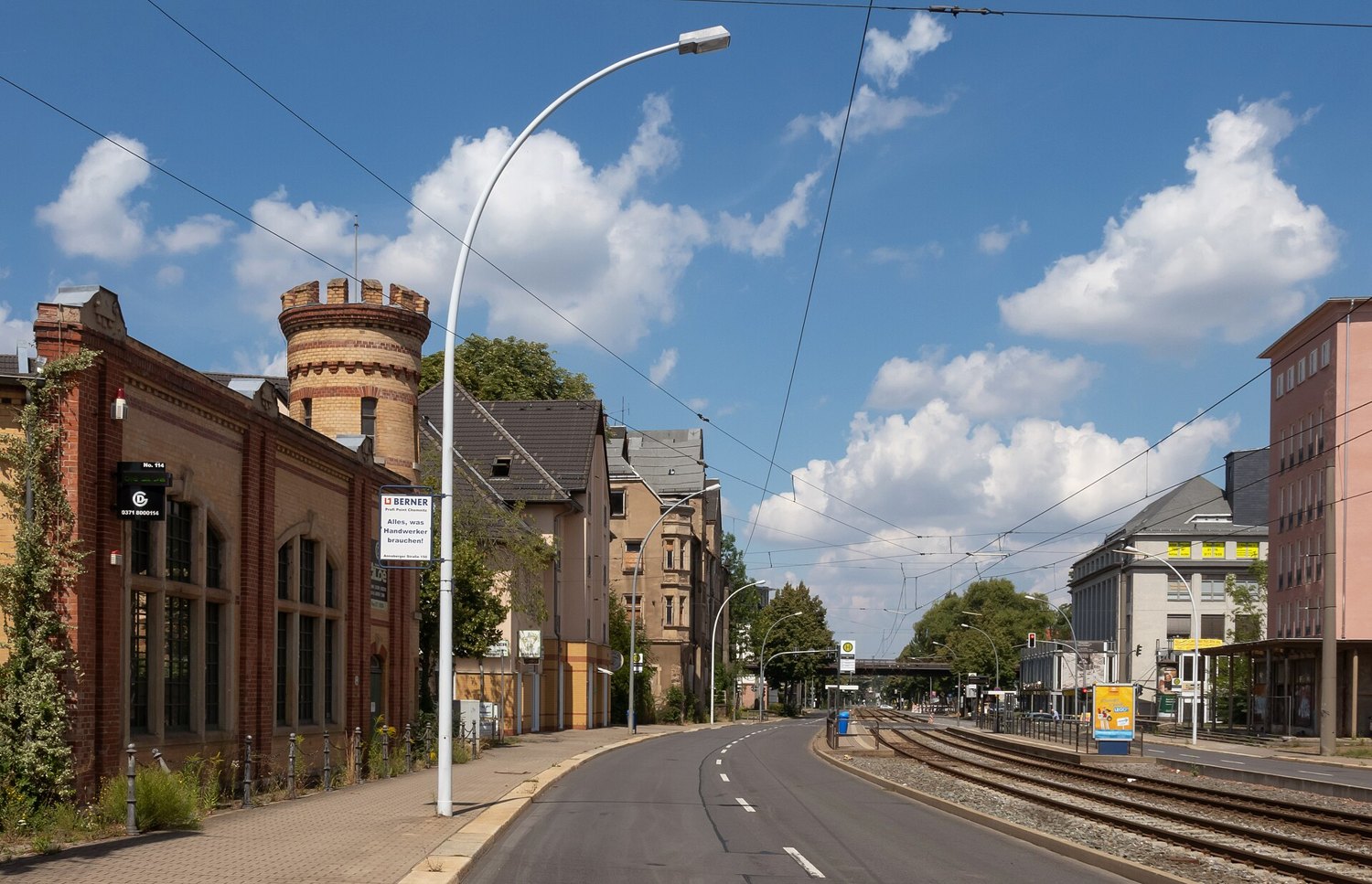
An exterior walk through Altchemnitz shows both industrial scale and the different ways former factories are used.
Explore the city
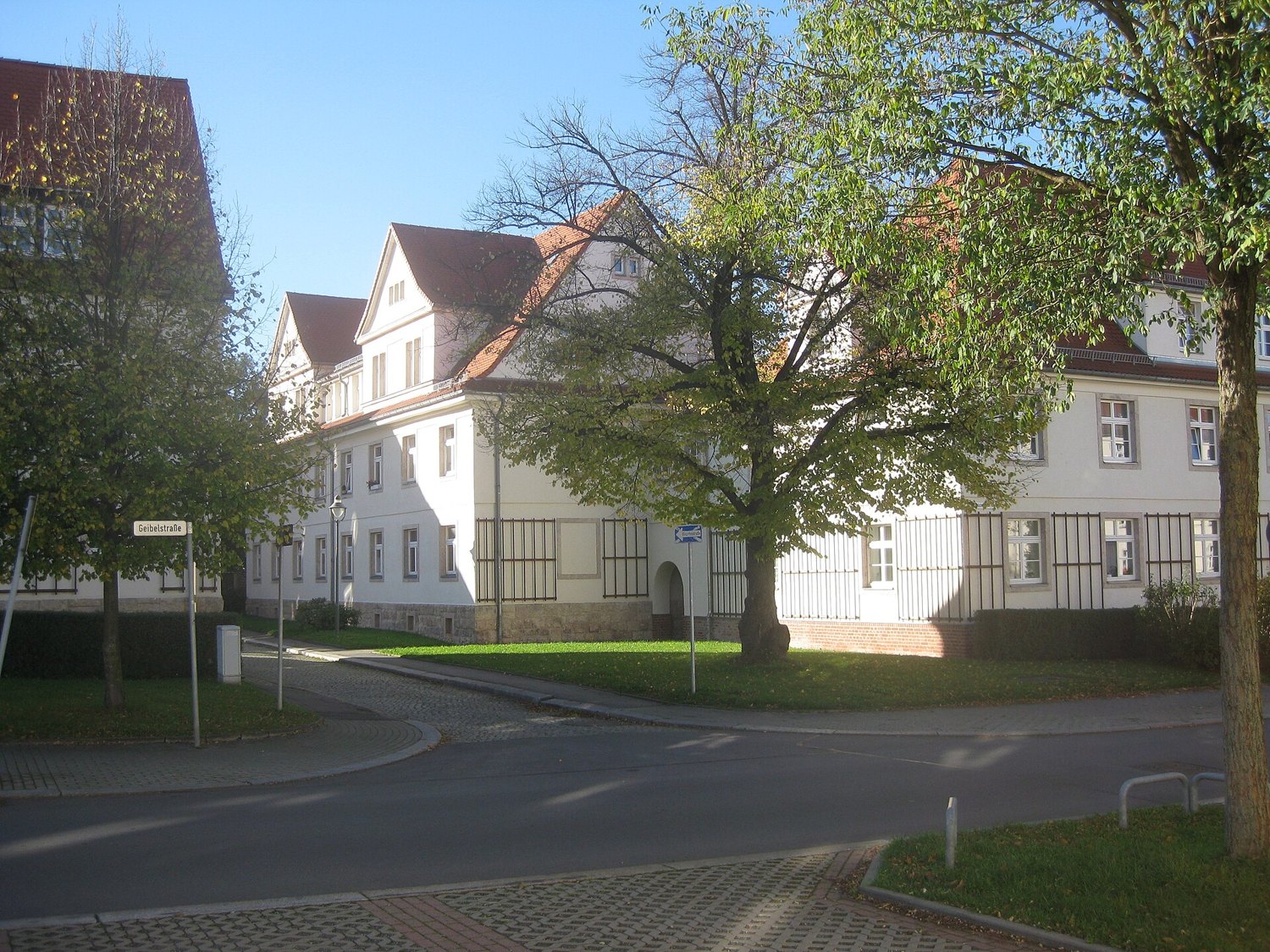
Gablenz provides a view of residential streets and green spaces beyond the usual central route.
Explore the city
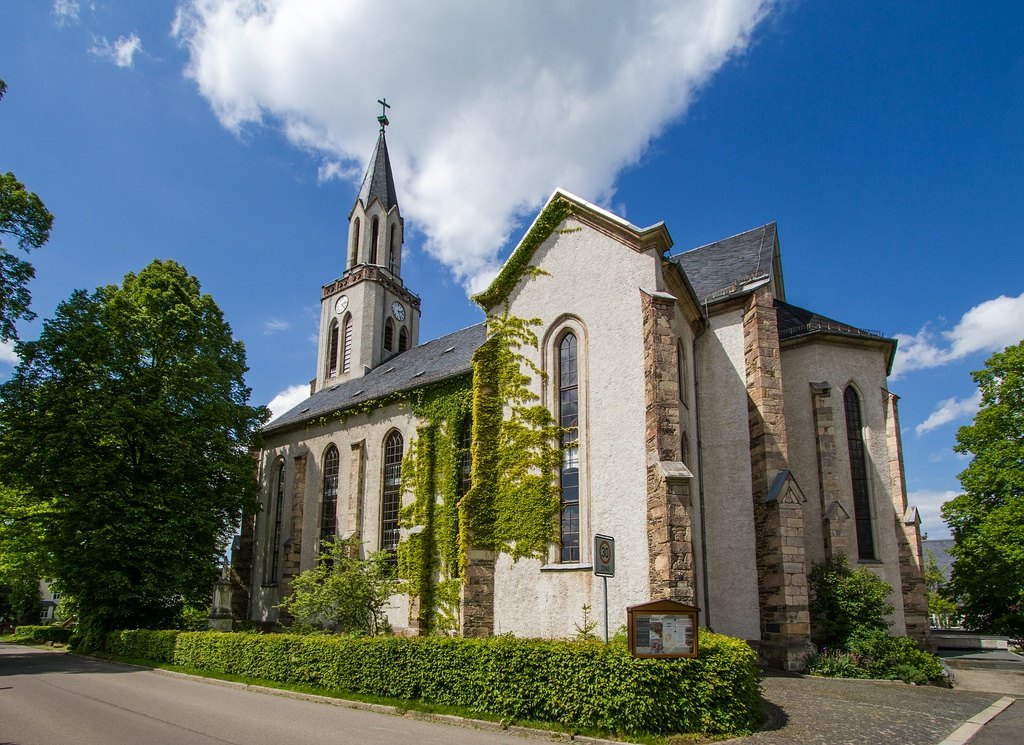
Choose one main destination before combining Rabenstein with its castle, woodland or other outings.
Explore the city
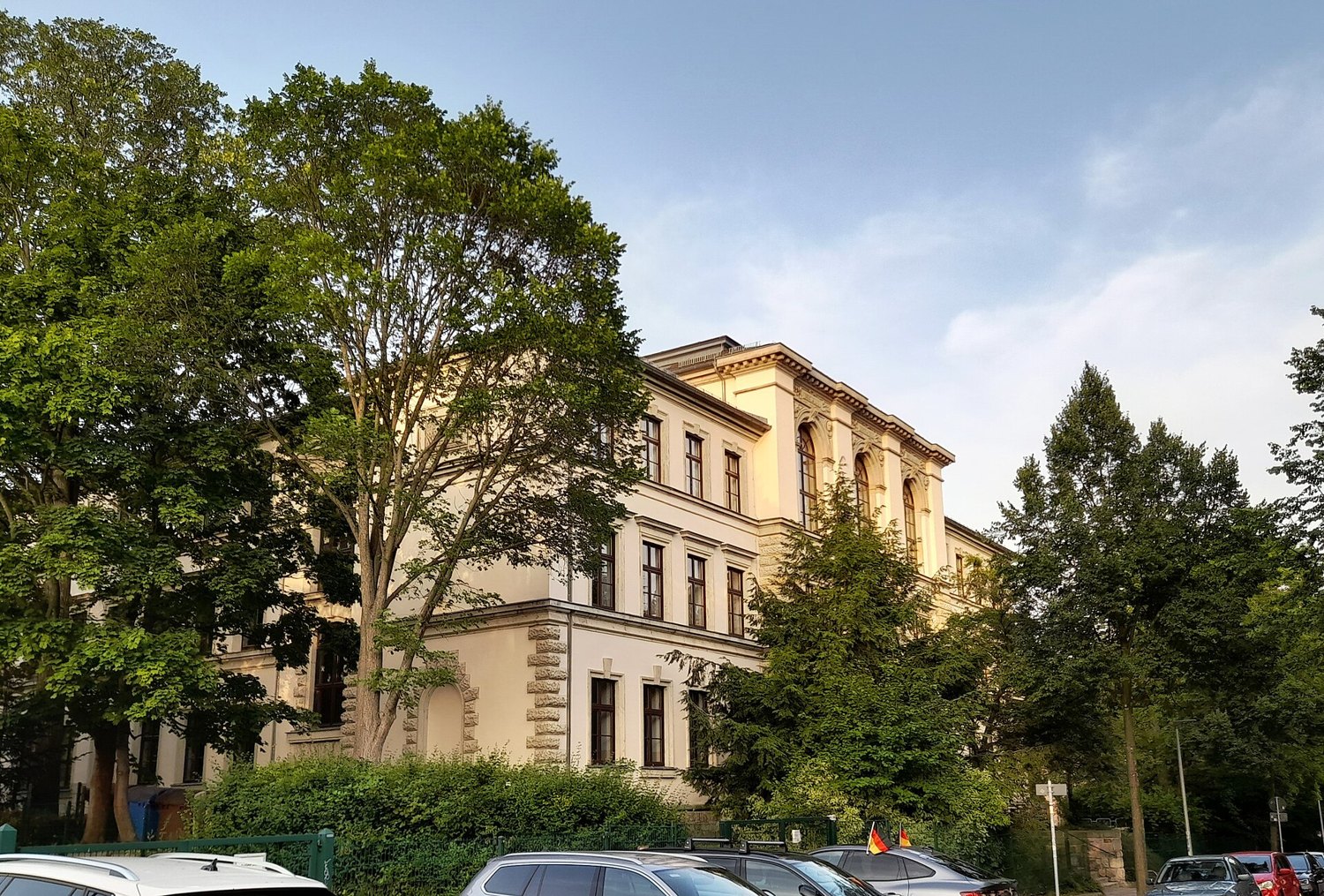
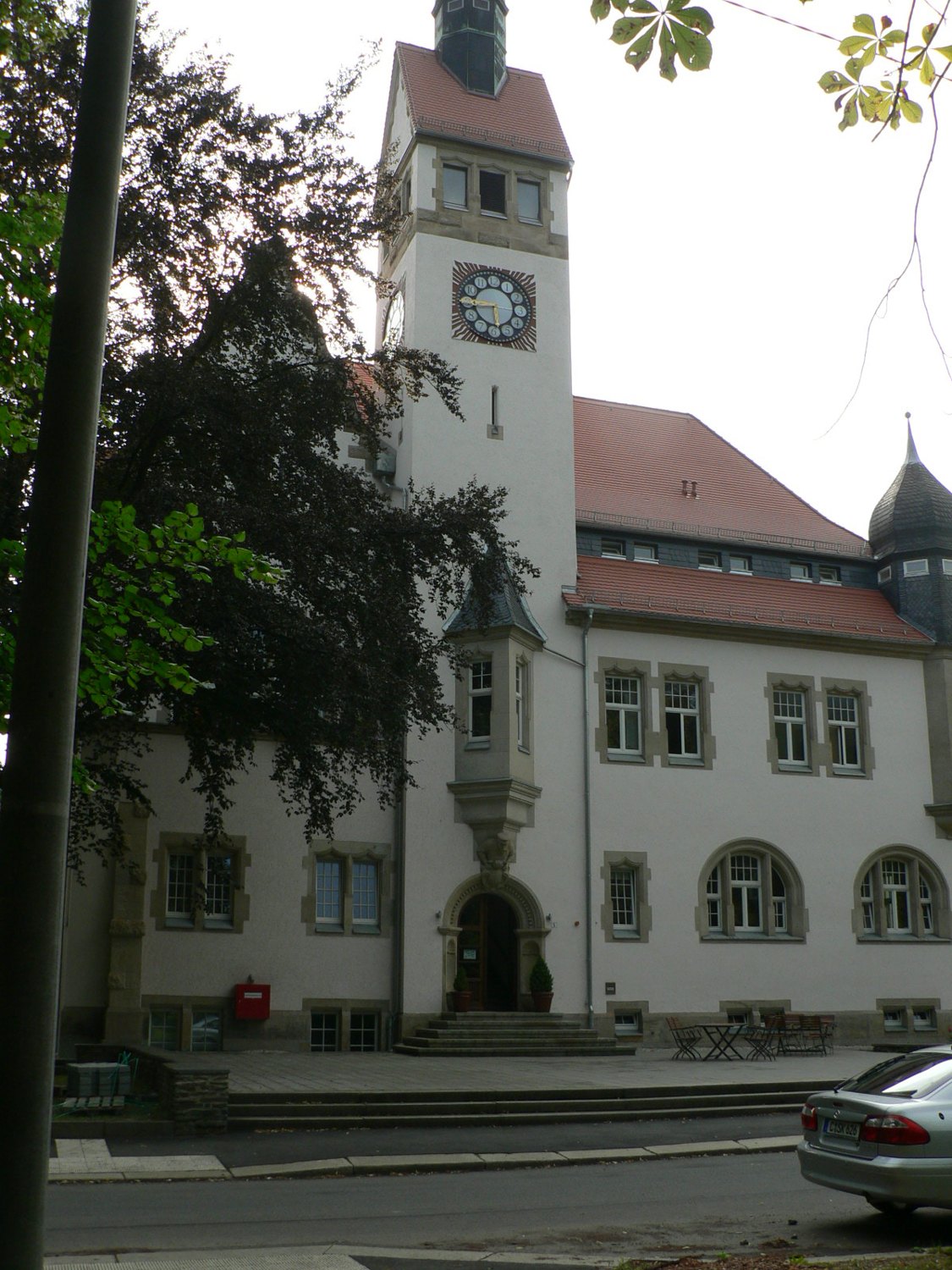
Use the pond as a reference point, then look beyond it to the surrounding residential district.
Explore the city
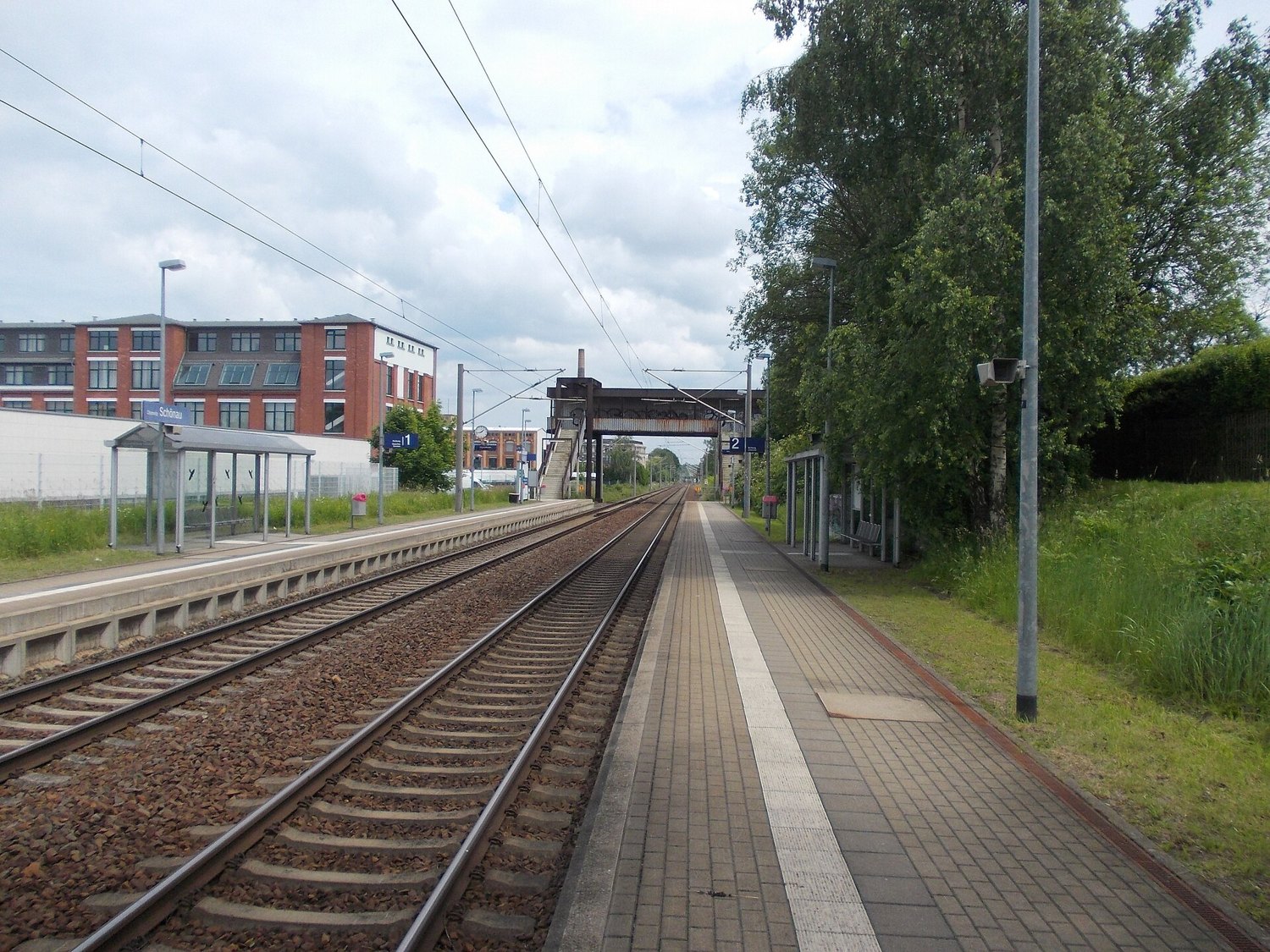
A focused detour to Siegmar can reveal the separate centres and industrial development of western Chemnitz.
Explore the city
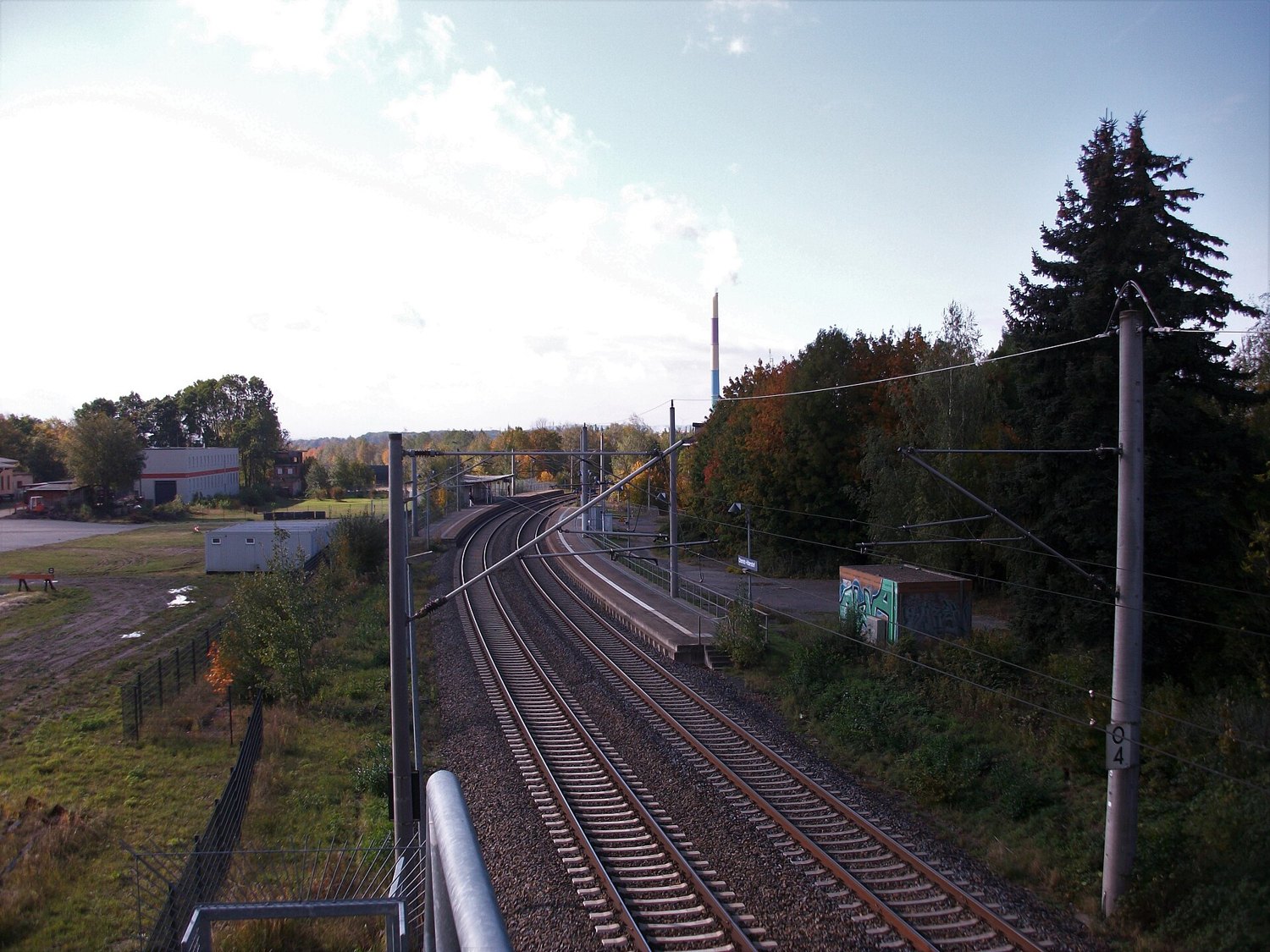
Plan around real crossings and connections when exploring Schönau’s mix of transport routes and residential streets.
Explore the city
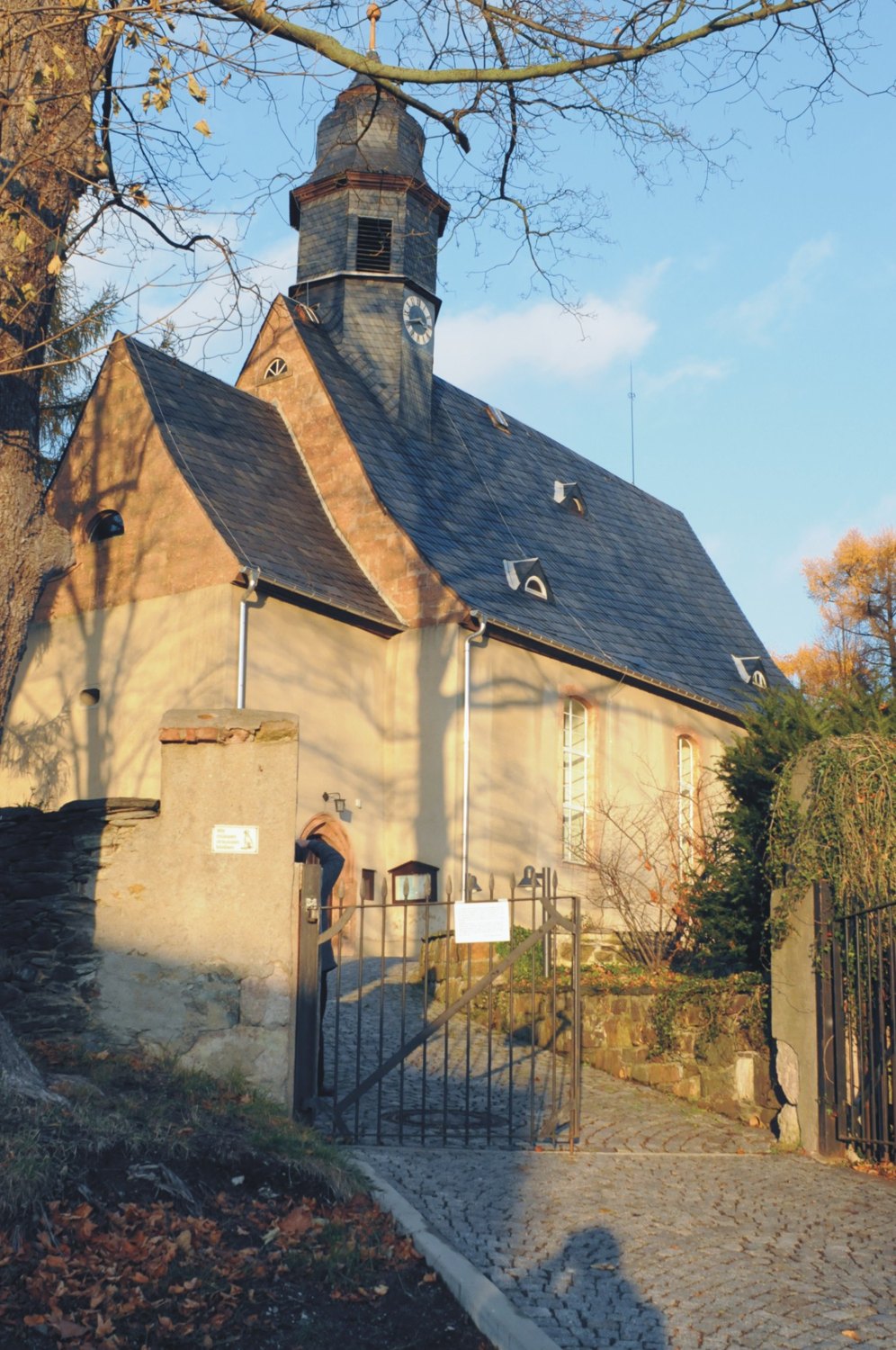
Distinguish the residential district from the historic railway site when planning a visit to Hilbersdorf.
Explore the city
Adelsberg offers a change from dense city streets to gardens and more open surroundings.
Explore the city
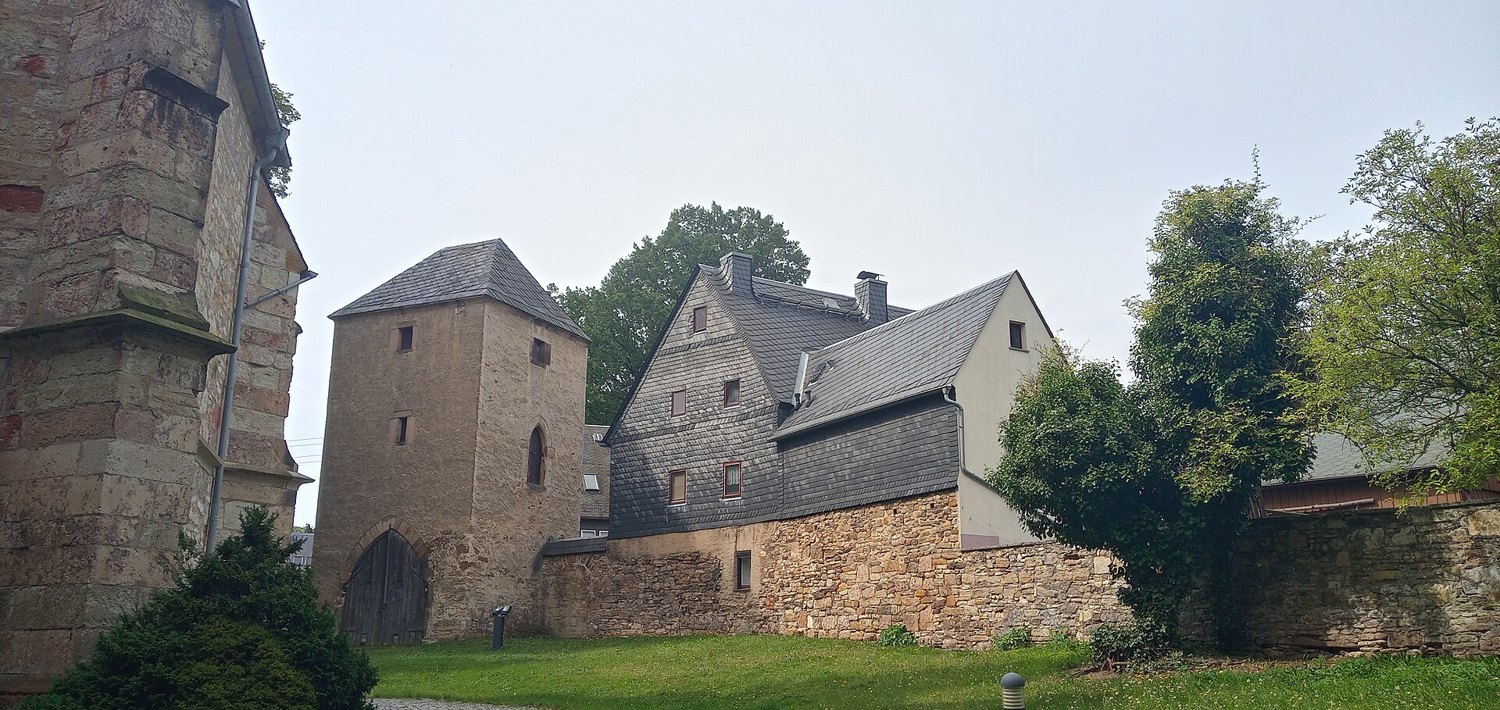
Let the collegiate church anchor an Ebersdorf visit, while looking at the relationship between its buildings and the surrounding settlement.
Explore the city
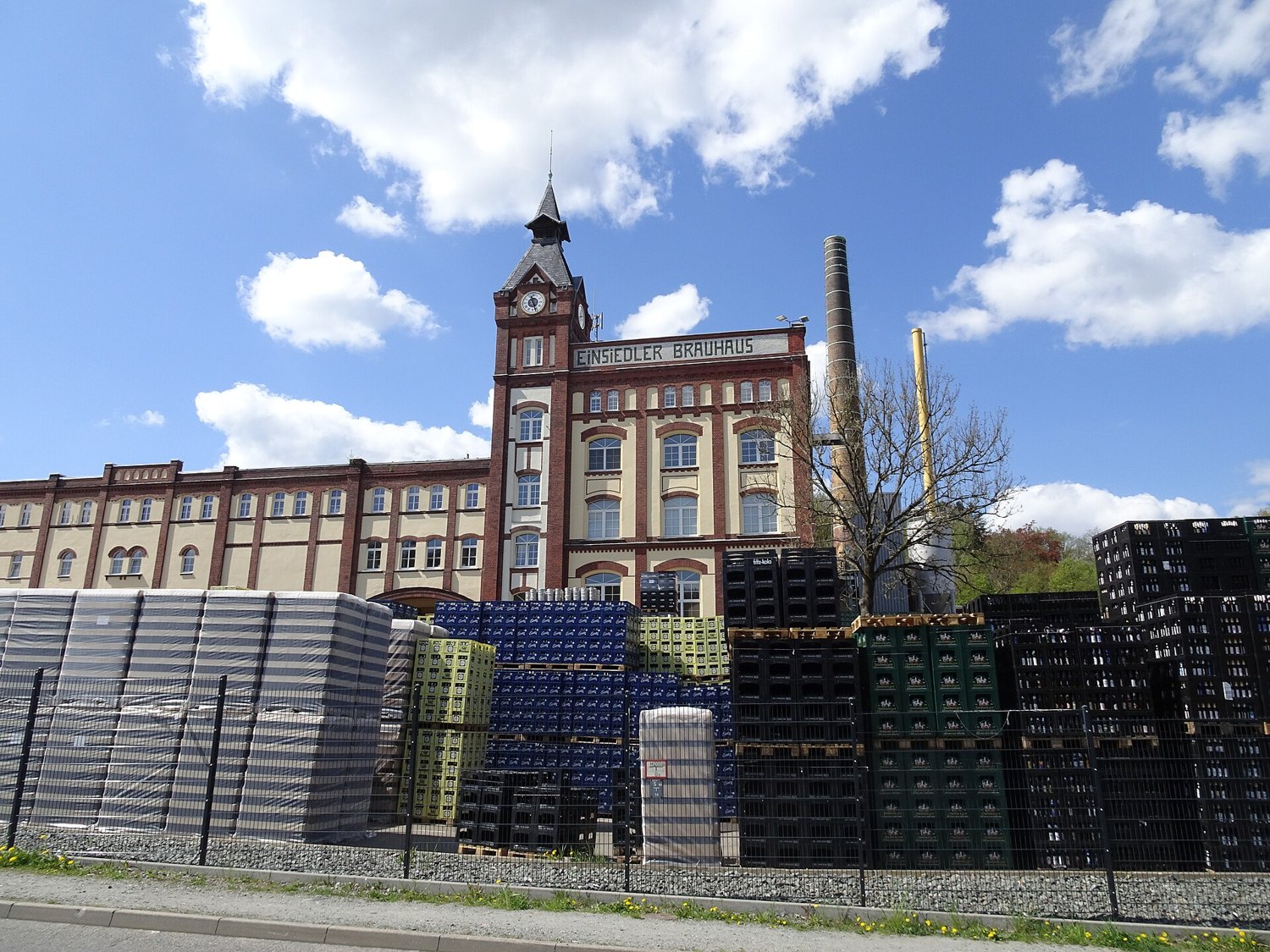
Build an Einsiedel visit around the settlement first, then choose any outdoor extension deliberately.
Explore the city
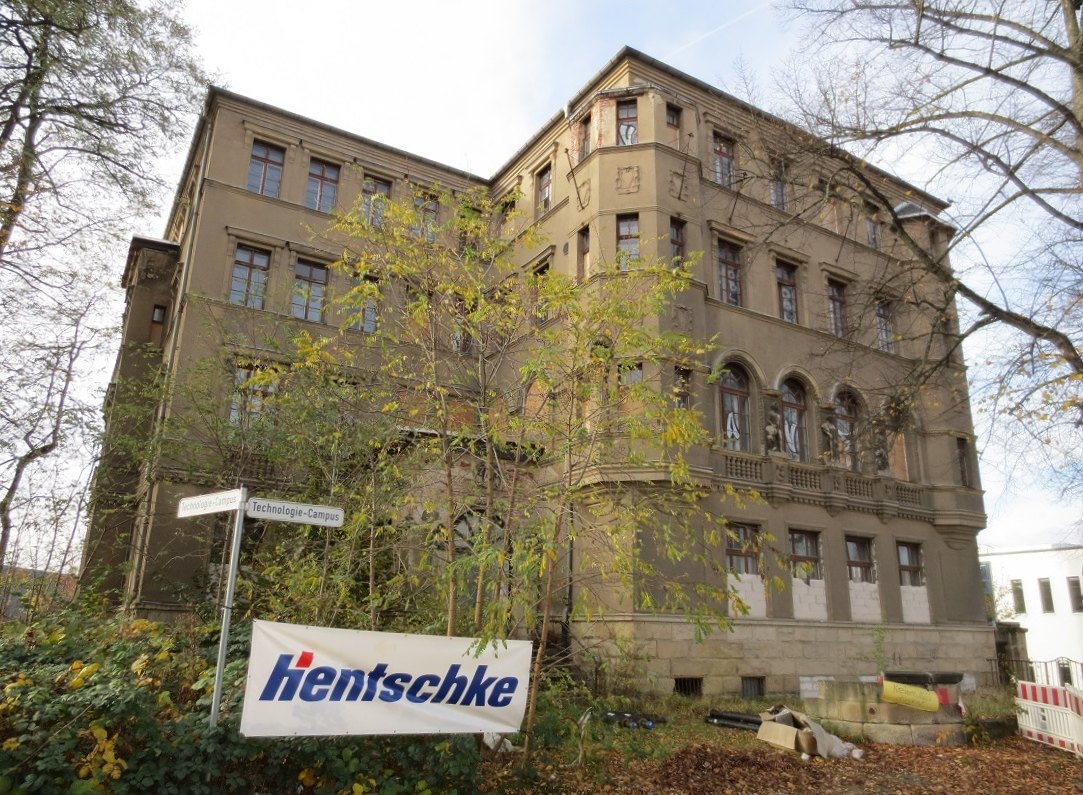
Use the Reichenhainer Straße campus and neighbouring residential streets to explore Bernsdorf.
Explore the city
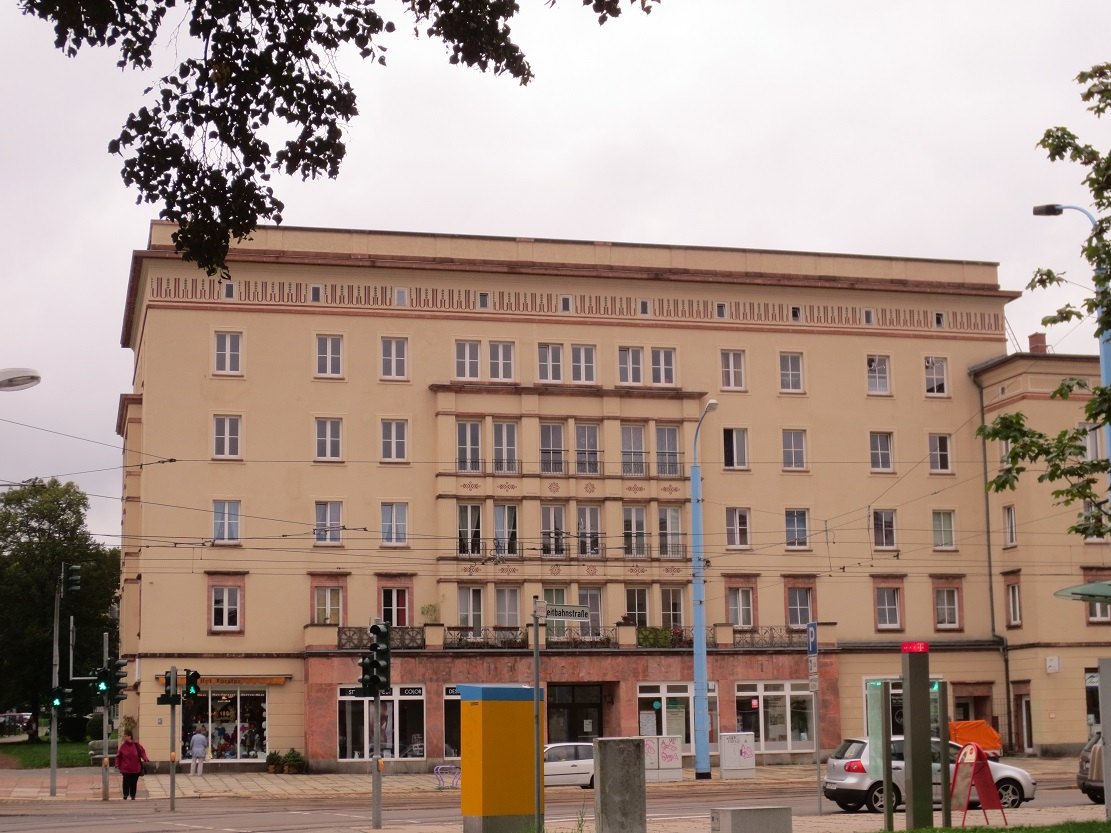
The Reitbahnviertel offers a compact look at post-war rebuilding and housing immediately south of the centre.
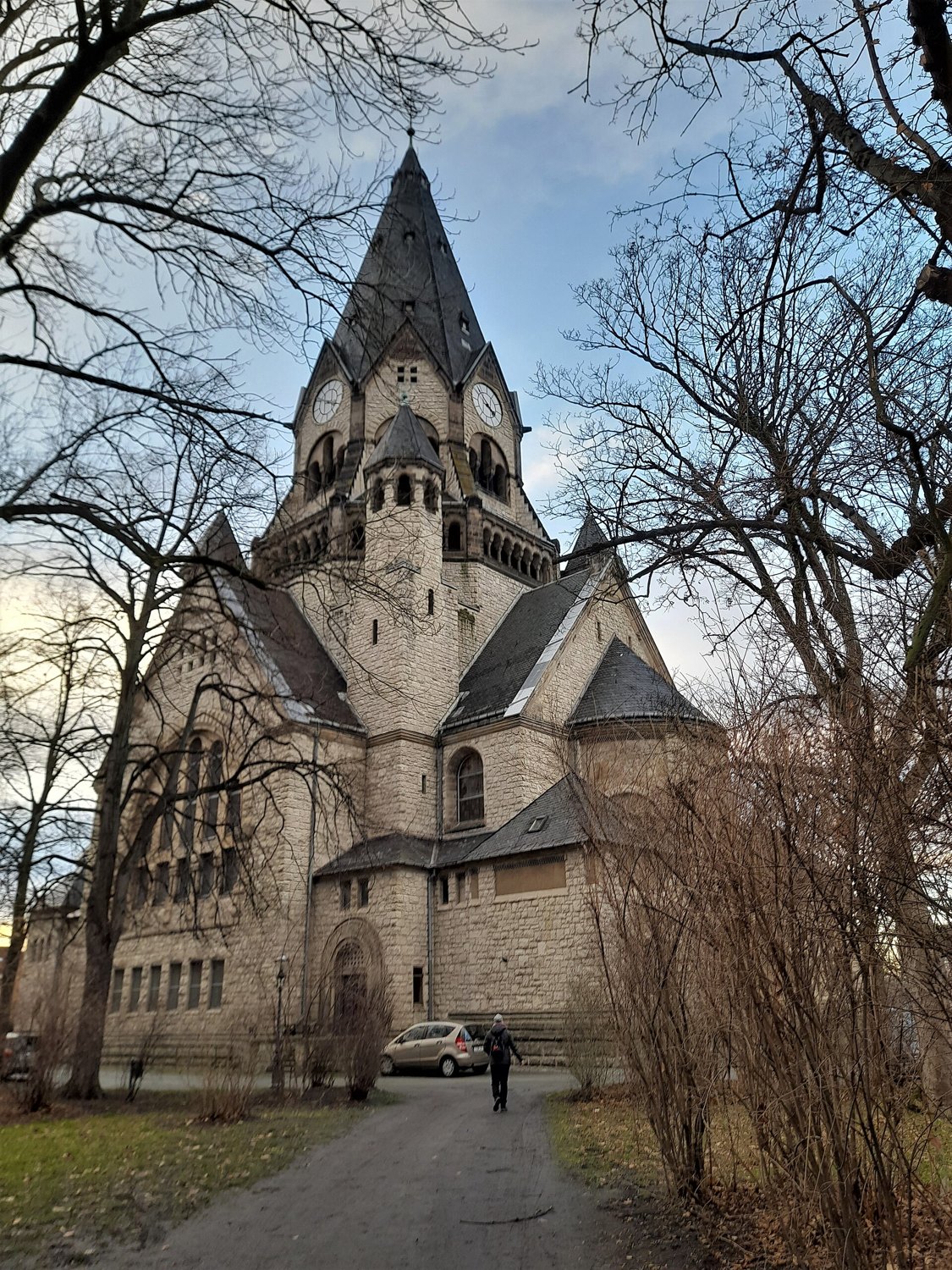
Explore the city
Combine an exterior look at Lutherkirche with a compact circuit of the surrounding residential streets.
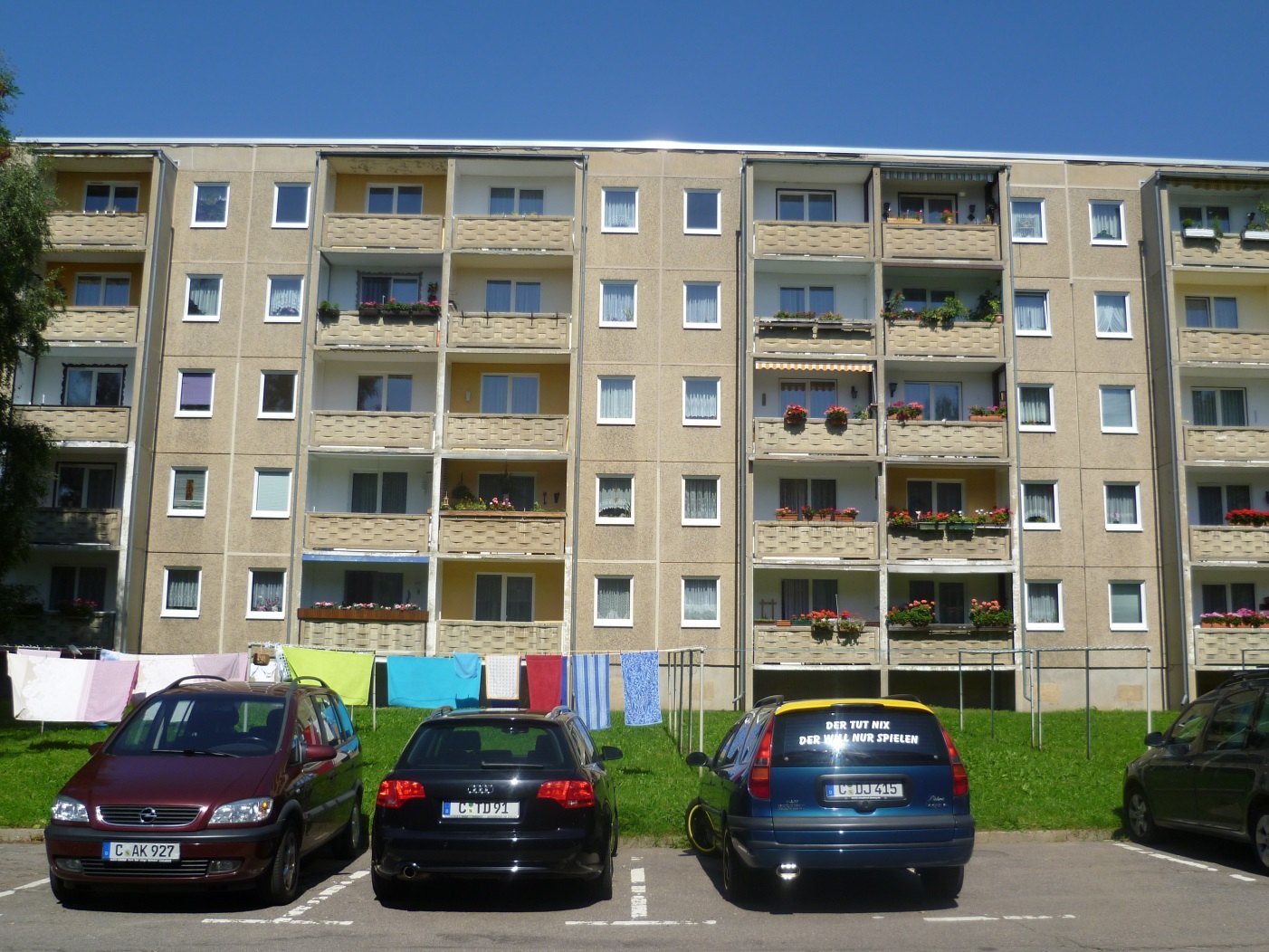
Explore the city
Explore Yorckgebiet through its housing layout, green spaces and neighbourhood meeting points.
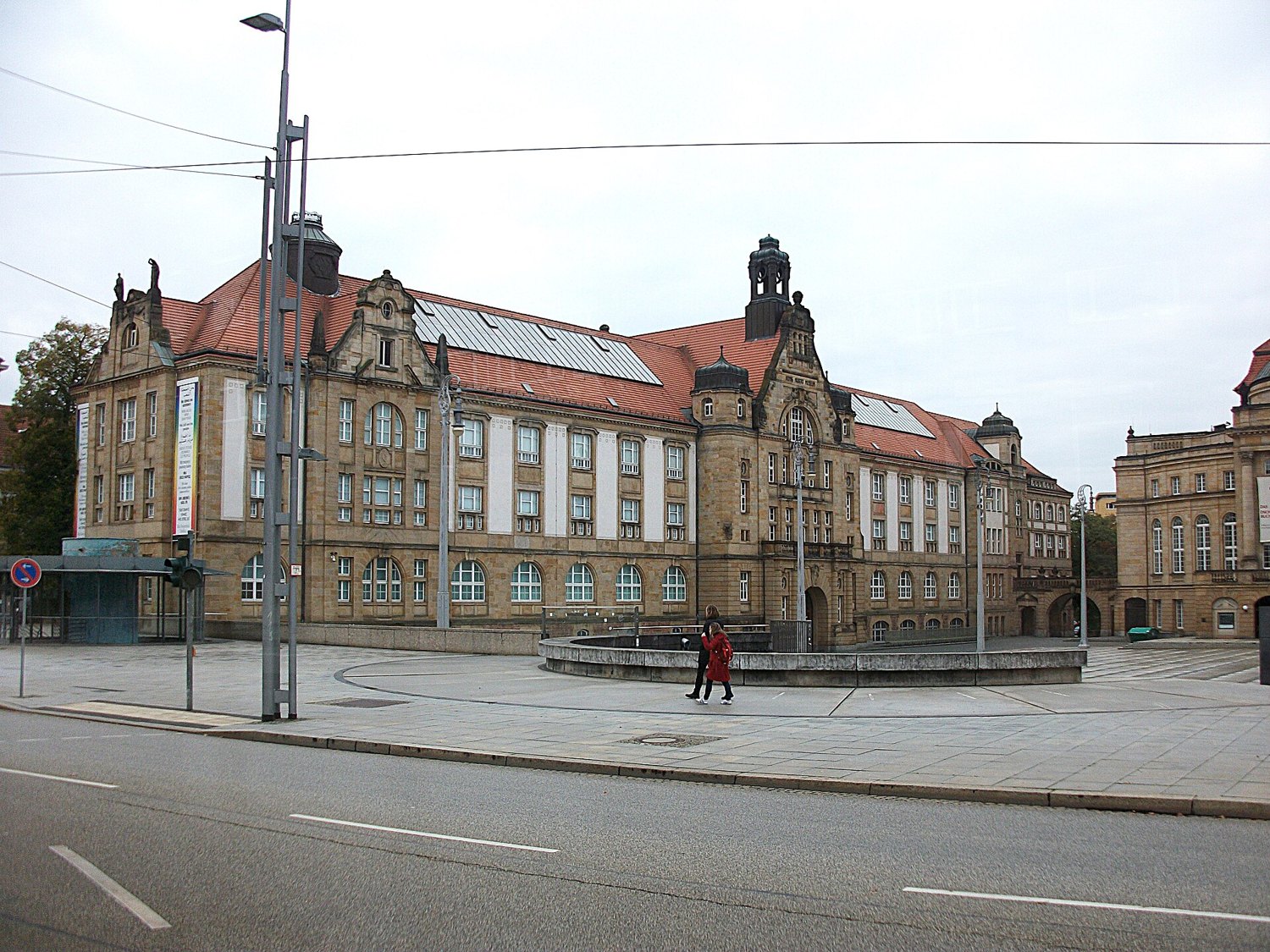
Culture & history
Plan a visit at Theaterplatz around the art you want to spend time with, rather than a checklist of rooms.
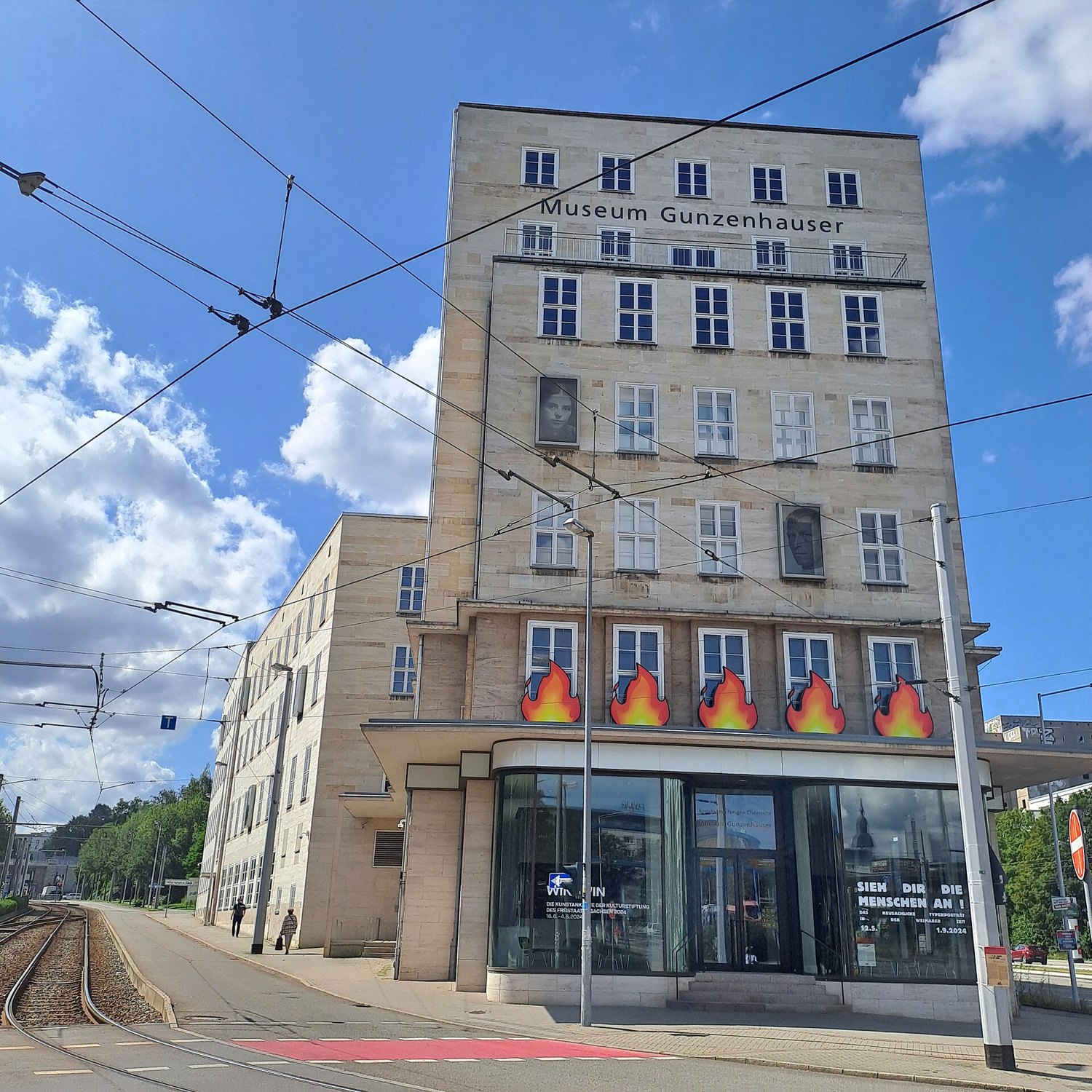
Culture & history
Twentieth-century art from a collector’s perspective, shown in a former bank building at Falkeplatz.
Culture & history
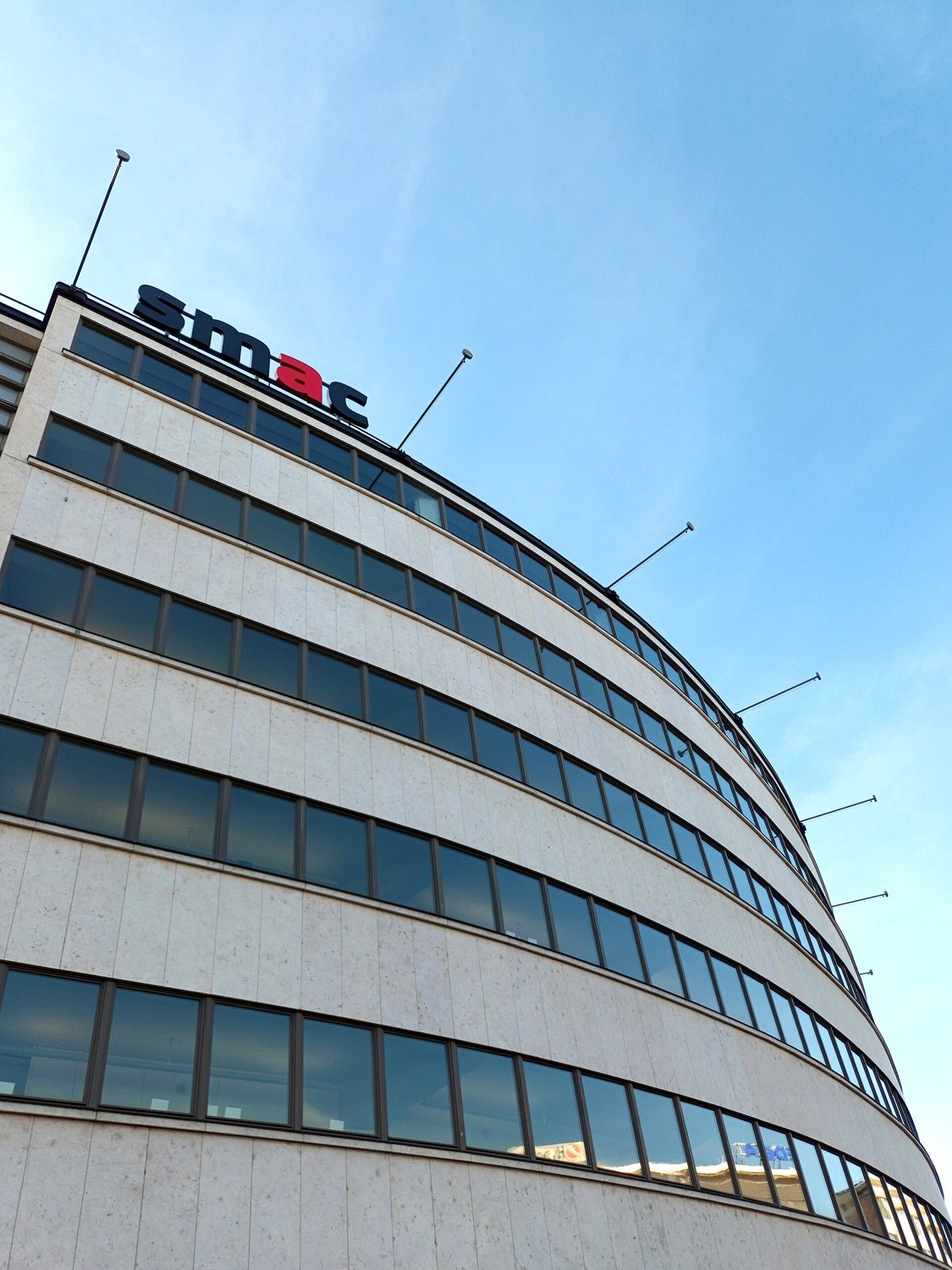
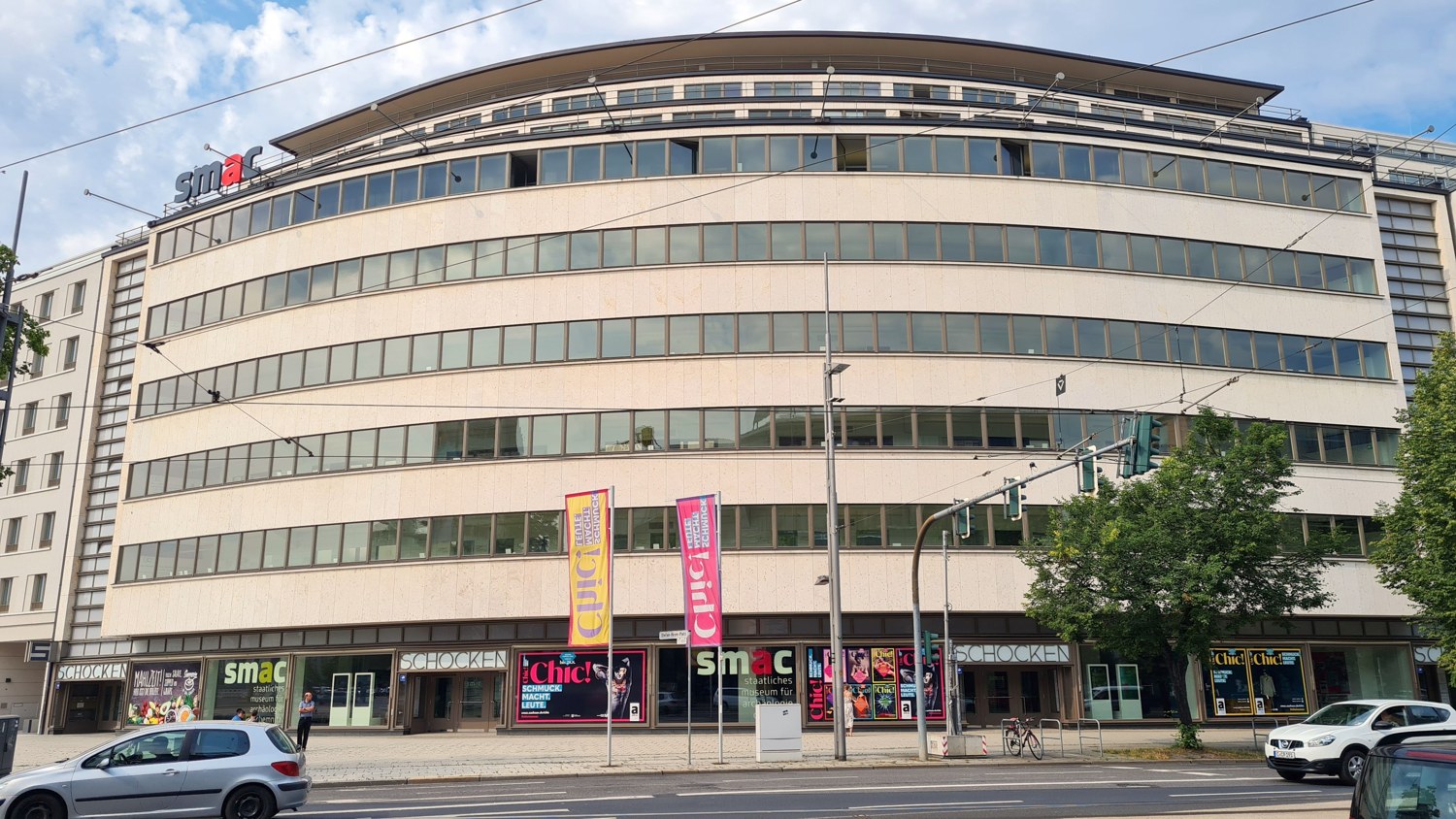
Saxon archaeology inside the former Schocken department store, with time for objects as well as the building.
Culture & history
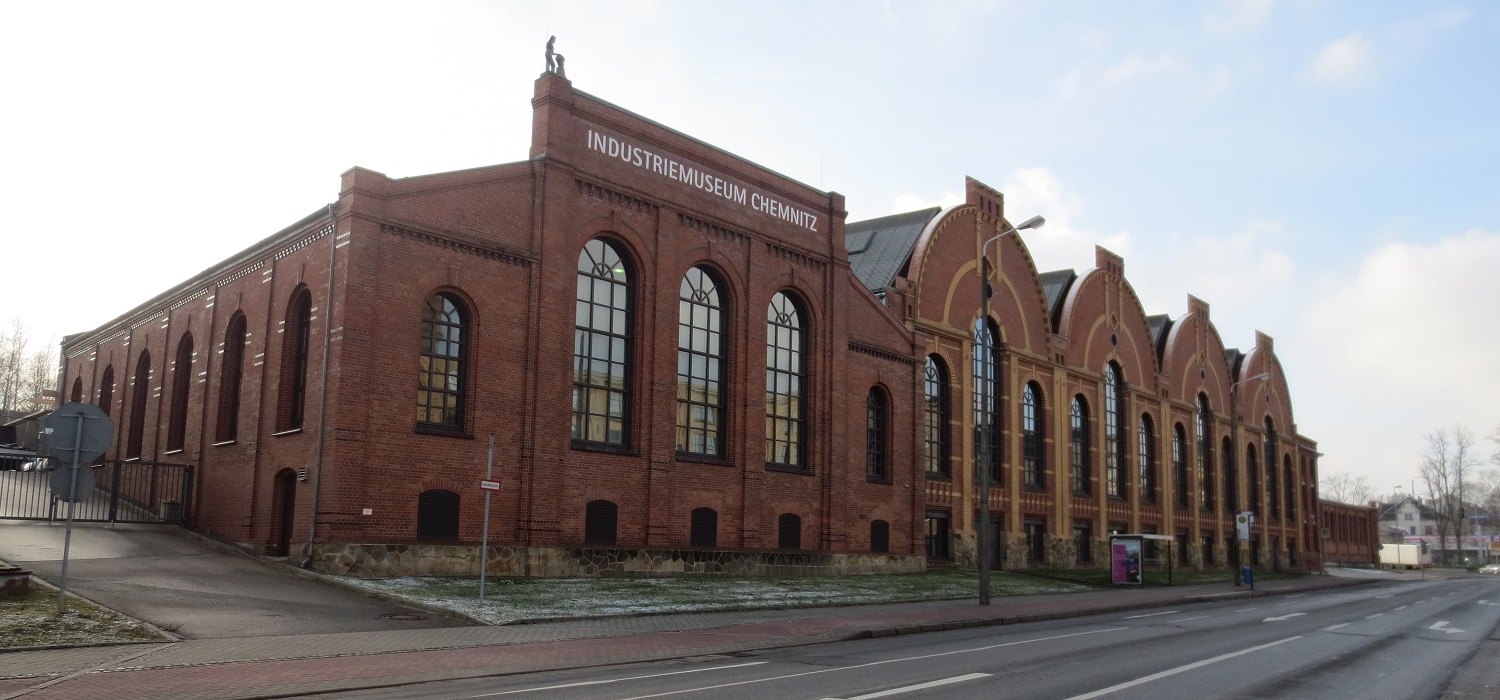
Connect machines with materials, finished products and the people whose work kept production moving.
Culture & history
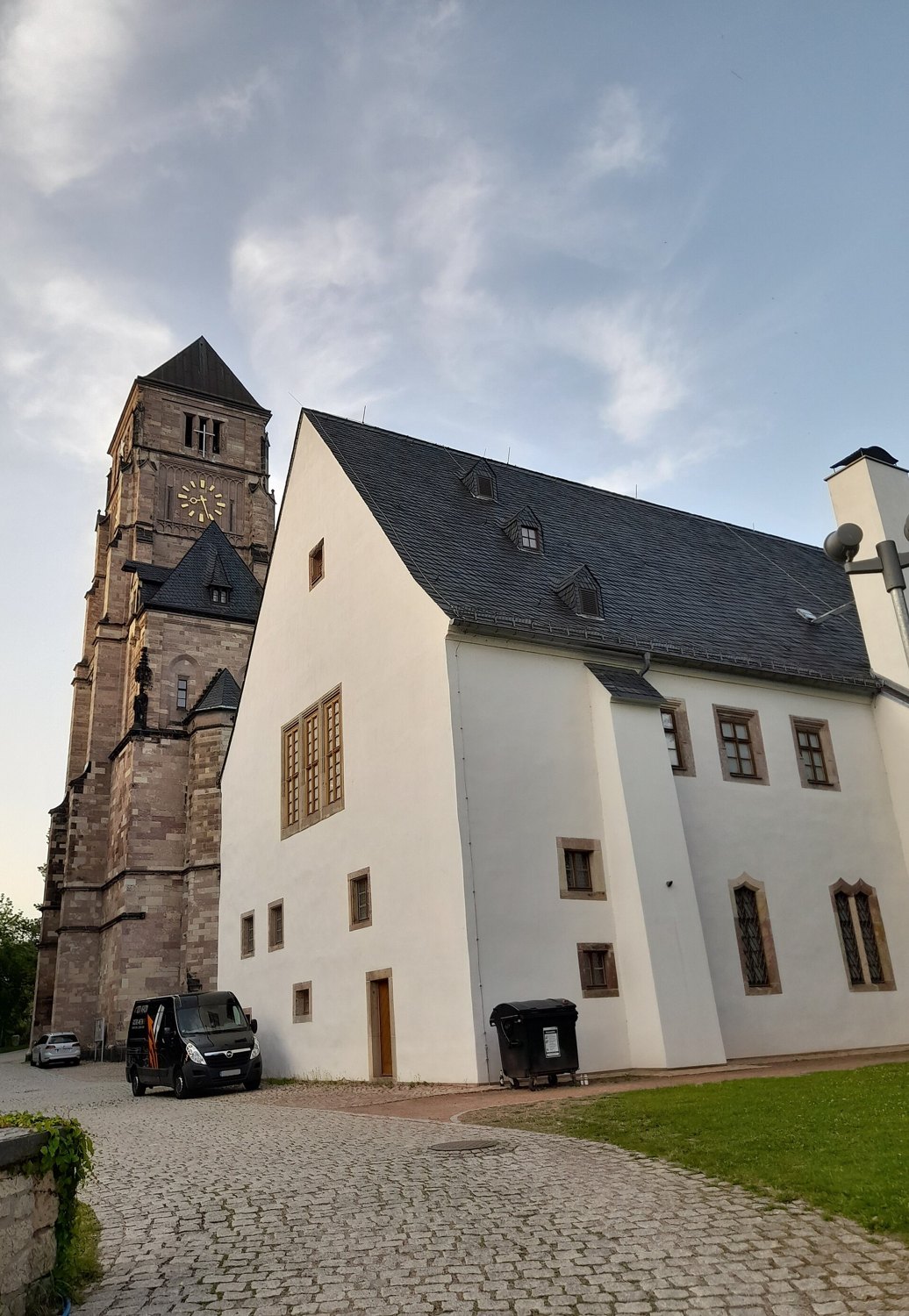
City history, historic rooms and individual objects provide several ways into a visit to Schloßbergmuseum.
Culture & history
Choose a theme to guide your visit through fossils, living animals and changing exhibitions at the natural history museum.
Culture & history
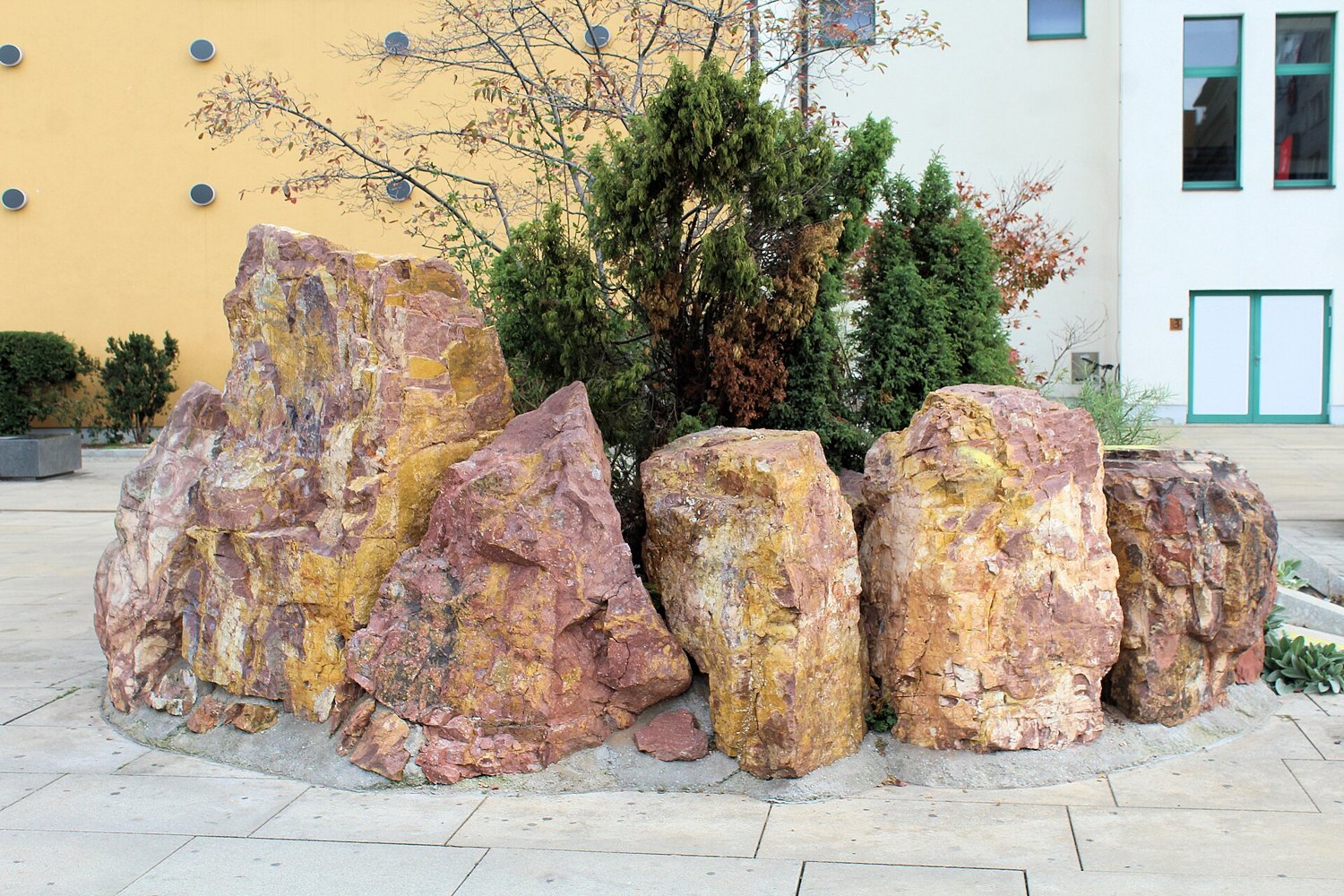
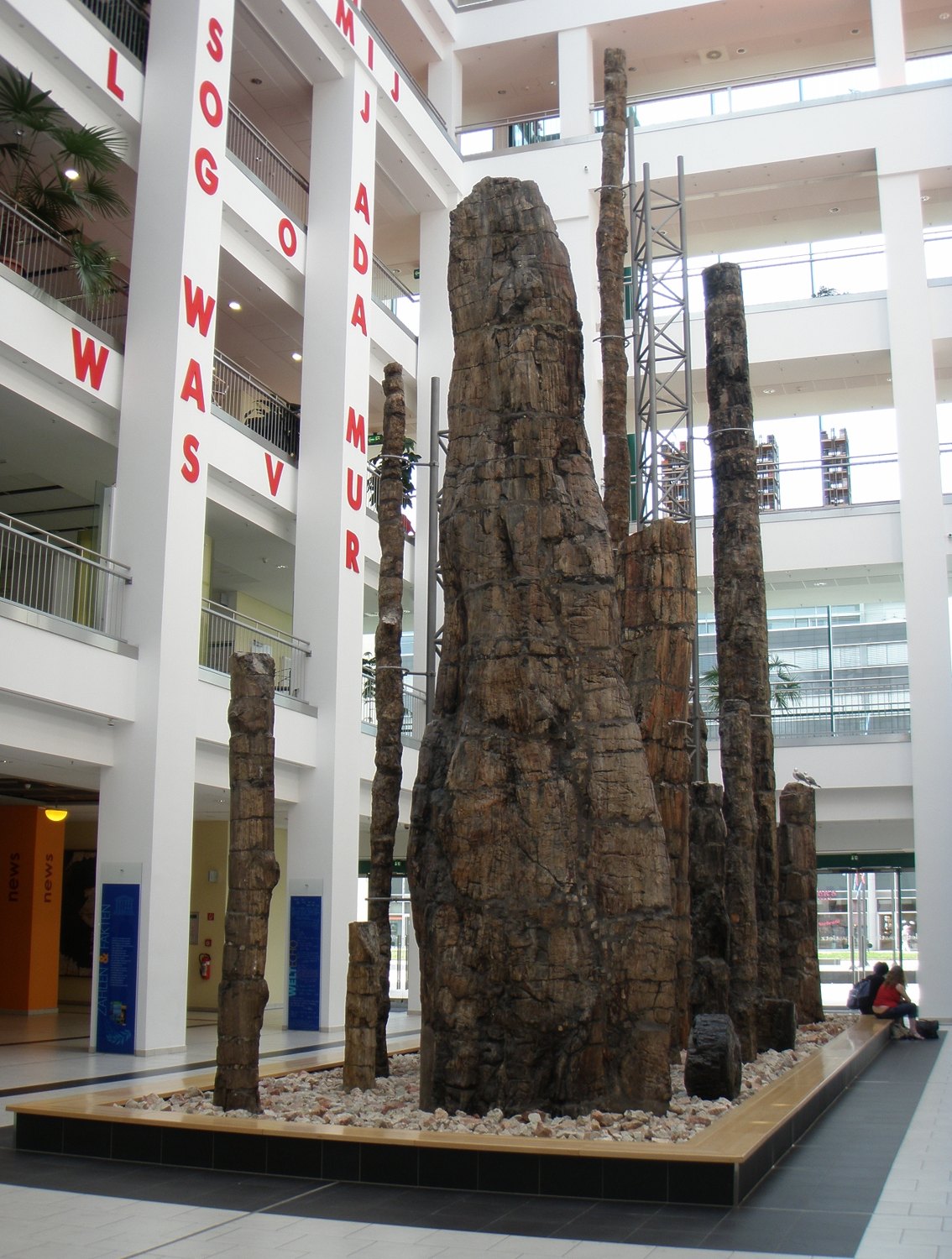
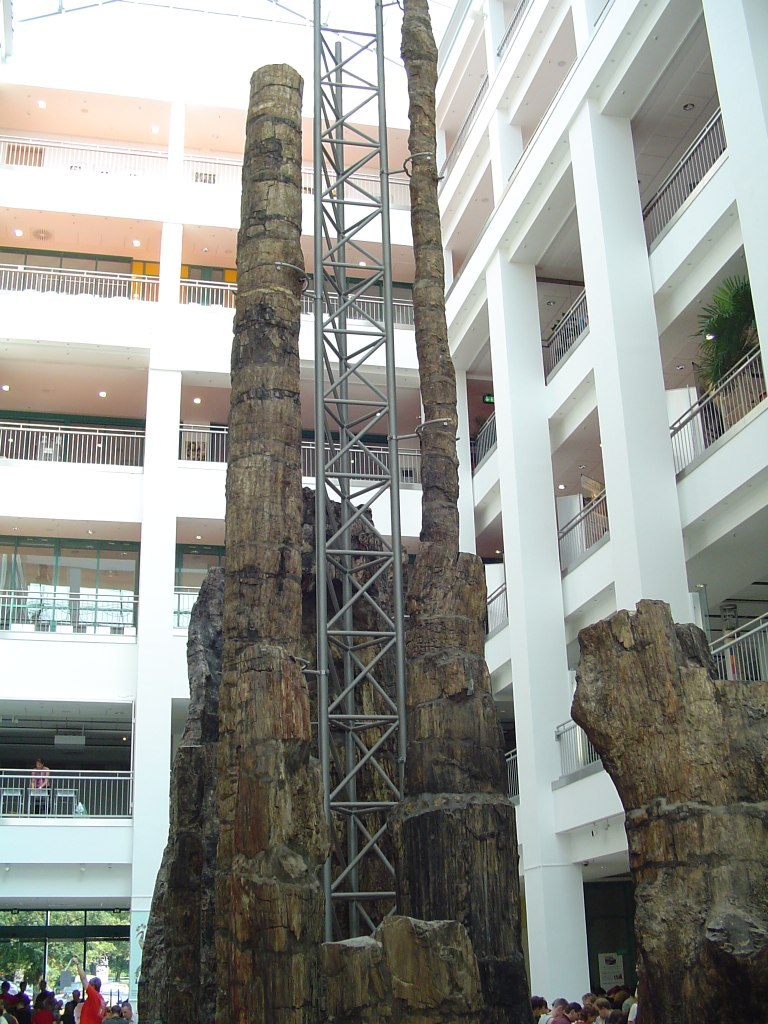
The fossil trunks in TIETZ open a view onto a landscape far older than the city above it.
Culture & history
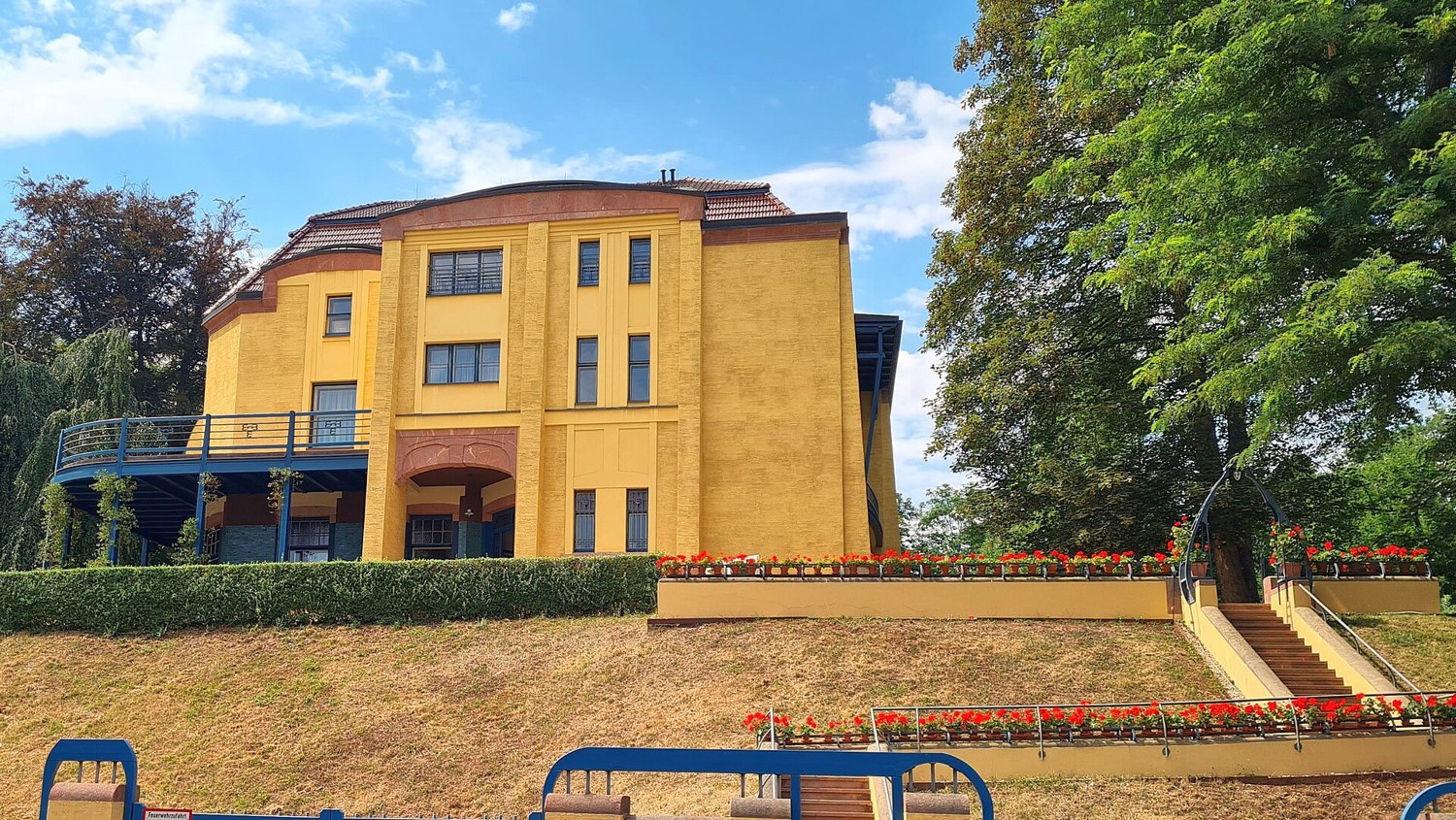
The relationship between architecture, rooms and objects is the reason to give Villa Esche an unhurried visit.
Culture & history
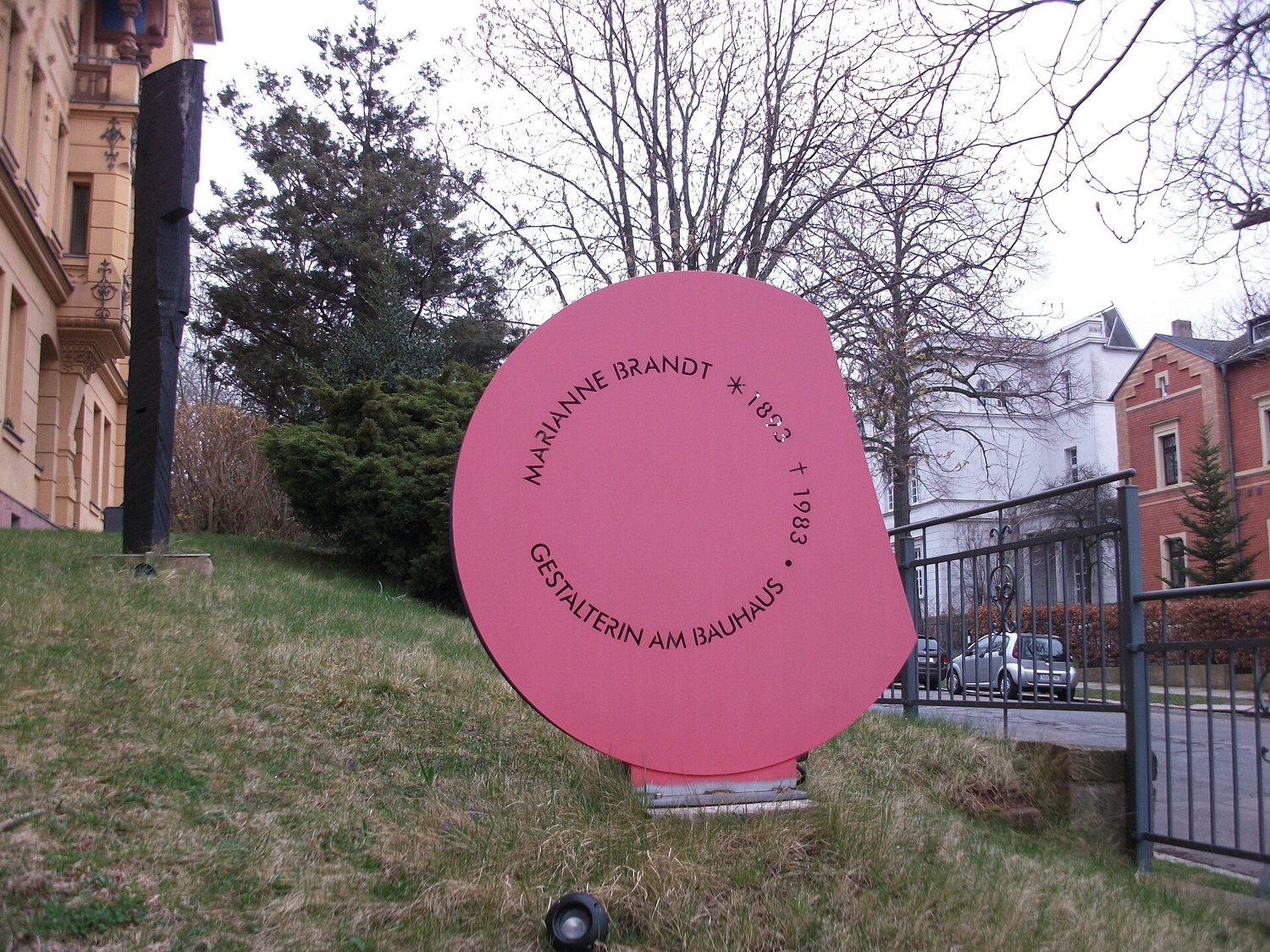
Marianne Brandt House adds a focus on design history to a walk through Kaßberg.
Culture & history
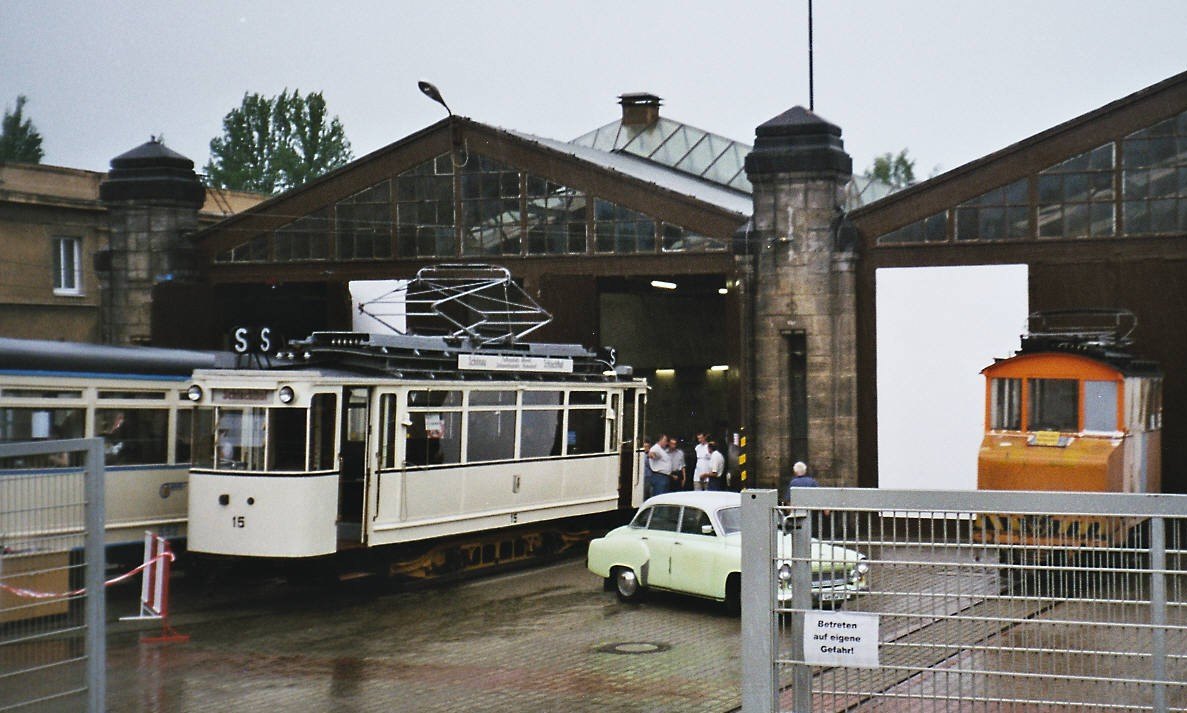
At the tram museum, the historic depot is part of the subject. Plan a museum visit and any special ride separately.
Culture & history
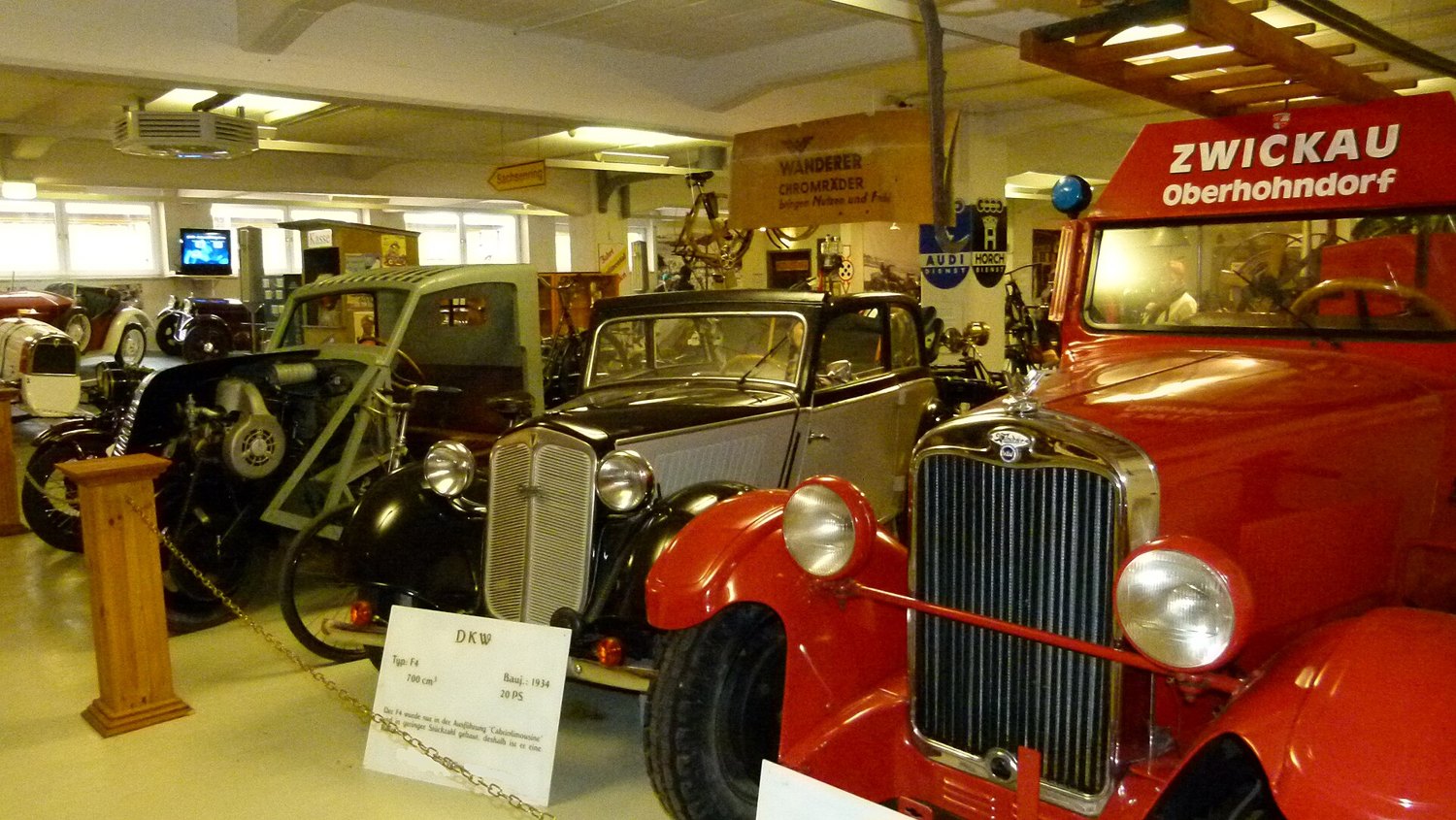
The Stern-Garagen building is part of the vehicle museum’s story. You do not need to know engine types to enjoy the collection.
Culture & history
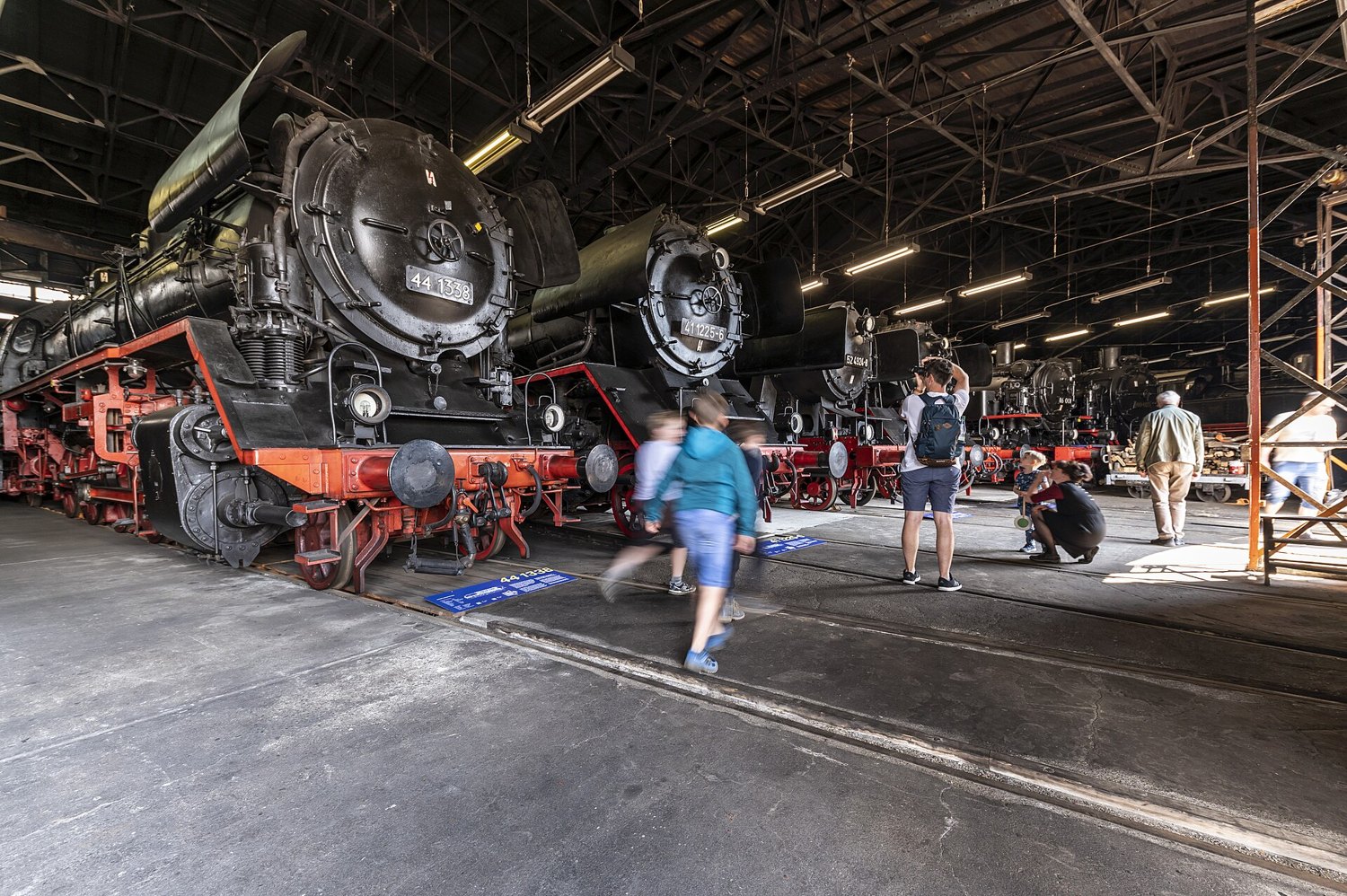
Hilbersdorf combines railway vehicles with the infrastructure that kept them working. Distances and operating processes matter as much as the engines.
Culture & history
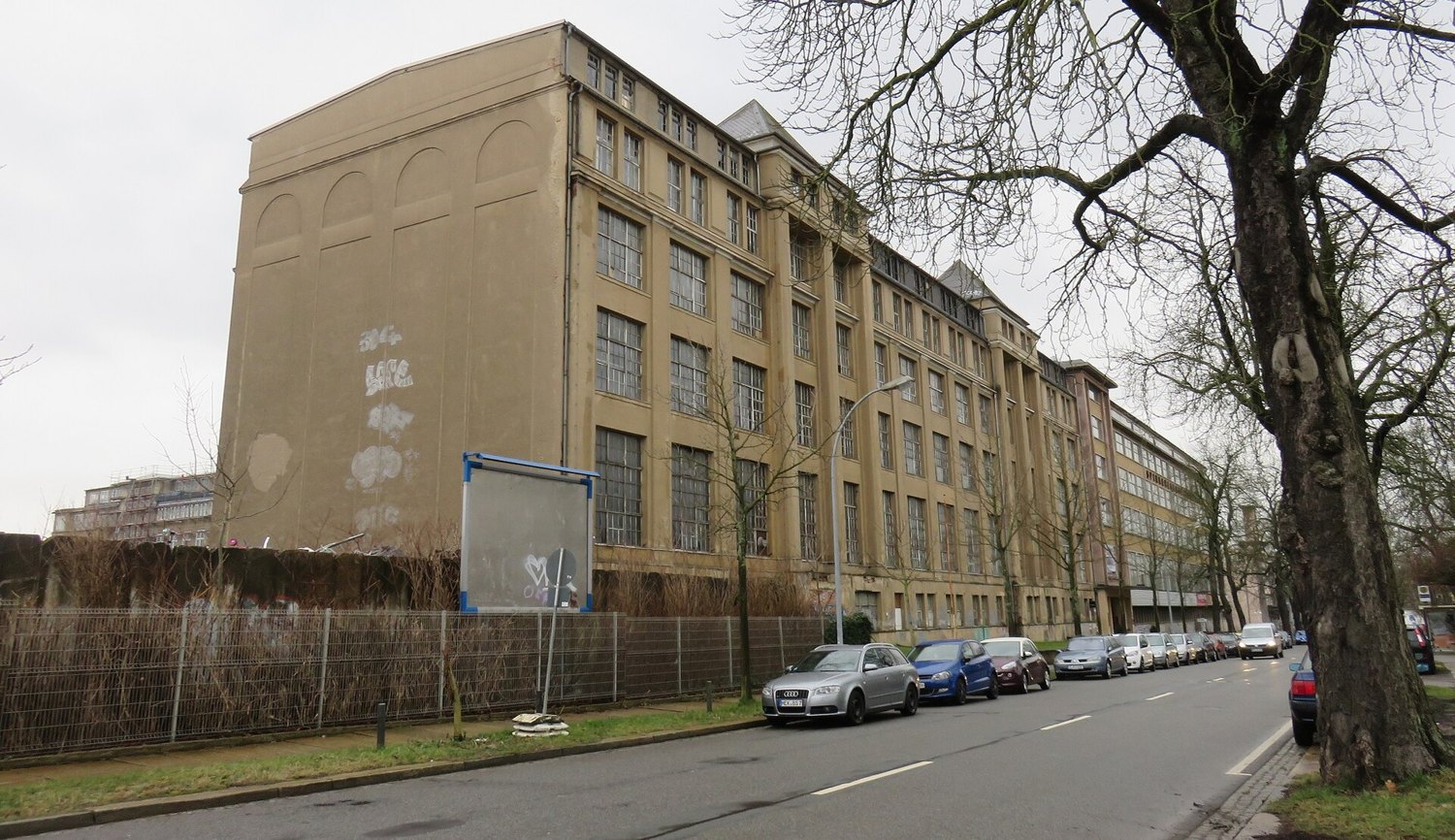
Spinnbau puts drama and puppet theatre inside a former industrial complex. The specific stage on your ticket matters as much as the show title.
Culture & history
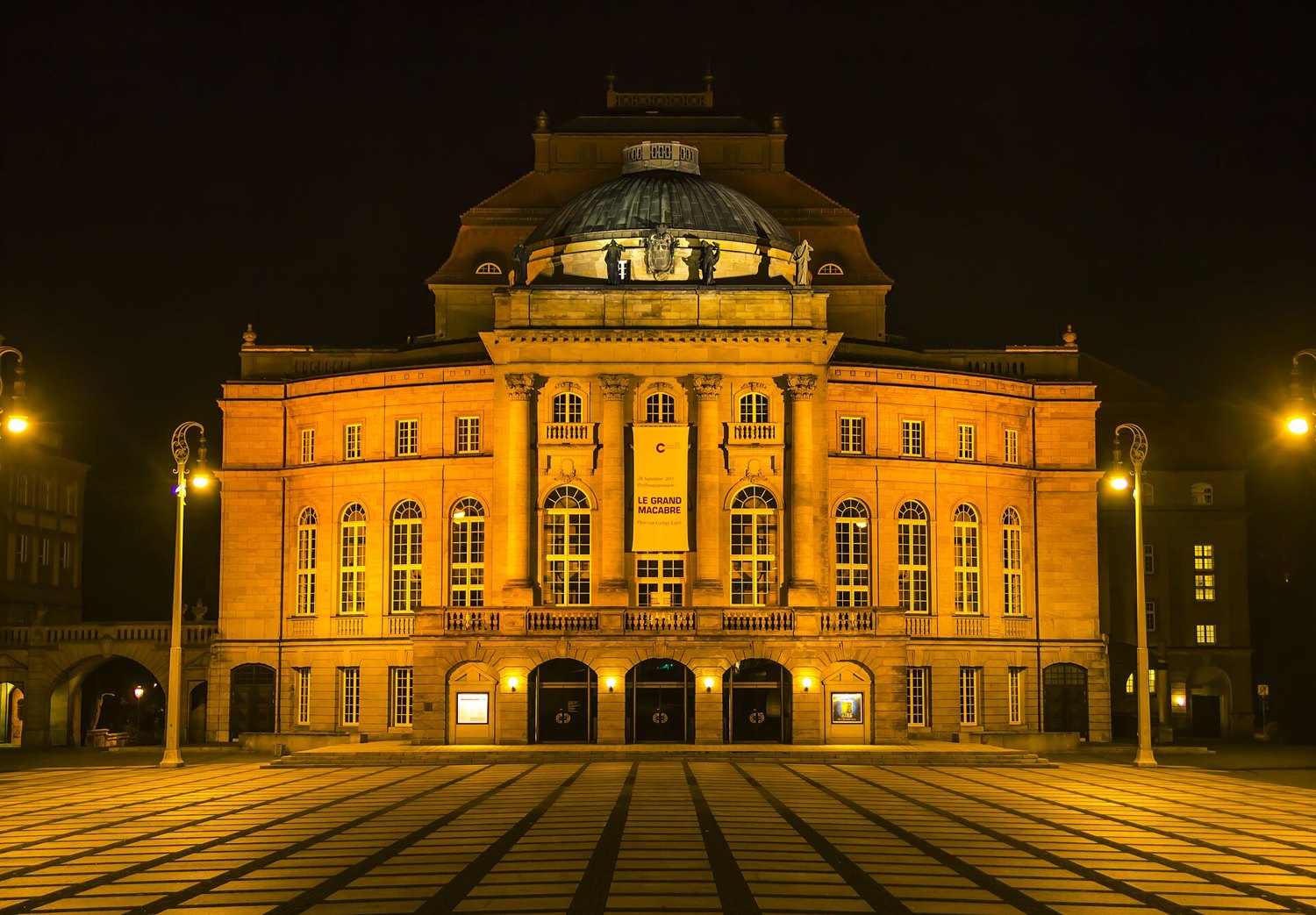
Choose the production, language support and seat before organising the rest of your opera evening. Theaterplatz provides the setting; the event listing provides the details.
Culture & history
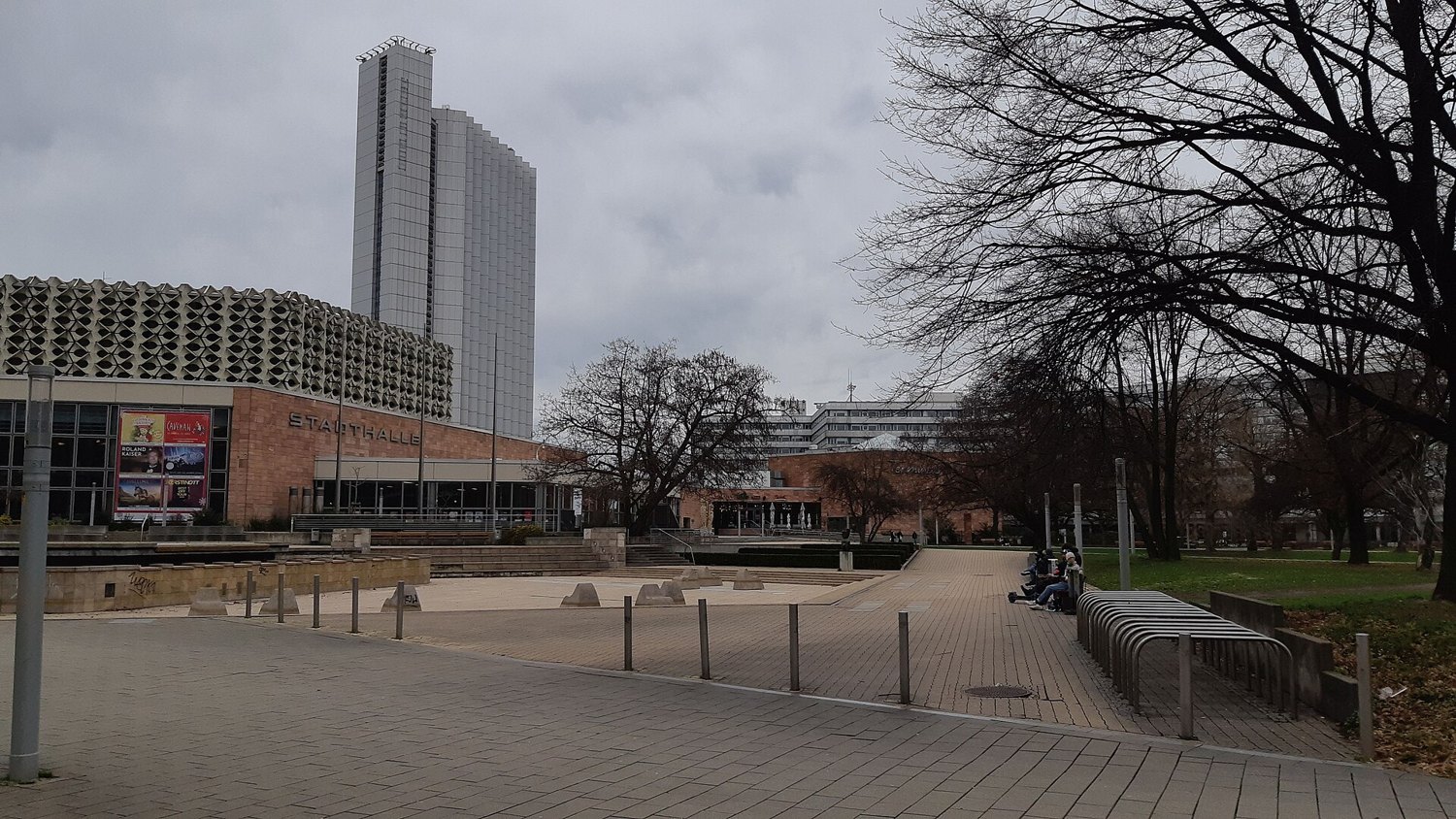
At Stadthalle Chemnitz, the individual event determines the seating and arrival arrangements. Check the hall, admission time and ticket details before planning the evening.
Culture & history
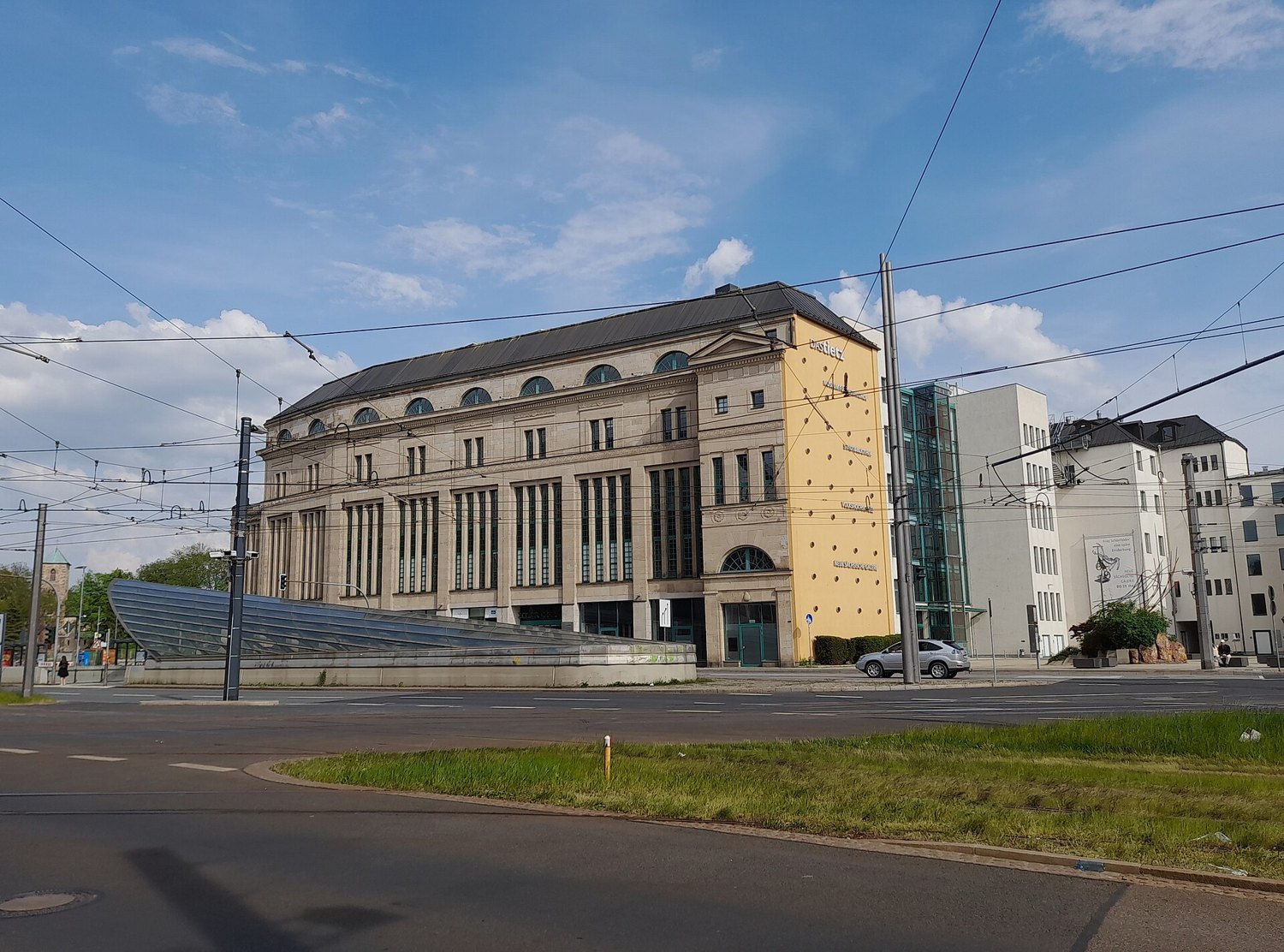
TIETZ brings several cultural institutions together in a former department store. Choose a main destination, then allow time to notice how the building works.
Culture & history
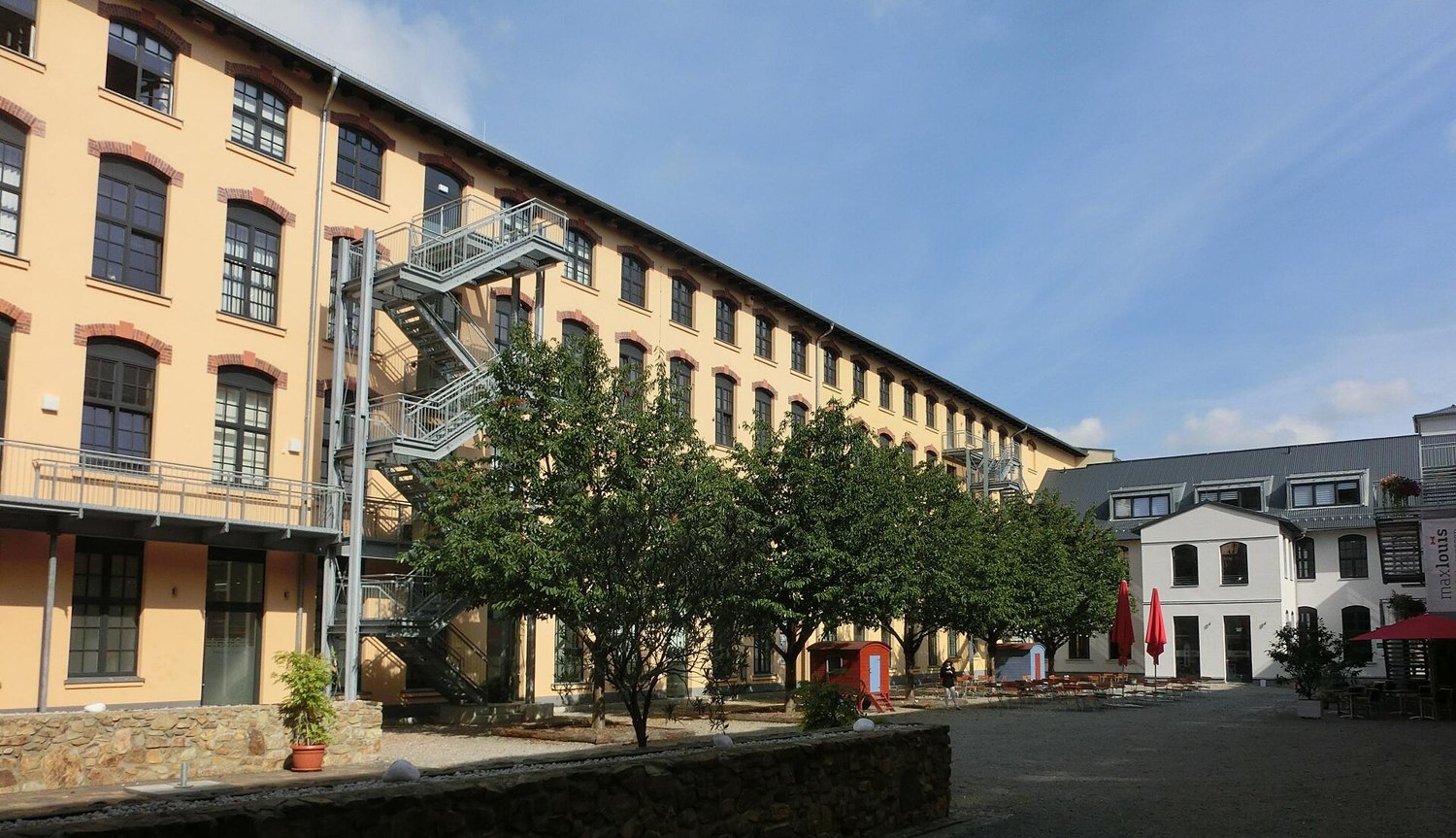
Schönherrfabrik is an industrial complex in continuing use. Choose a public venue or event, then explore what the buildings reveal about their changing purpose.
Culture & history
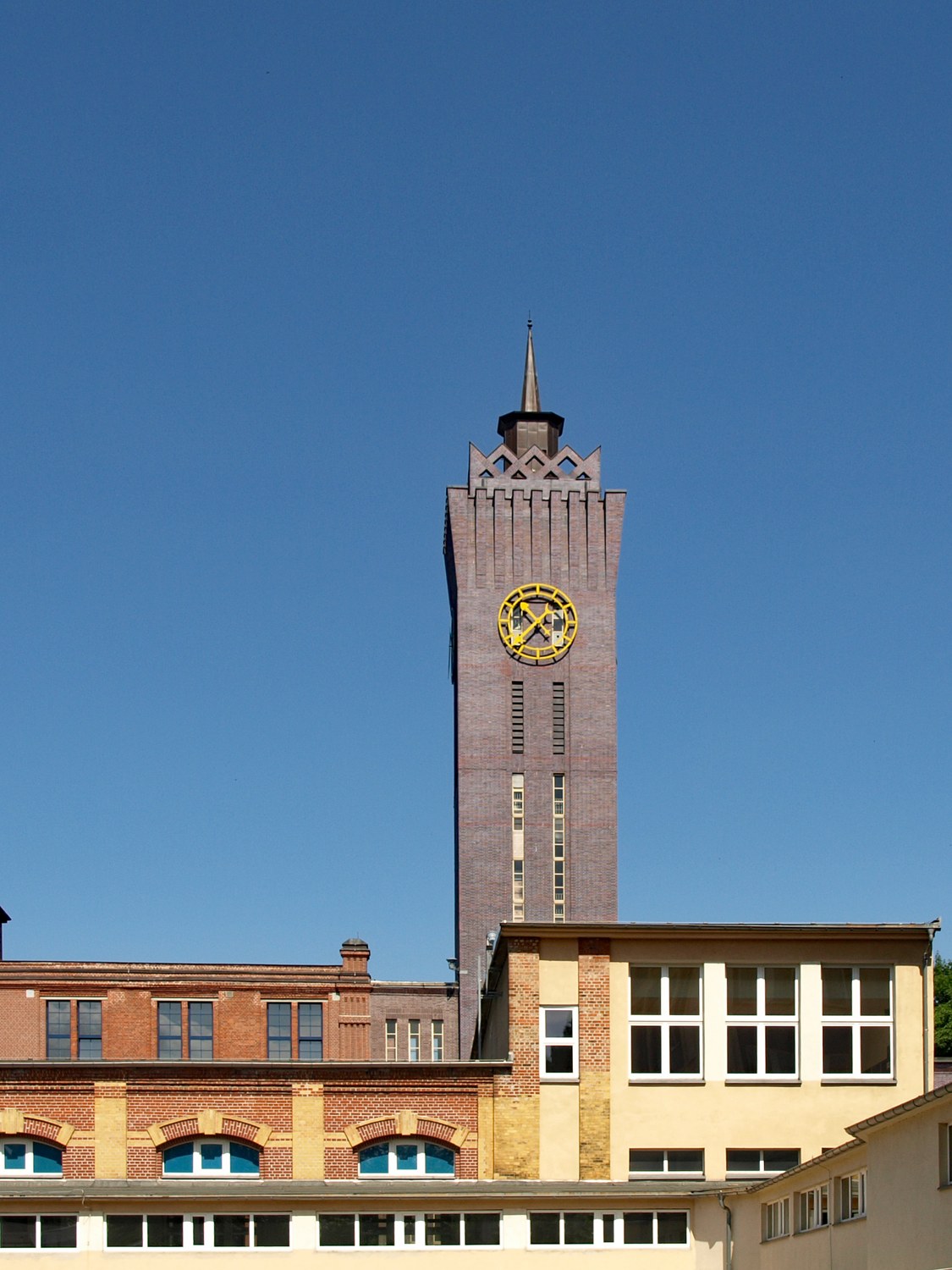
Read the clock tower as part of a factory complex, rather than assuming it is a public observation tower.
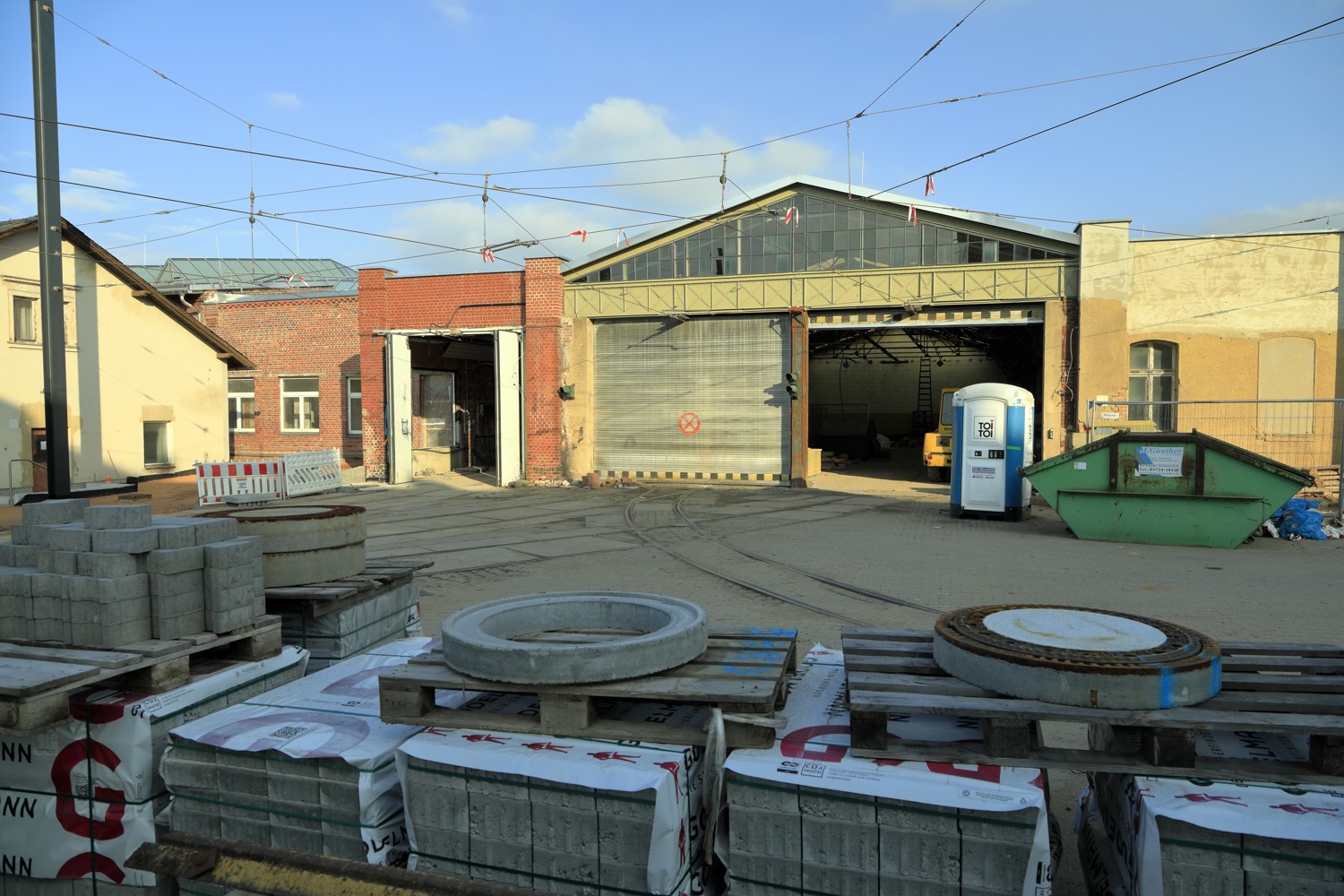
Culture & history
Choose a particular exhibition or event before visiting the former tram depot.
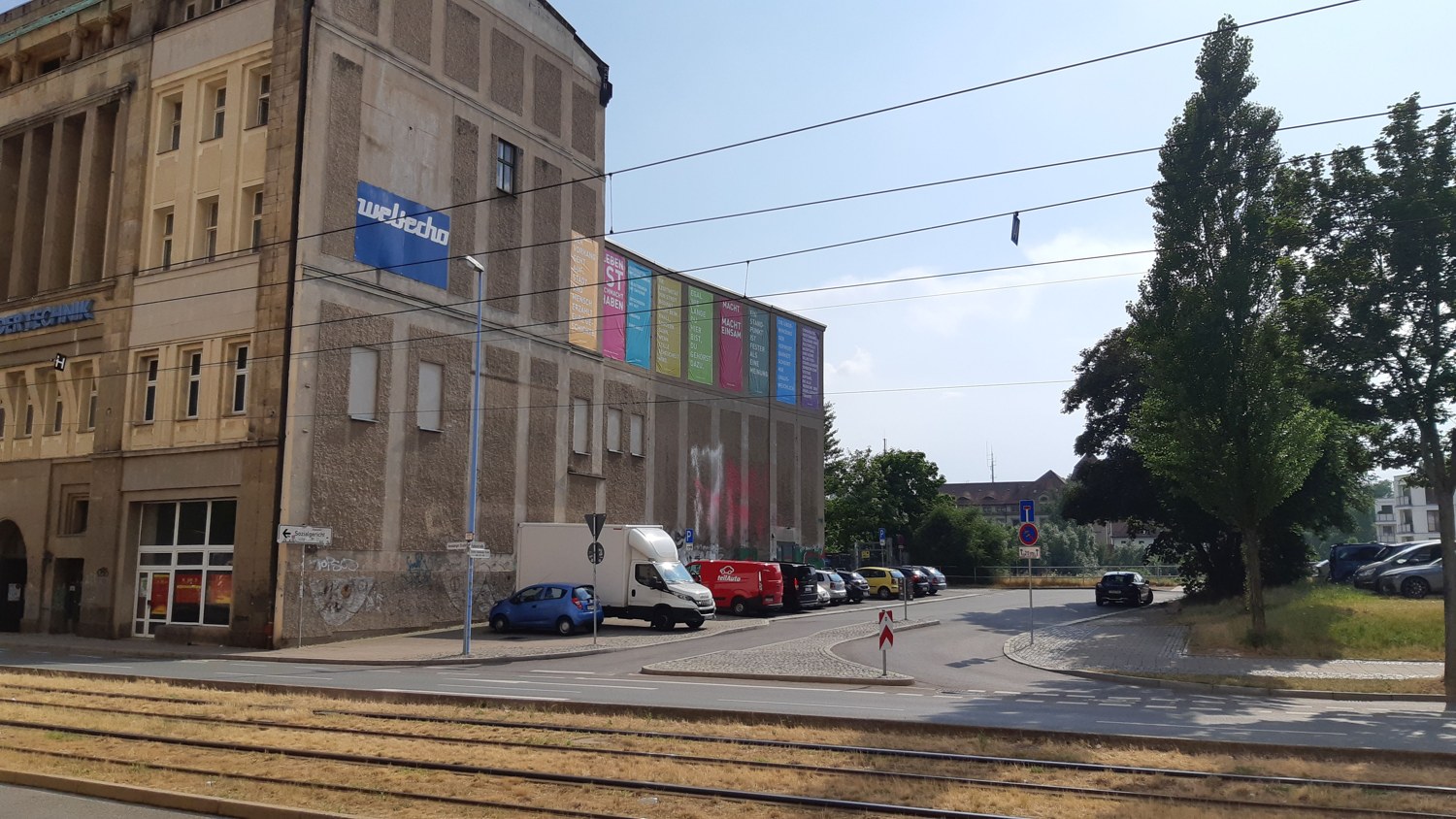
Culture & history
Plan around the individual gallery, film or performance listing at Weltecho.
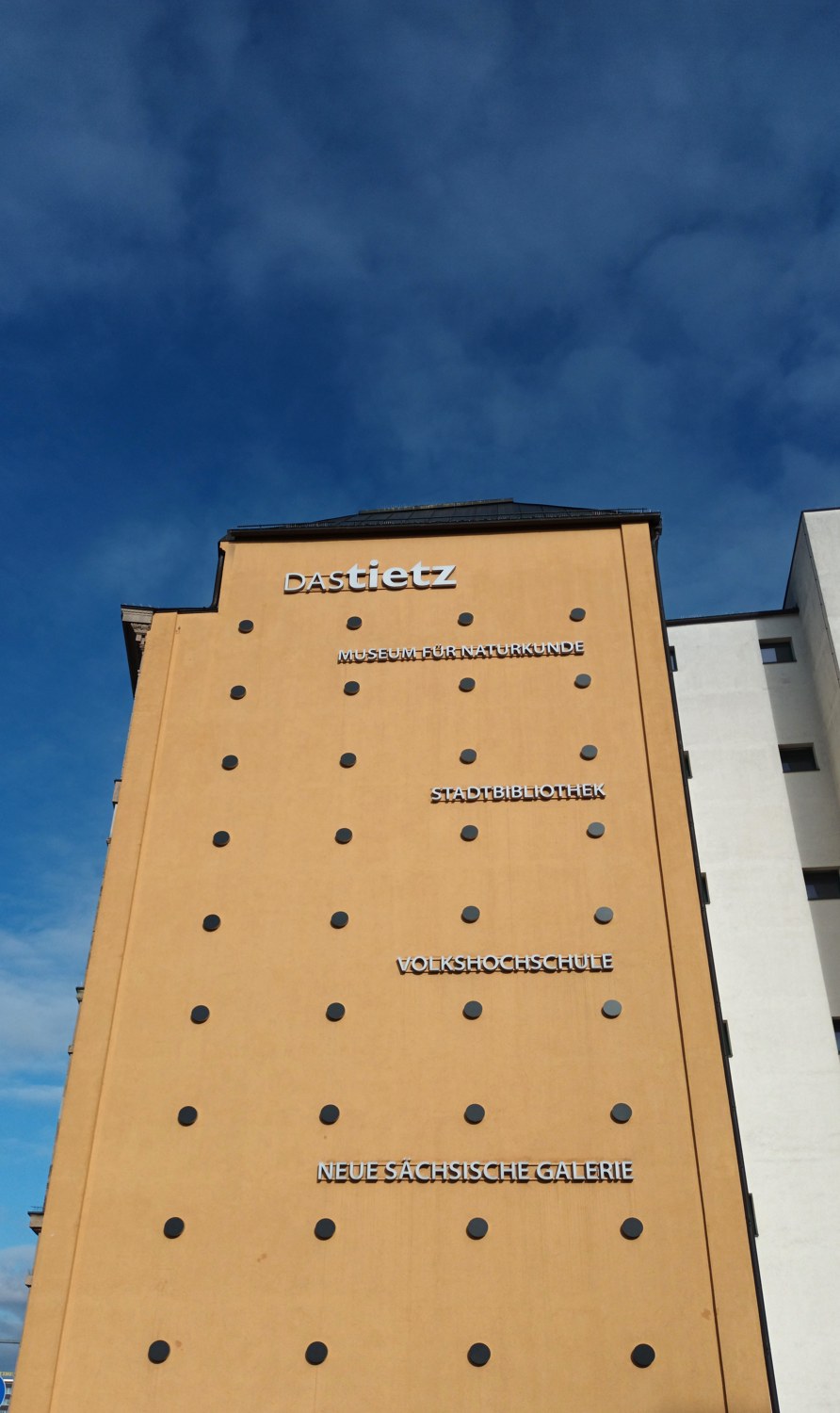
Culture & history
Use the current exhibition as your starting point for contemporary Saxon art at TIETZ.
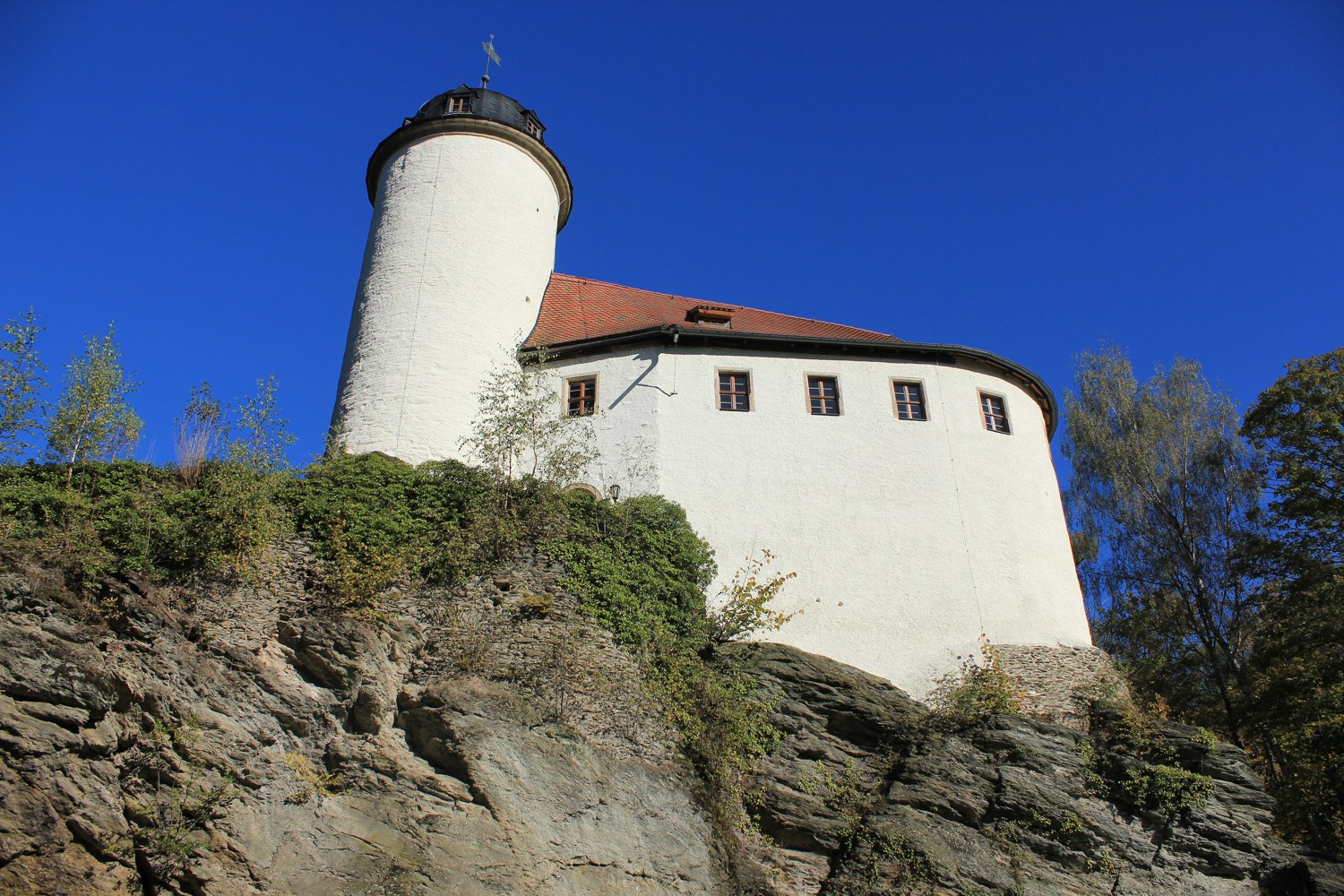
Culture & history
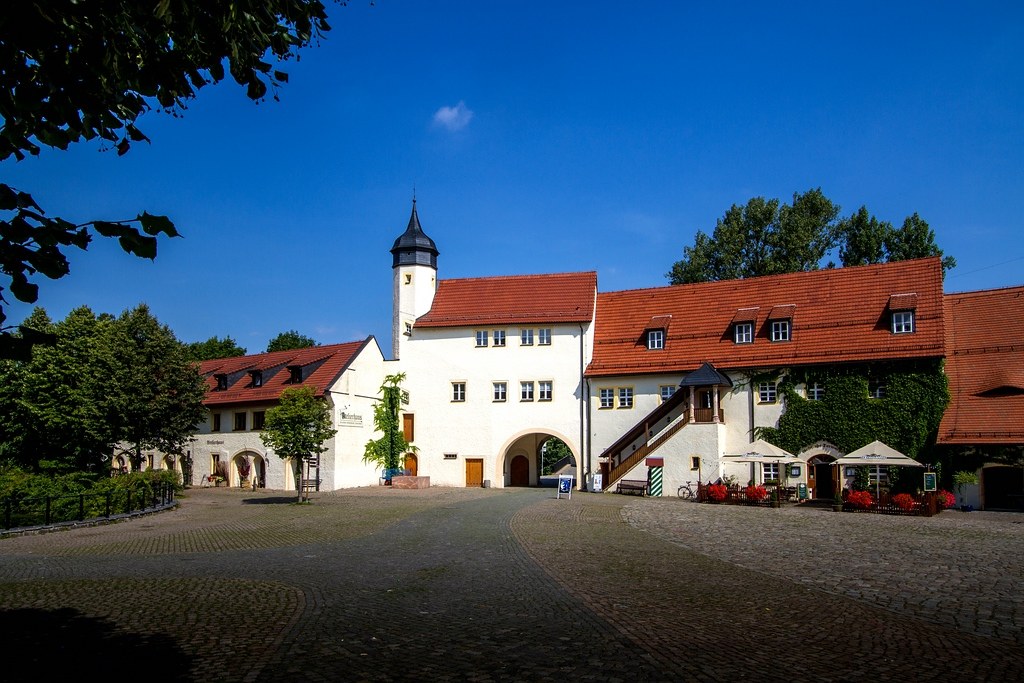
Allow time for the surviving castle buildings, their rocky setting and the visit itself.
Culture & history
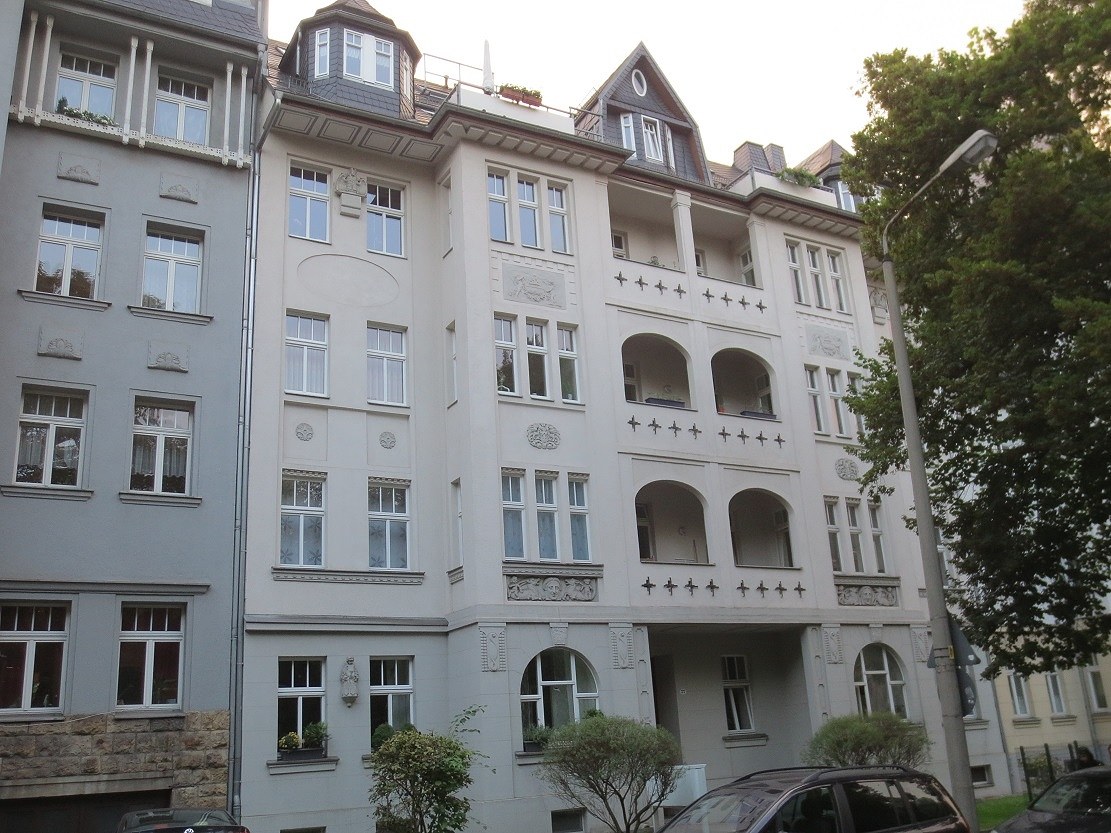
Distinguish the exhibition building from the courtyard and landscape when planning Klaffenbach.
Culture & history
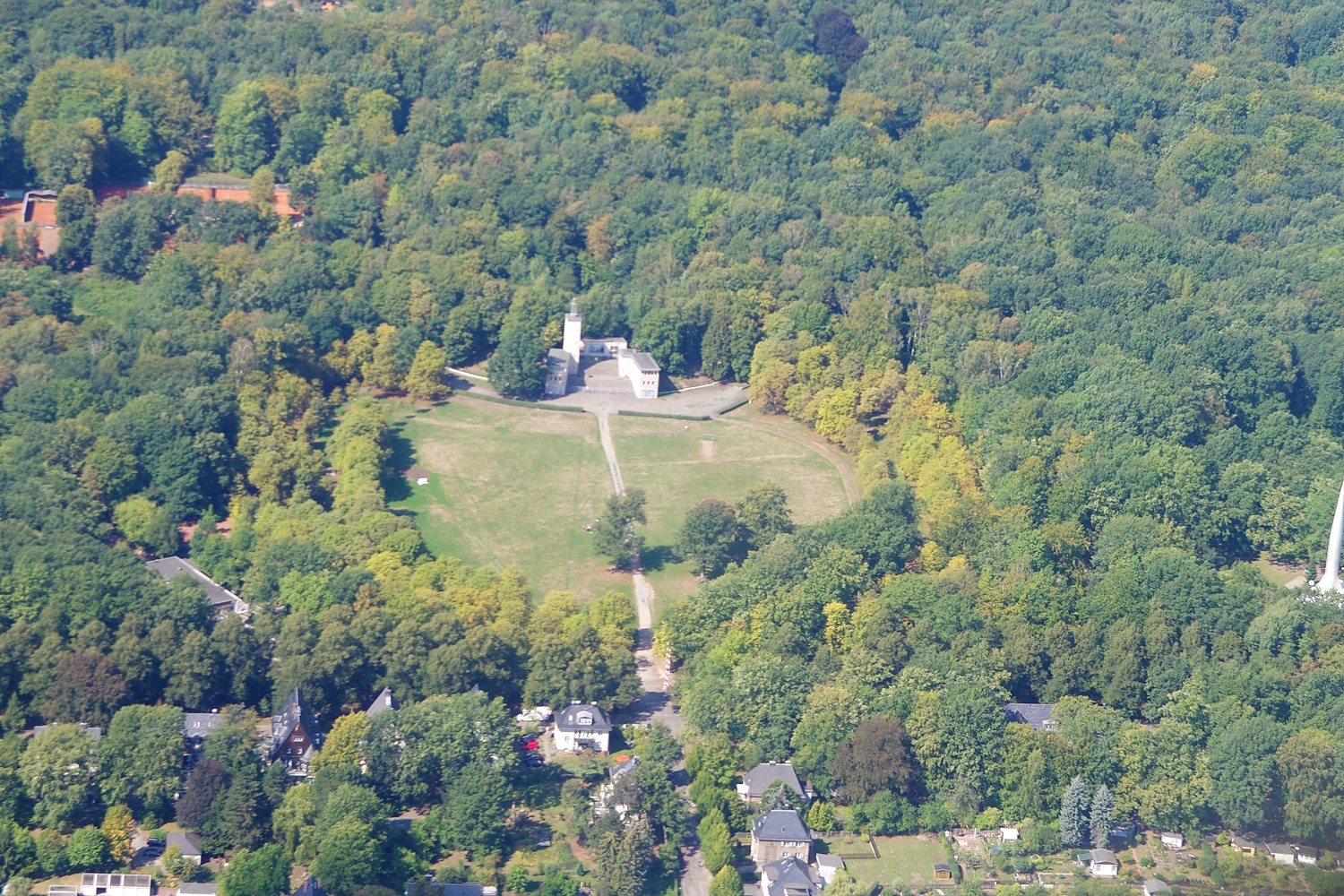
Windows, entrances and façade rhythms offer another way to read the city.
Outdoors
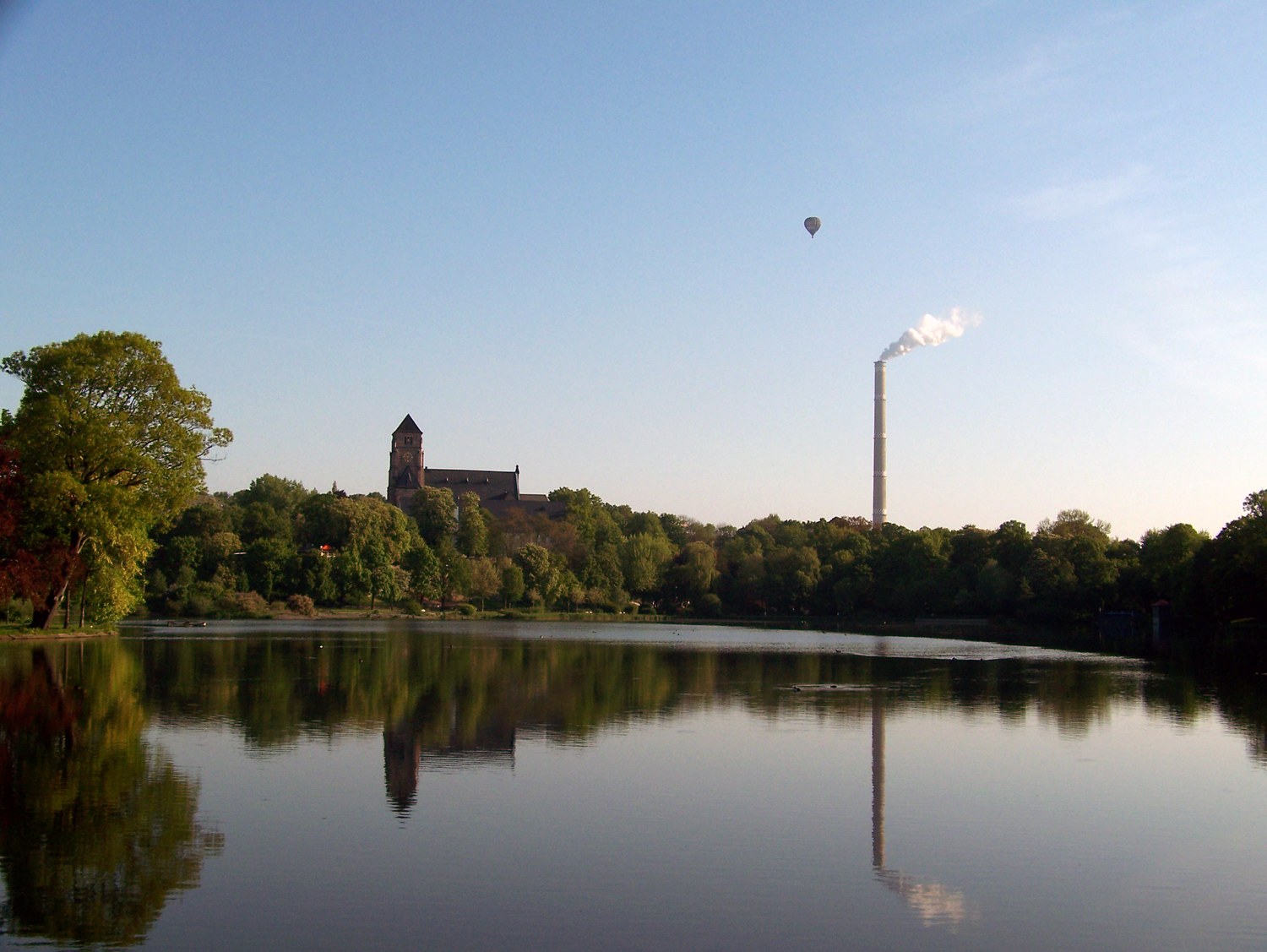
Let Küchwald be a destination for time outdoors, with an optional activity rather than a packed schedule.
Outdoors
A waterside circuit can stand alone or lead towards Schloßberg, depending on the time and energy available.
Outdoors
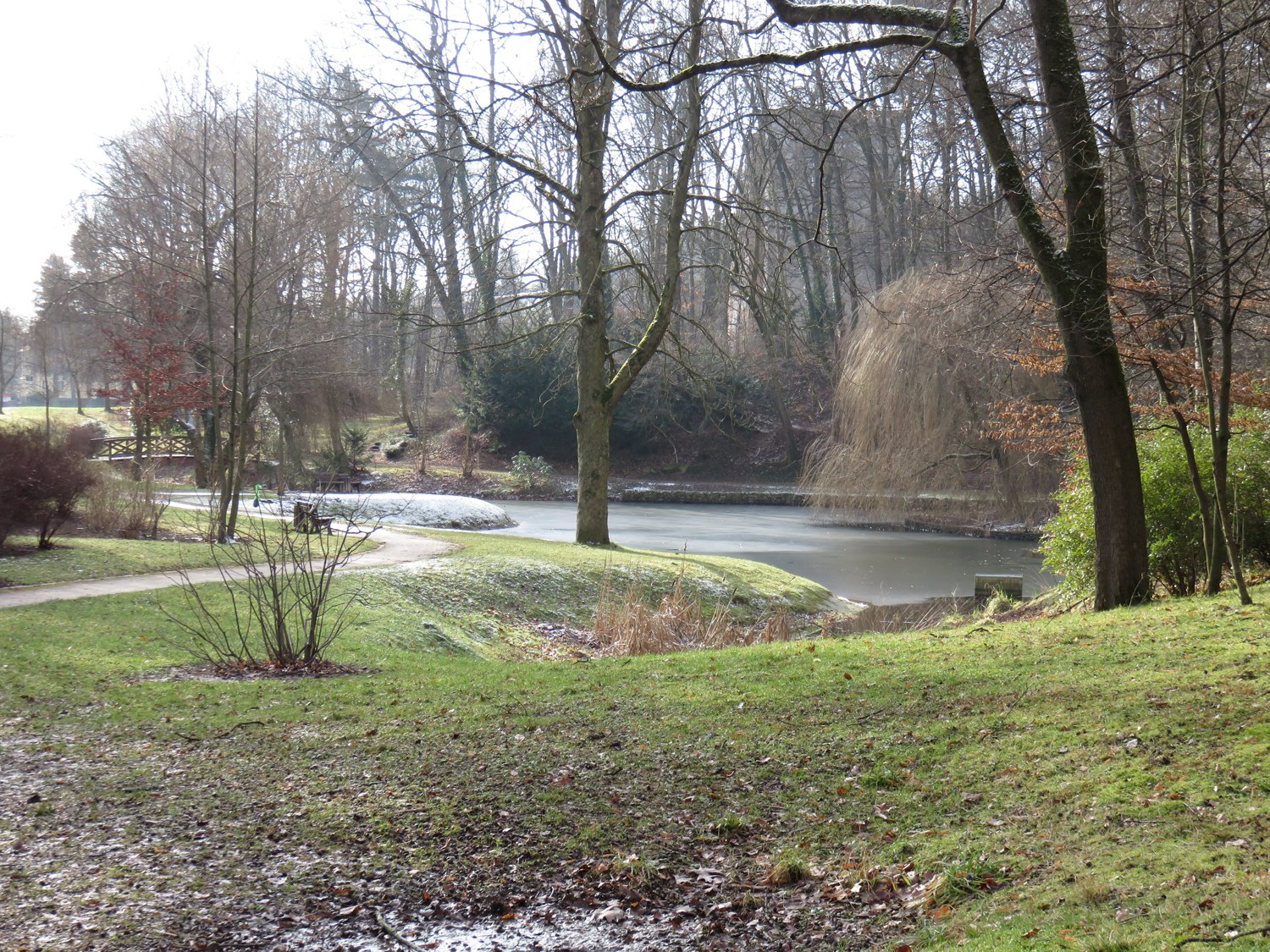
Choose a manageable section of the river corridor rather than treating Stadtpark as one compulsory circuit.
Outdoors
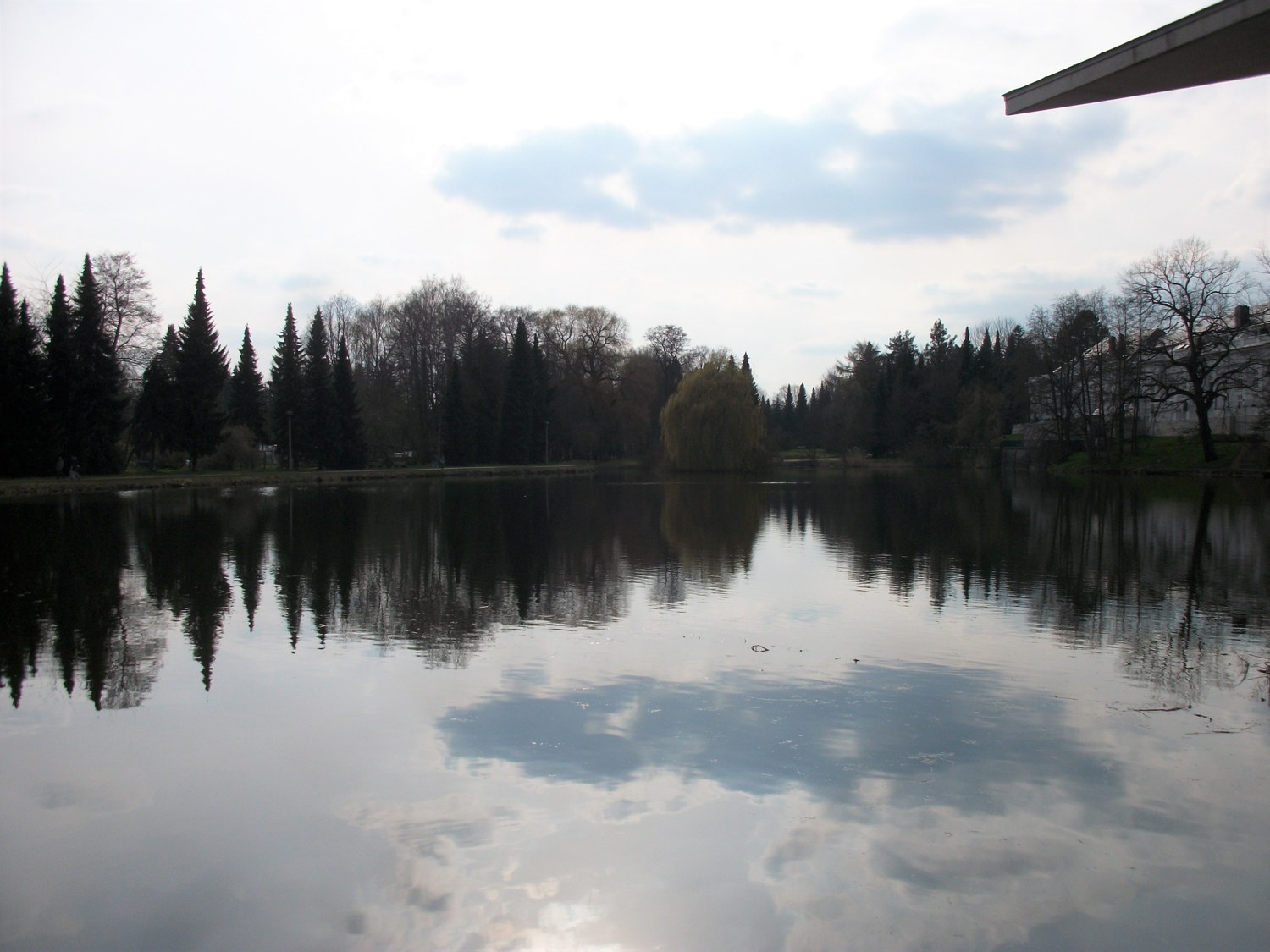
Use Pelzmühlenteich for a short waterside pause or a carefully timed addition to a zoo visit.
Outdoors
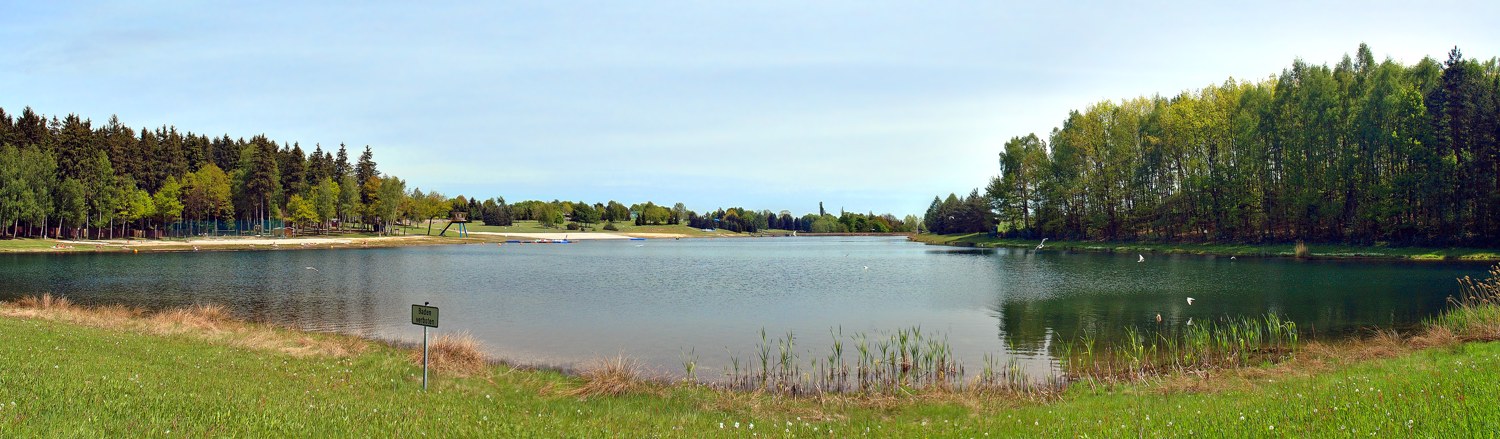
A swimming visit and a woodland outing require different plans at Stausee Rabenstein.
Outdoors
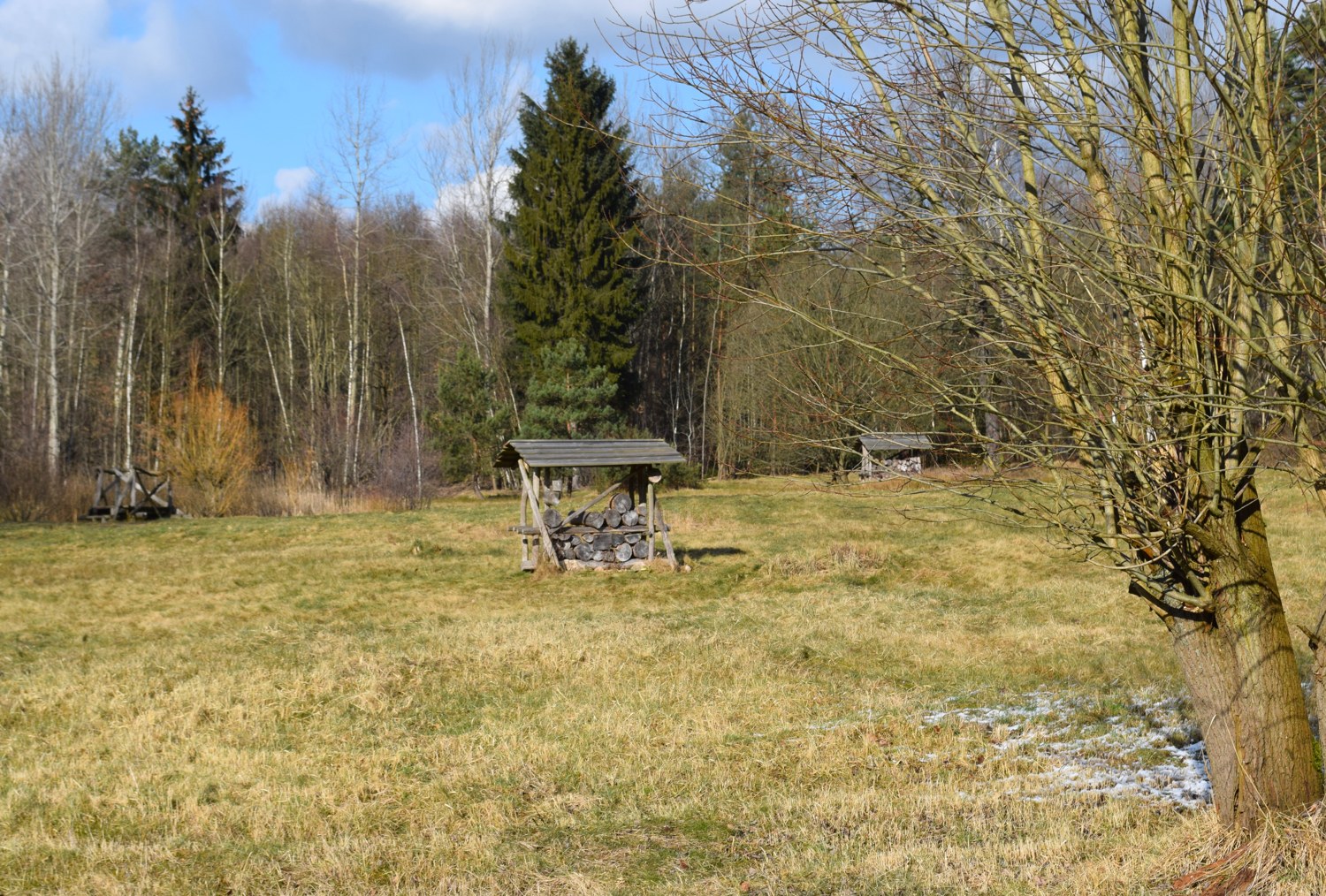
Marked paths and traces of quarrying give Zeisigwald a connection to both woodland and city architecture.
Outdoors
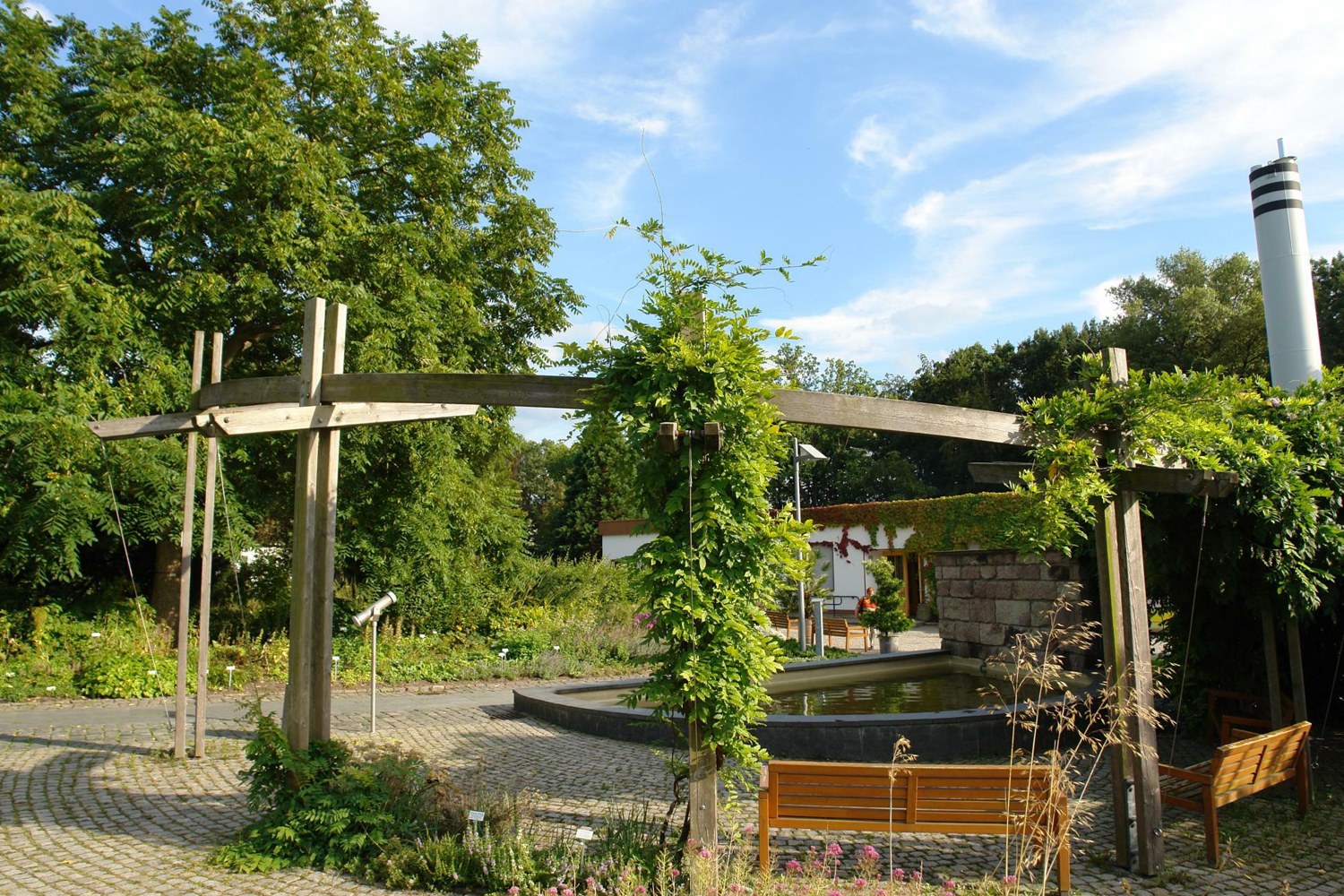
A few close observations can be more rewarding than trying to identify every plant in the botanical garden.
Outdoors
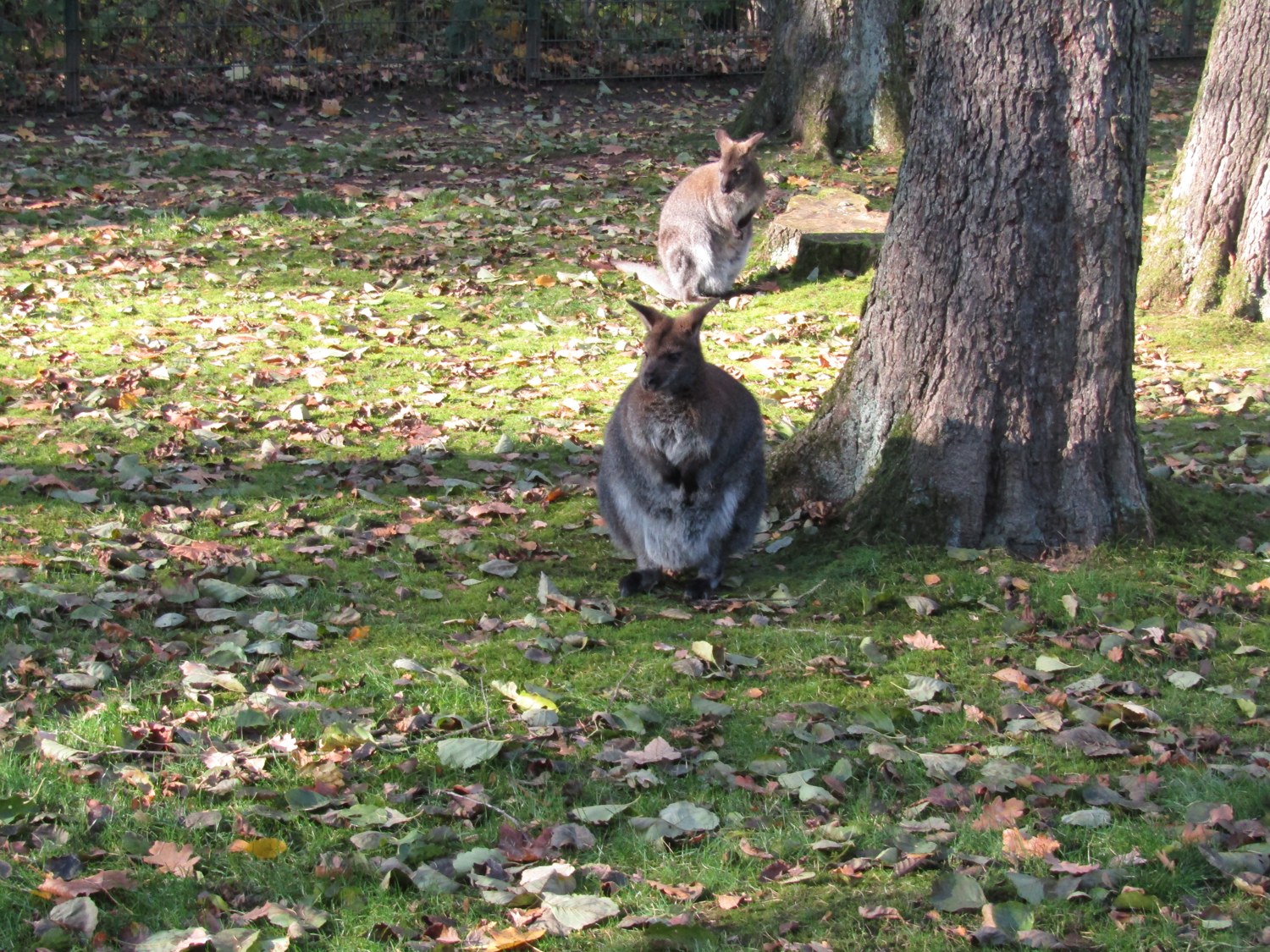
Choose the zoo site deliberately, then leave room for the animals to set the pace.
Outdoors
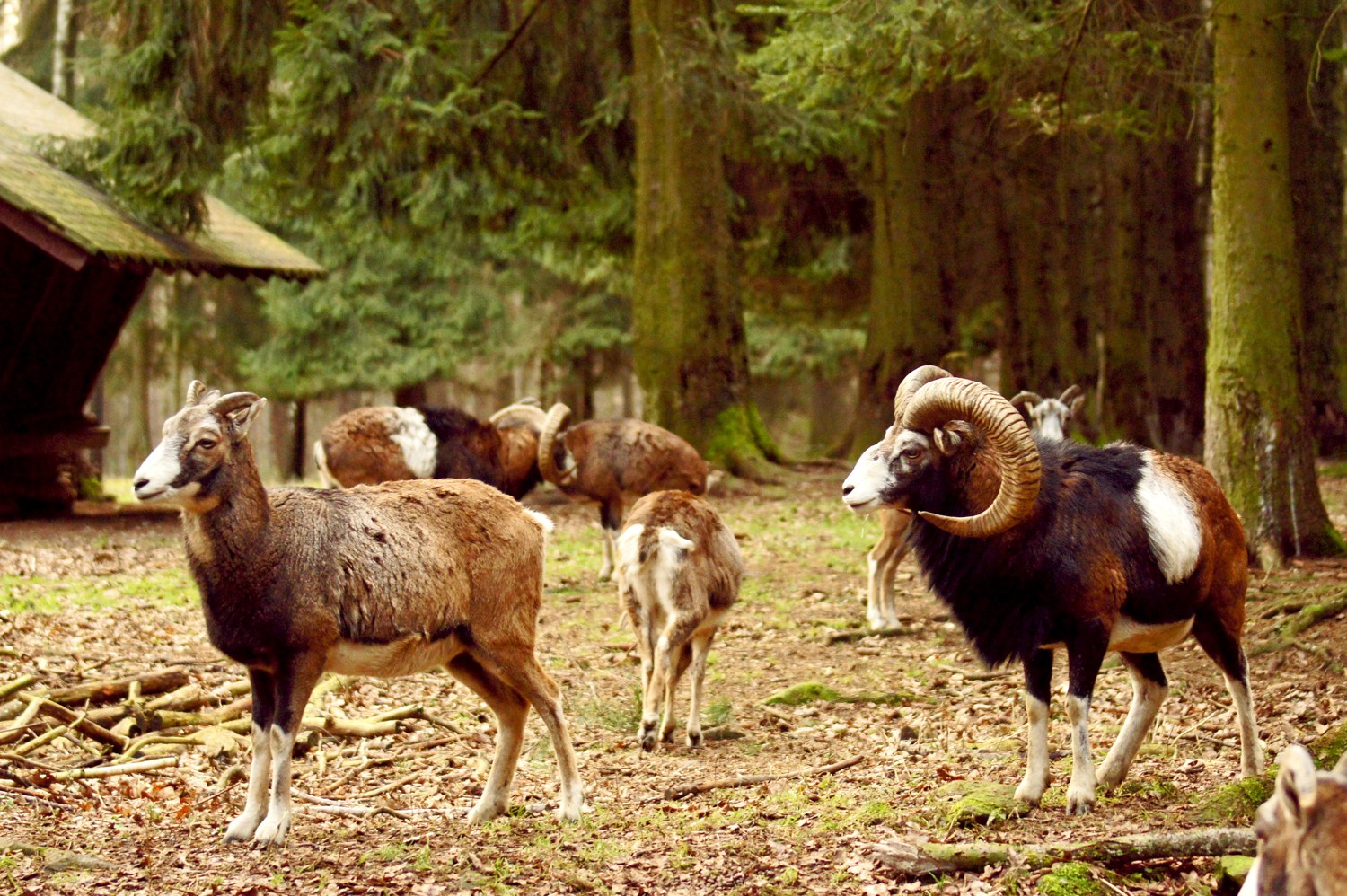
Woodland and large enclosures make patient observation part of the outing at Wildgatter Oberrabenstein.
Outdoors
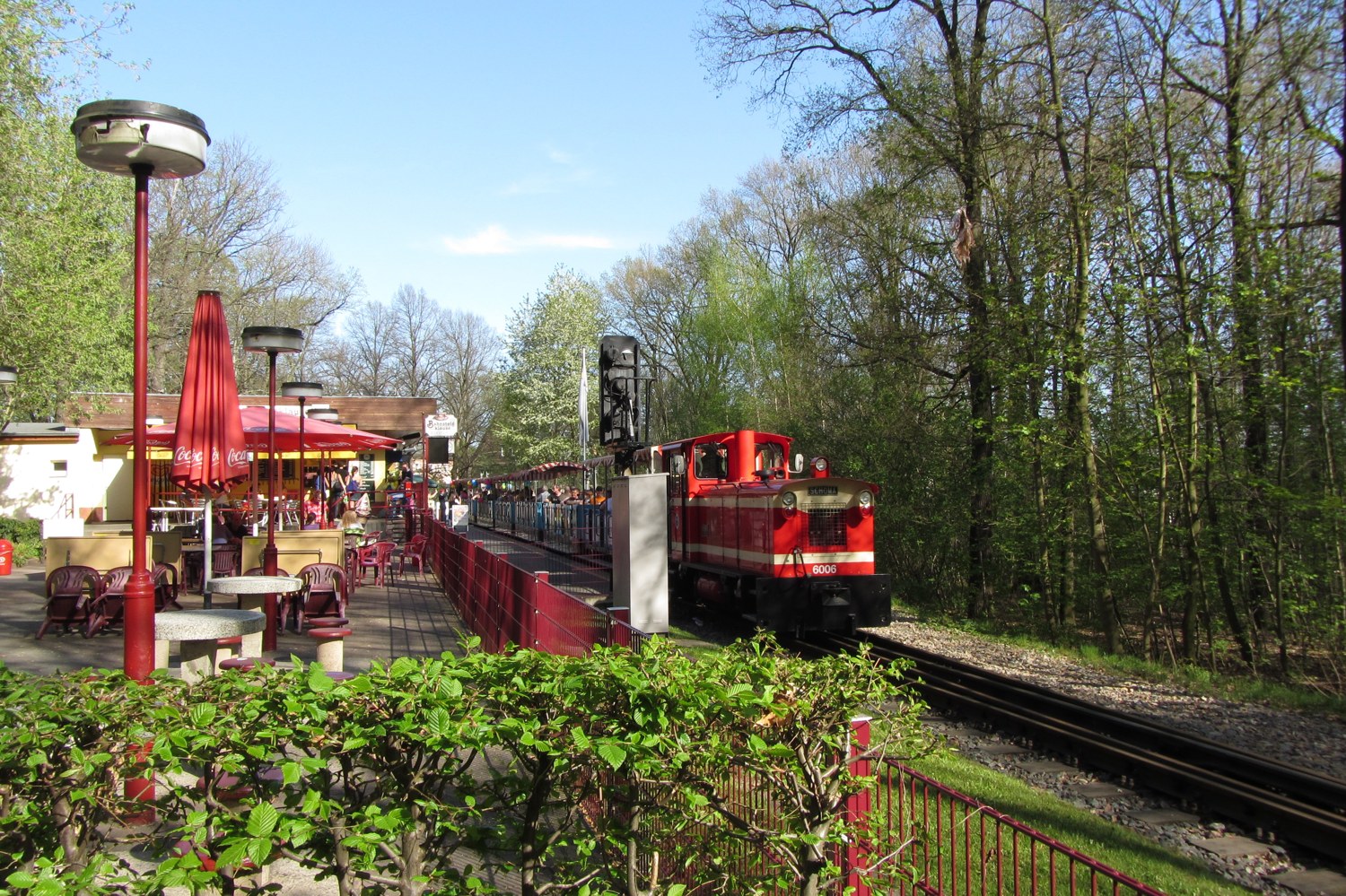
The park railway has its own timetable and operating routines, making it more than a ride between park paths.
Outdoors
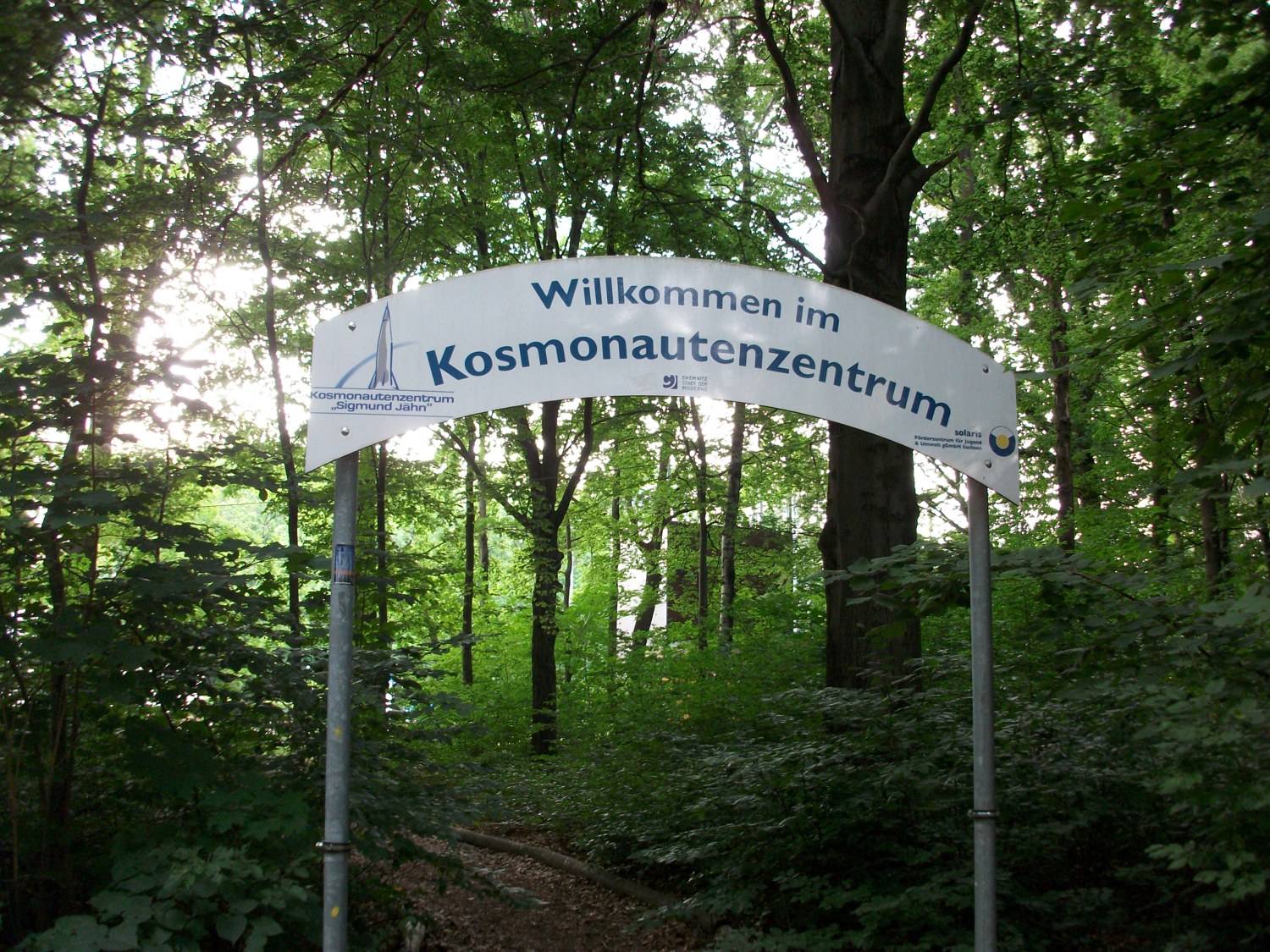
Choose an age-appropriate supervised programme at the Cosmonaut Centre, then leave room for Küchwald afterwards.
Outdoors
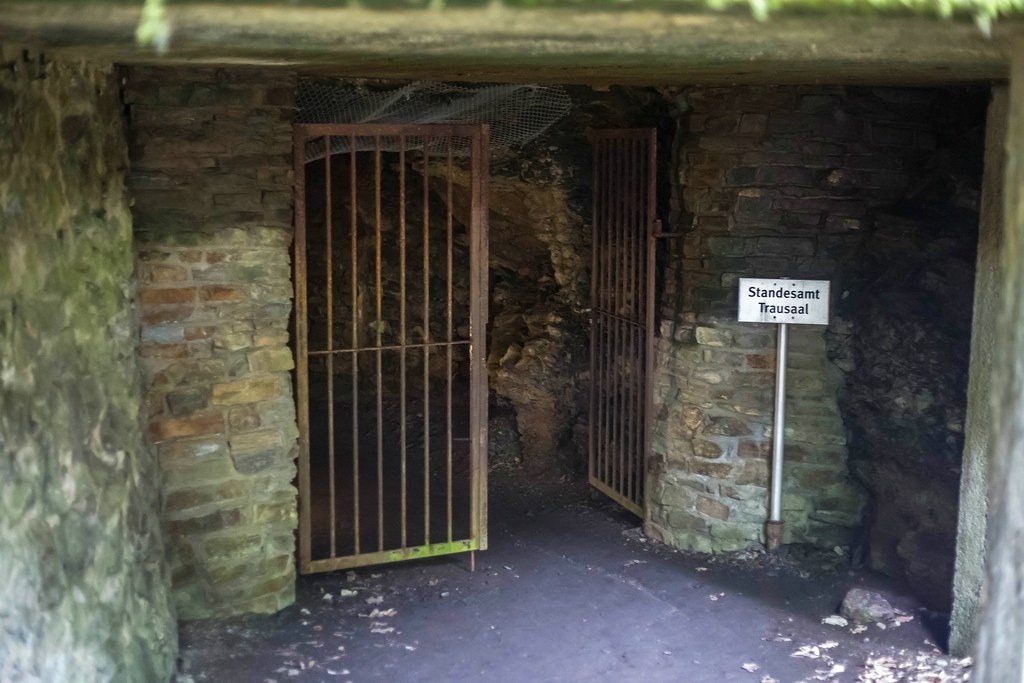
A guided visit and its participation conditions determine the outing to Felsendome Rabenstein.
Outdoors
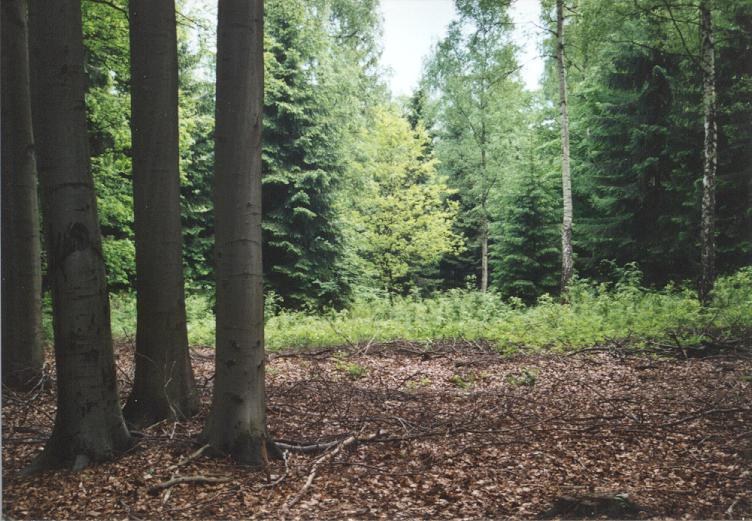
Choose a marked route in Rabensteiner Wald that fits the group and the way you arrive.
Outdoors
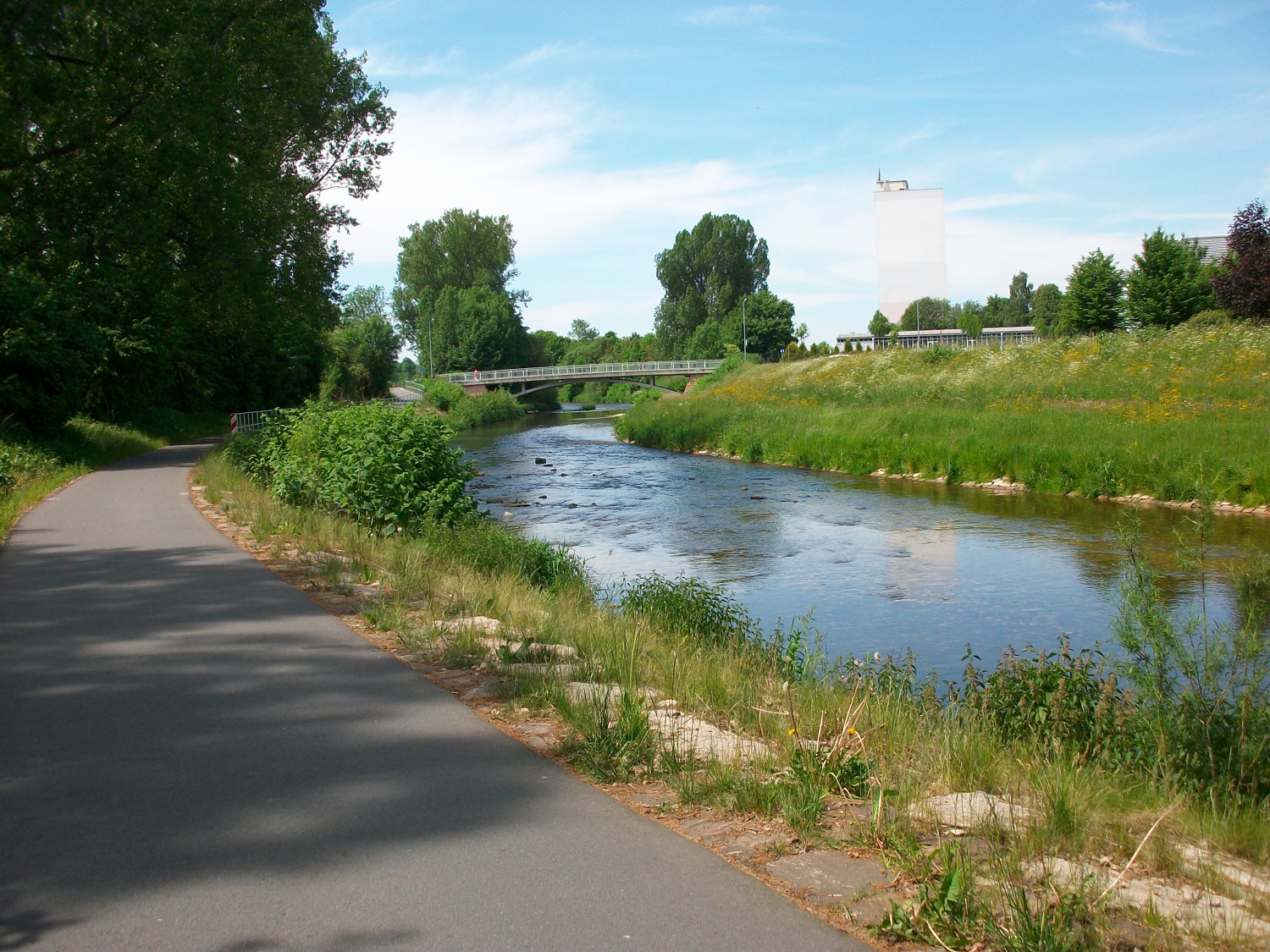
Use a particular stretch of the River Chemnitz to understand the city rather than assuming a continuous waterside path.
Outdoors
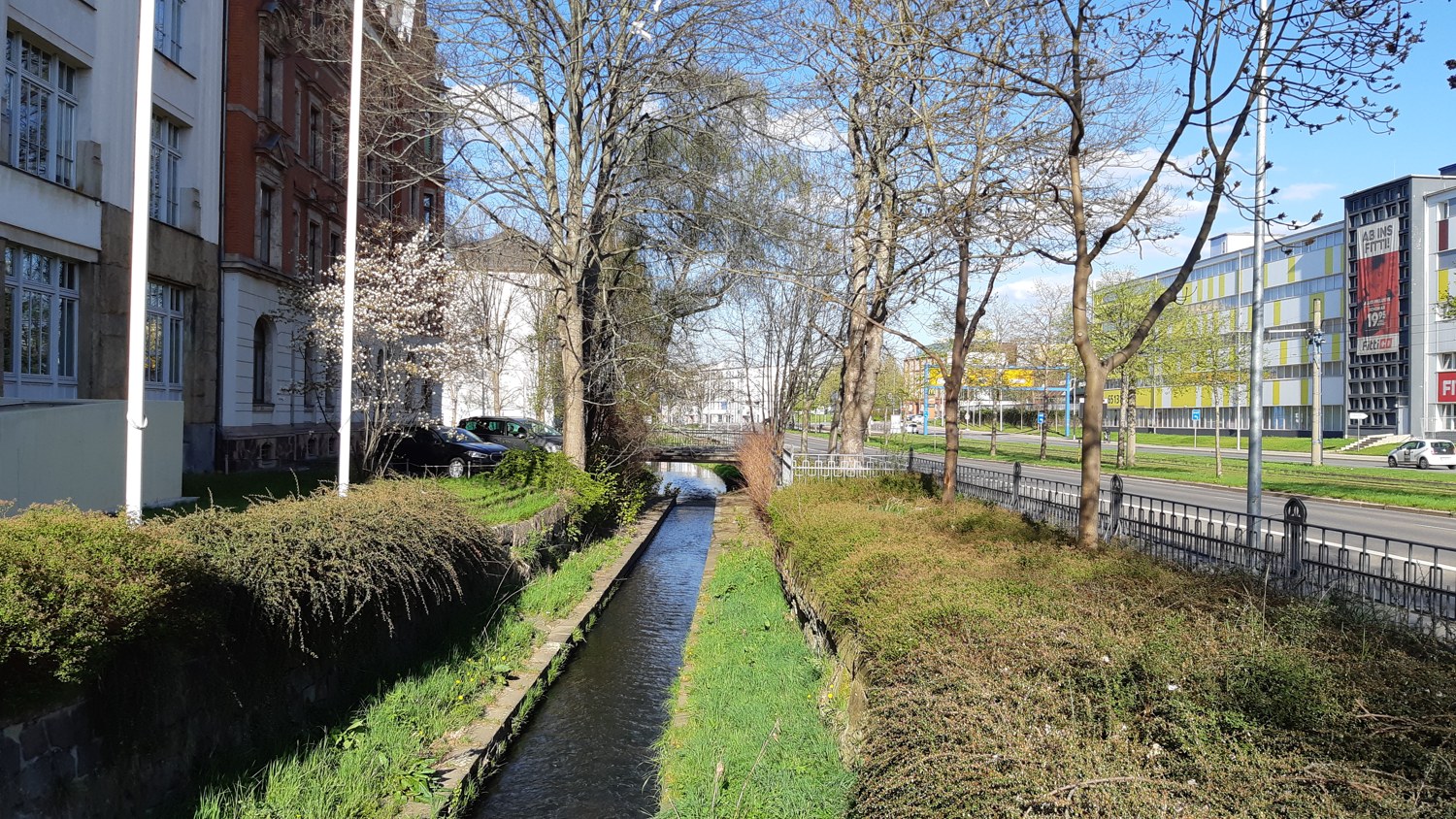
A short public section of the Kappelbach corridor reveals how a small watercourse fits into the city.
Outdoors
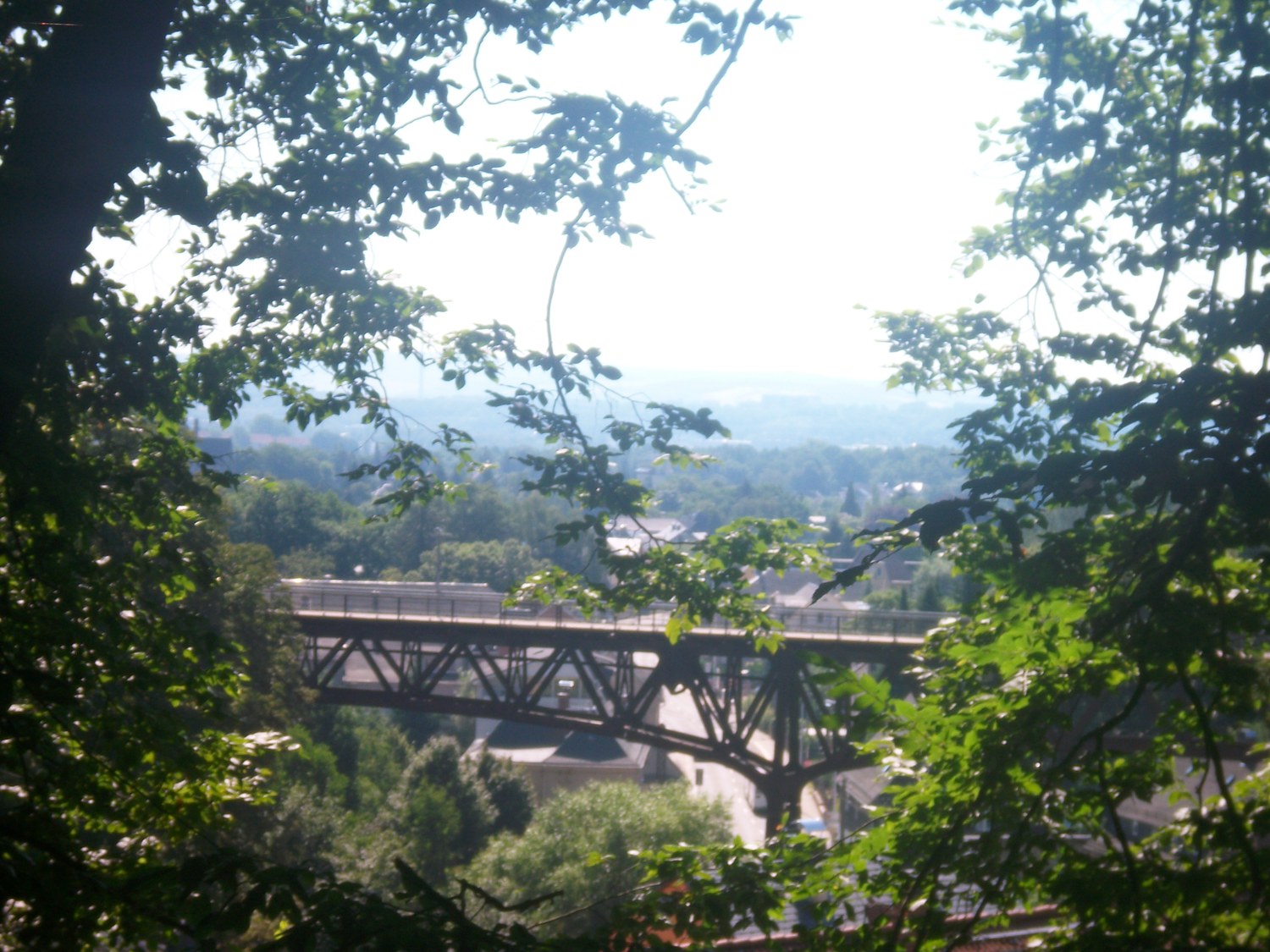
Use the viaduct as a specific walking destination rather than assuming that every former railway feature is a public route.
Outdoors
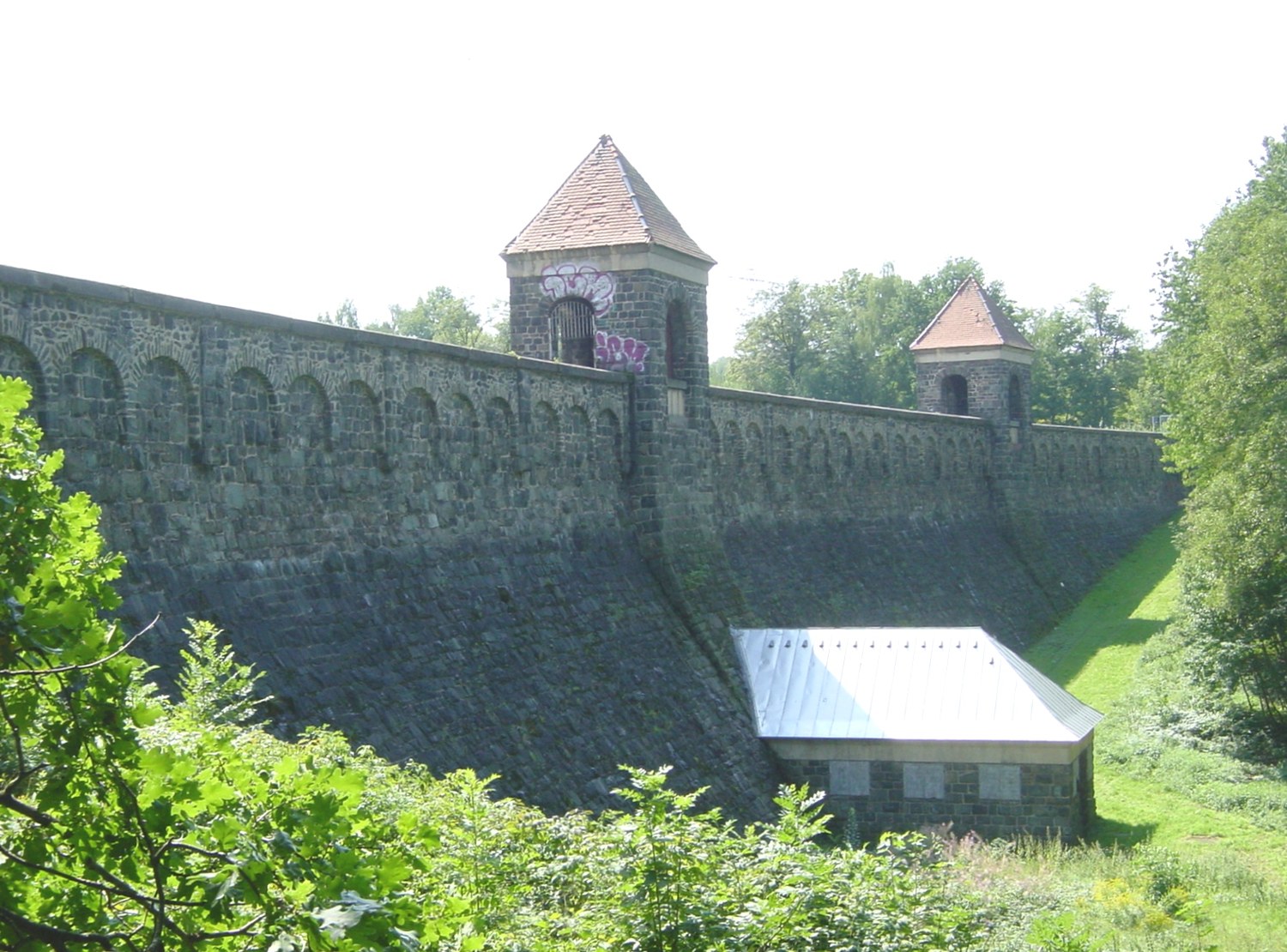
Treat Euba as a village-edge outing and its dam as infrastructure, not as an unrestricted swimming lake.
Outdoors
Use the recorded Sternmühle circuit as a defined route rather than inventing a loop through the valley.
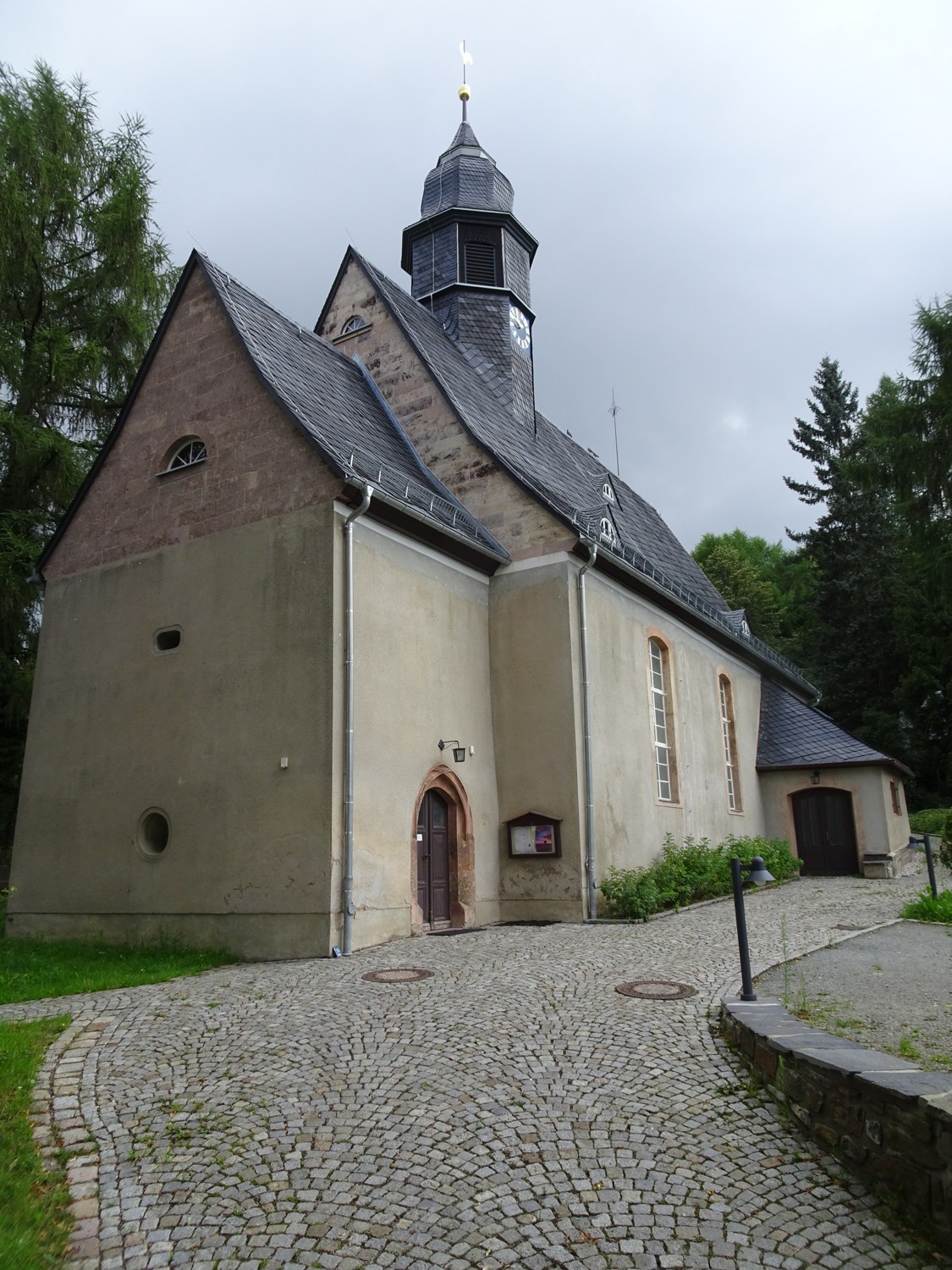
Outdoors
The Höhenweg links four districts; choose a section rather than assuming you must complete the whole route.
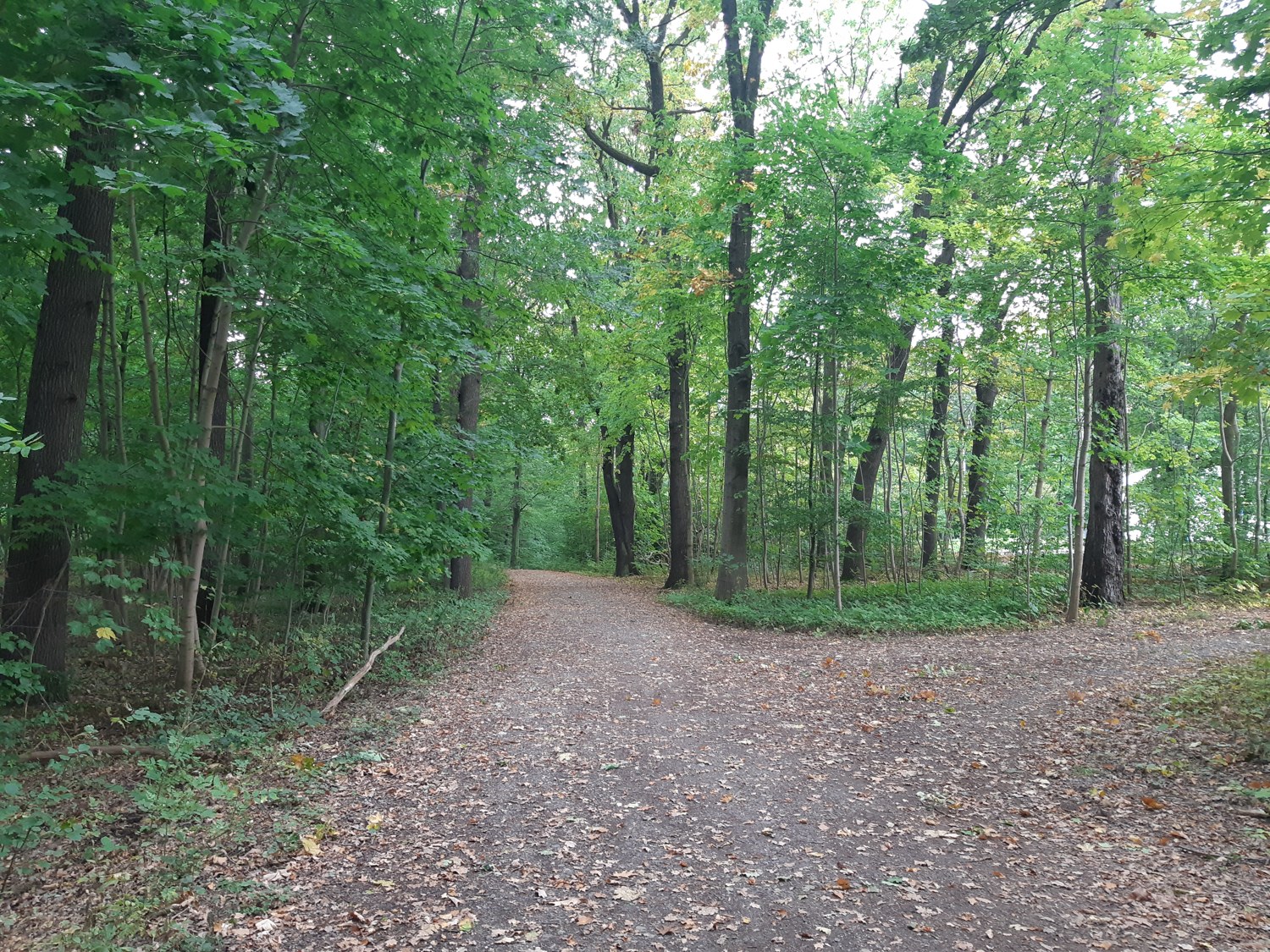
Outdoors
Identify the Chemnitz woodland correctly, then choose a clear route through a working urban forest.
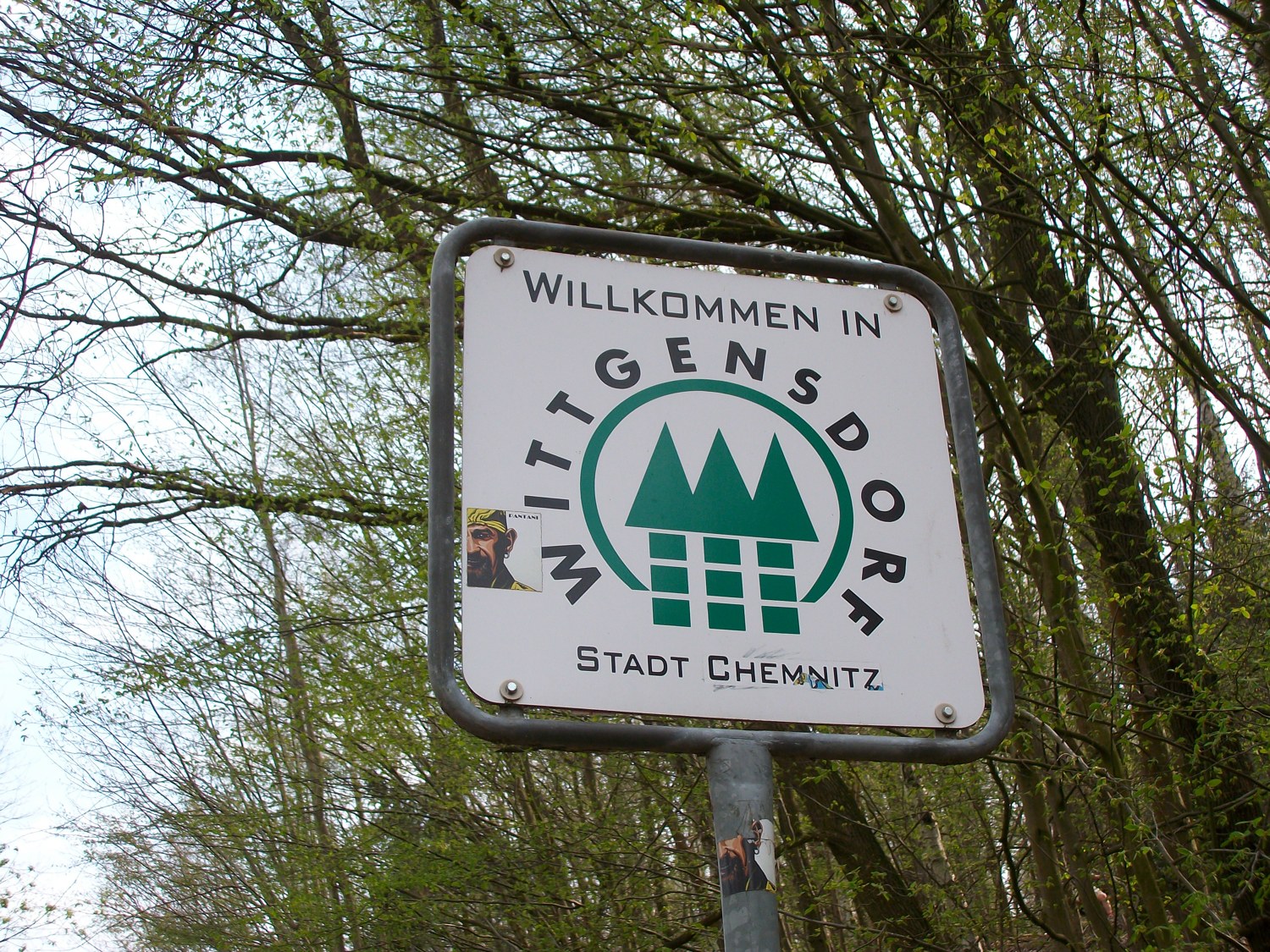
Outdoors
Choose a section of Wittgensdorf and notice how farming, industry and housing sit together.
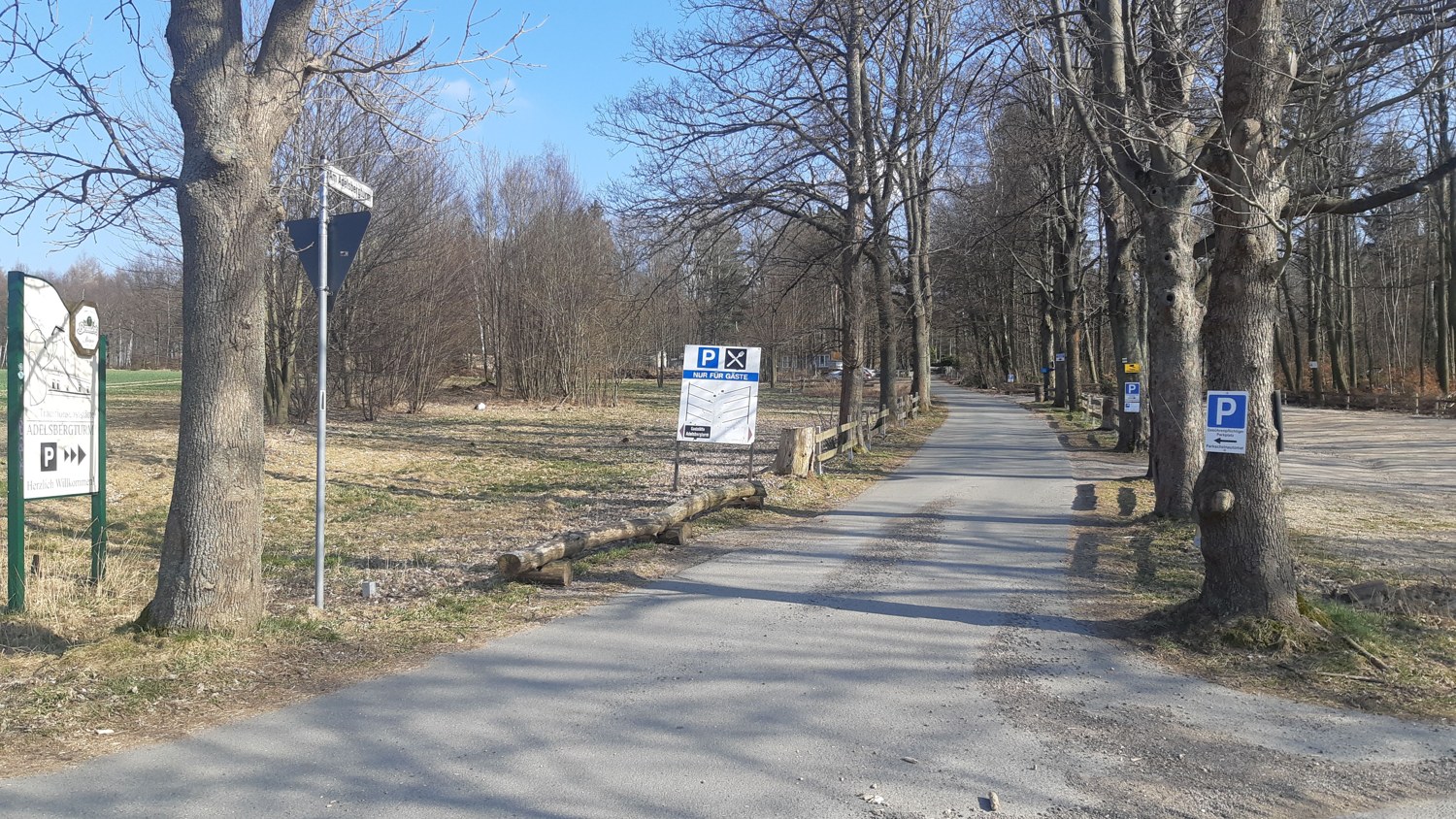
Outdoors
Separate the woodland outing, refreshments and any possible tower ascent when planning Adelsberg.
Itineraries
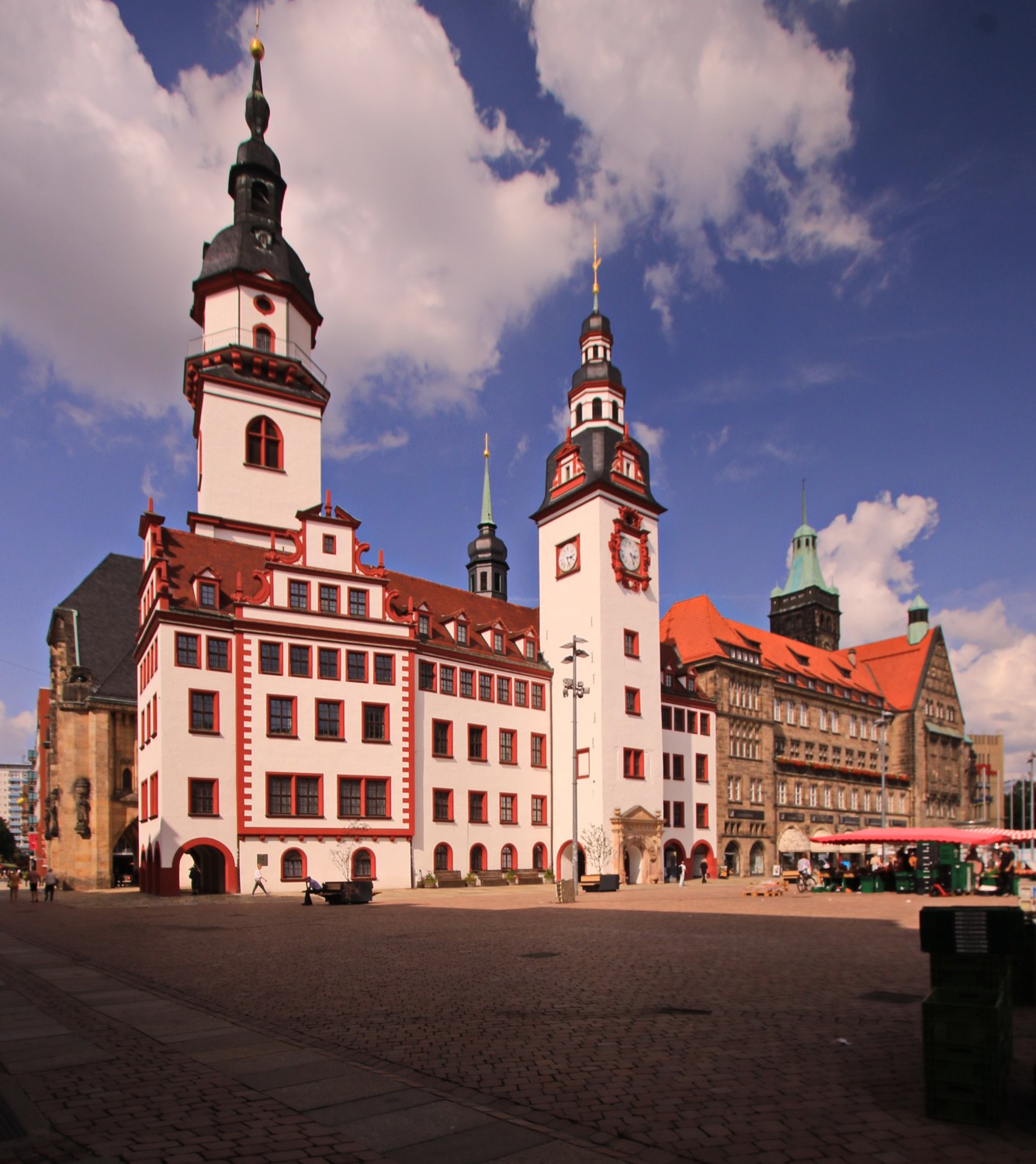
Begin with the central squares, then choose one direction for the afternoon rather than collecting every attraction.
Itineraries
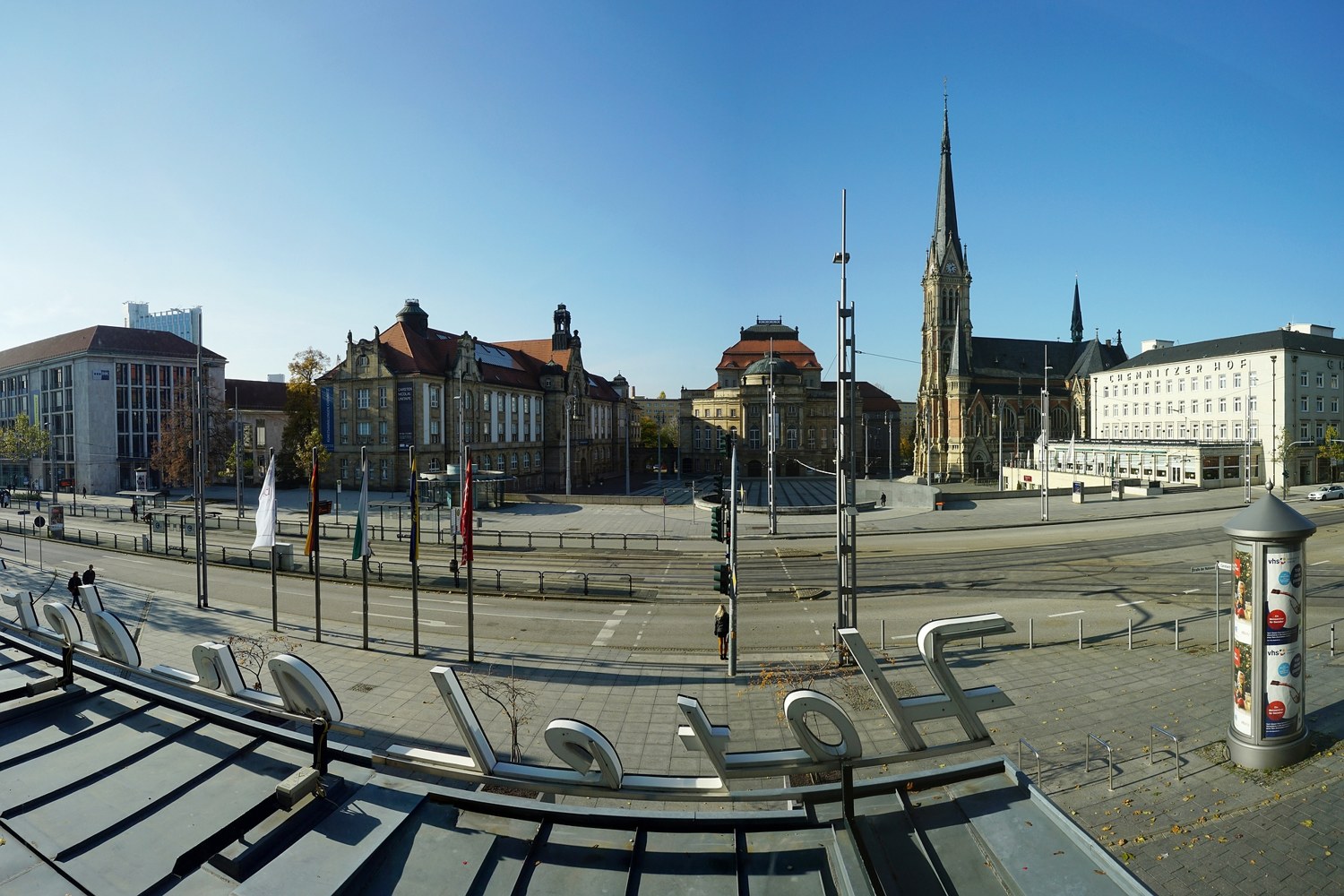
Give each day a different focus and organise around the usable time between arrival and departure.
Itineraries
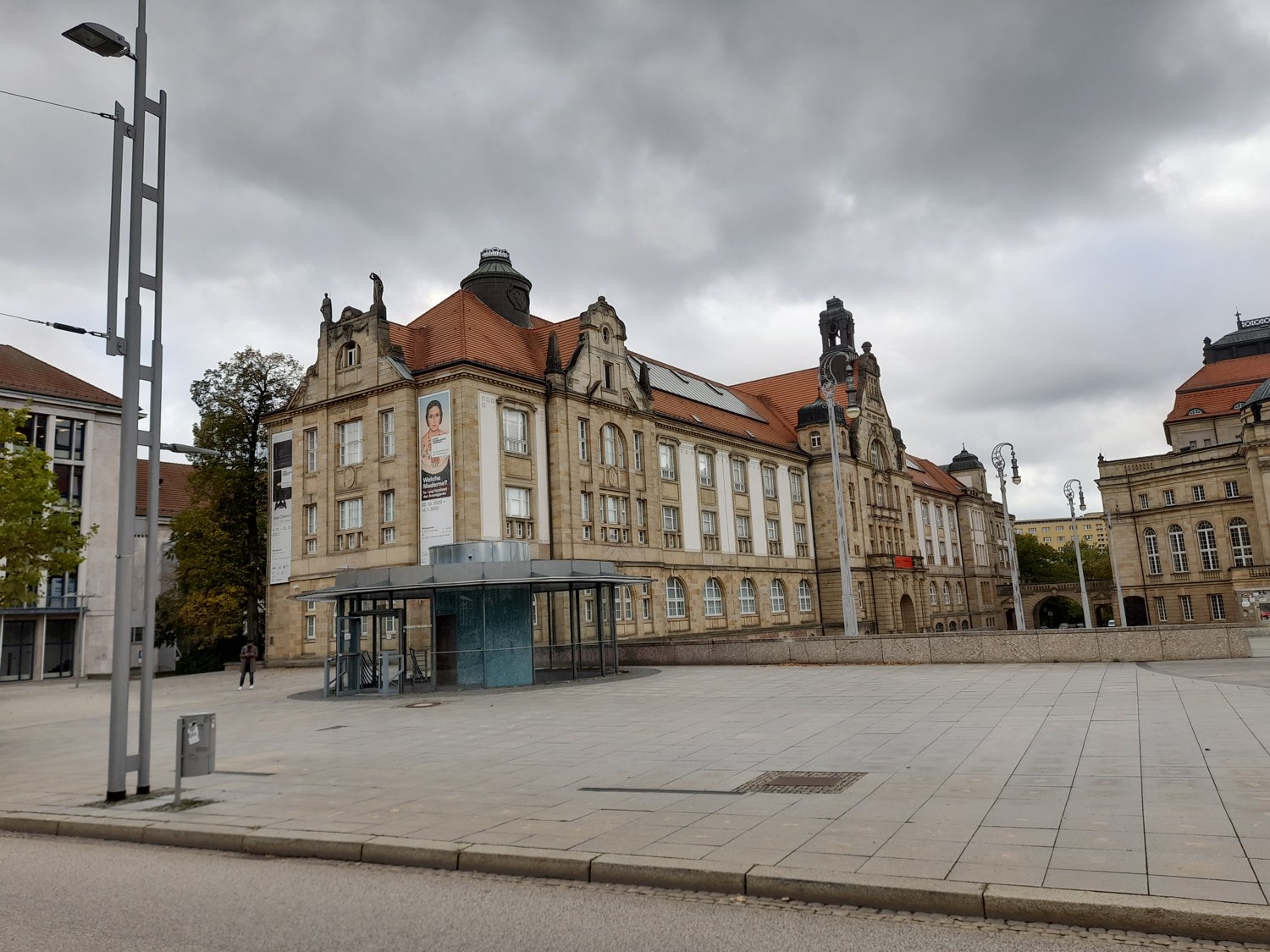
Choose one substantial indoor visit and organise the wet journeys between activities as carefully as the activities themselves.
Itineraries
Choose a shared question, a small number of objects and a pace that allows different interests to coexist.
Itineraries
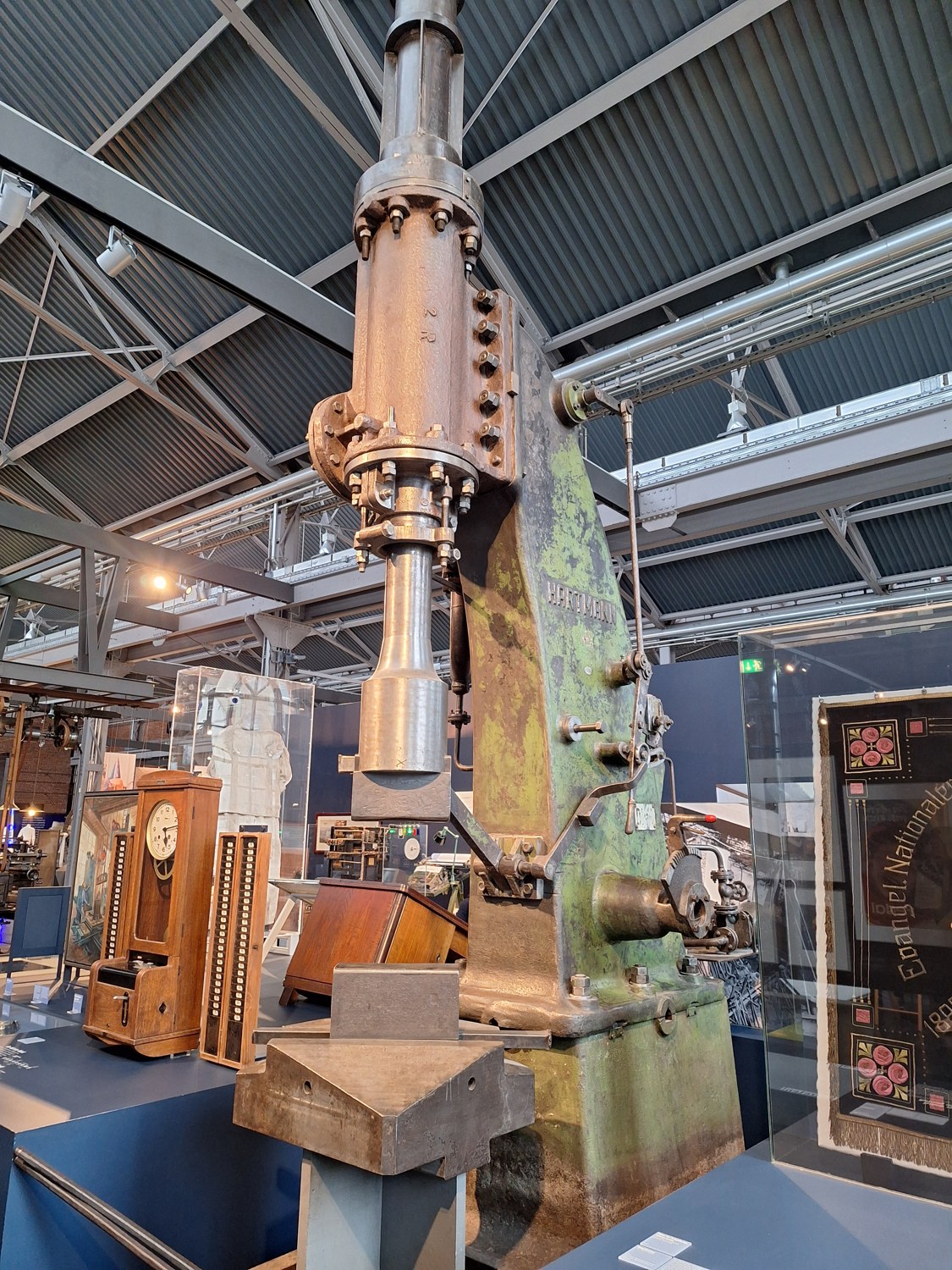
Connect manufactured objects with work, buildings and the wider city rather than treating industrial heritage as a machinery checklist.
Itineraries
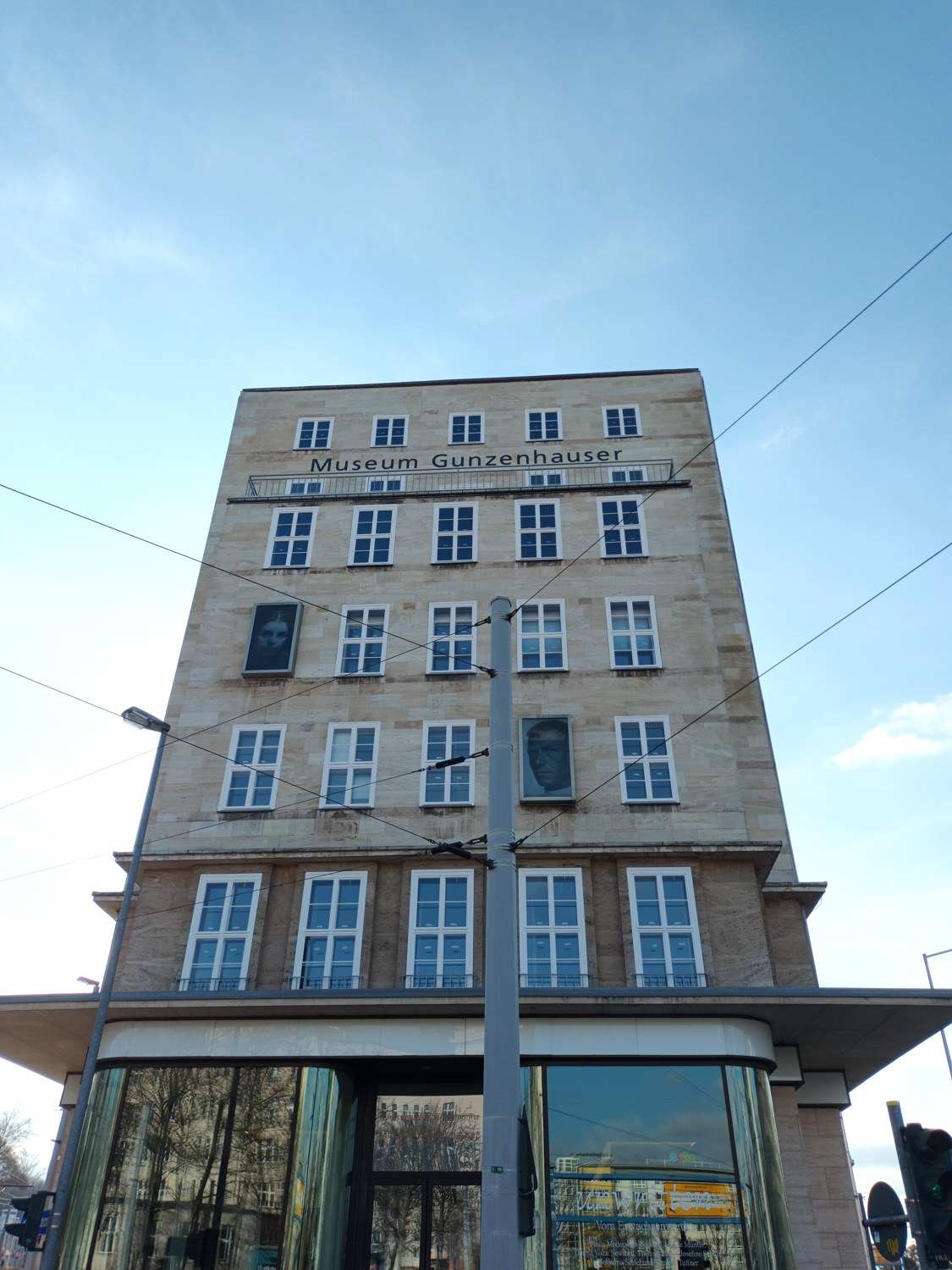
Choose exhibitions deliberately and allow time between them so that the day remains about looking, not just entering buildings.
Itineraries
Compare buildings and the spaces between them, using several central locations before choosing whether to continue to Kaßberg.
Itineraries
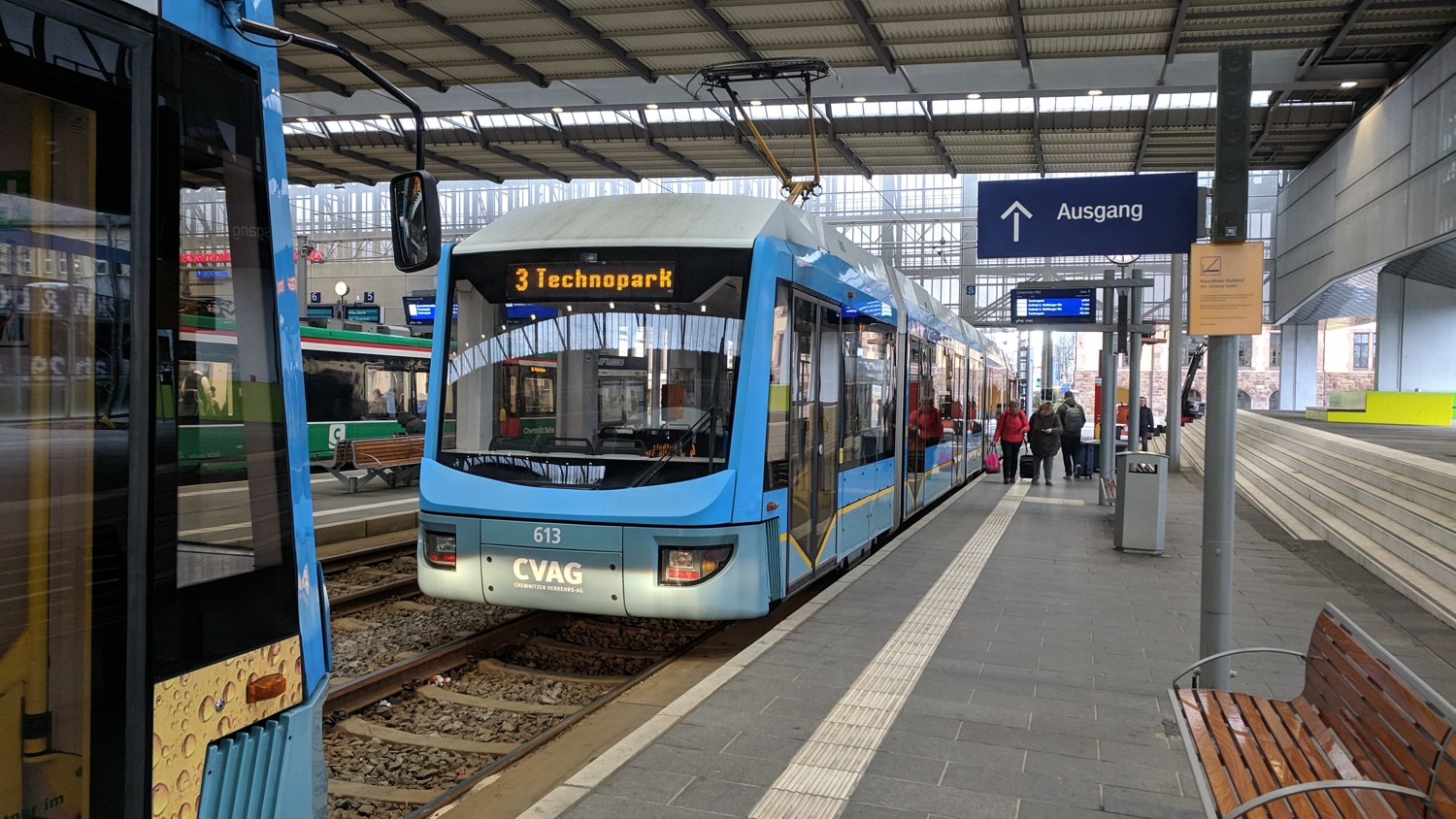
Trams, buses and manageable walks can support two distinctly different days in the city.
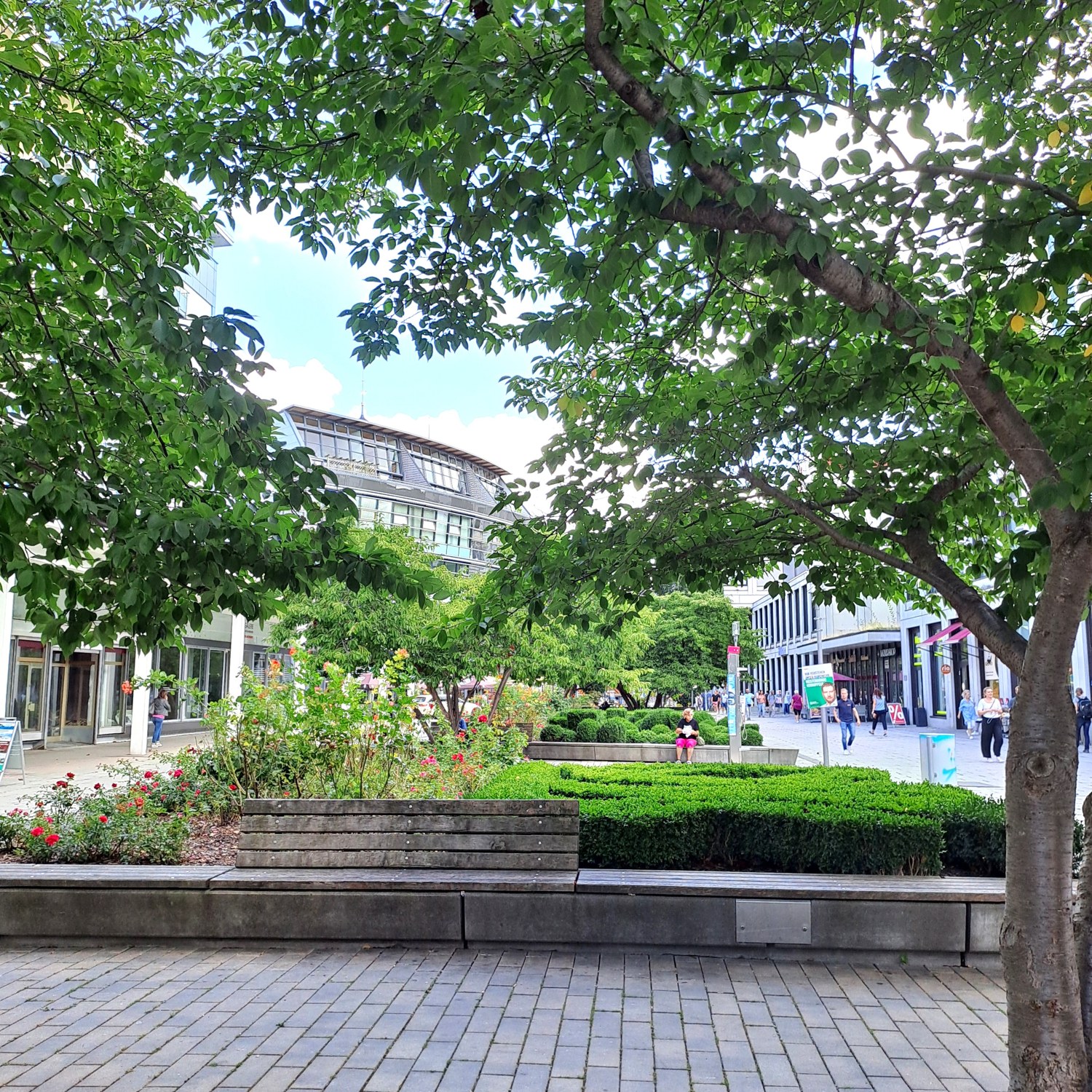
Itineraries
A short stay benefits from a clear choice rather than a miniature version of an entire sightseeing day.
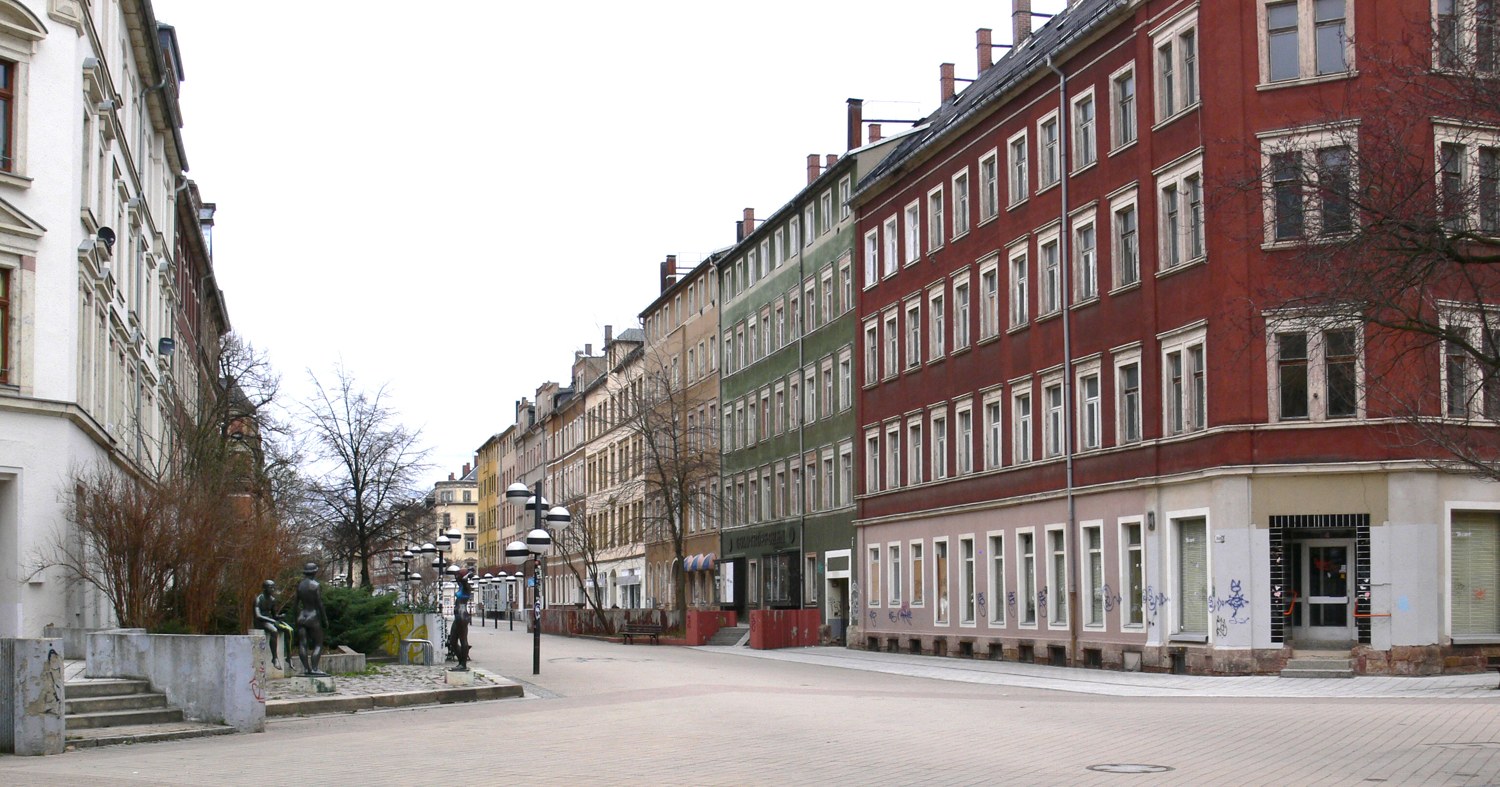
Itineraries
Travelling alone leaves room to follow an interest and to decide when the day needs a pause.
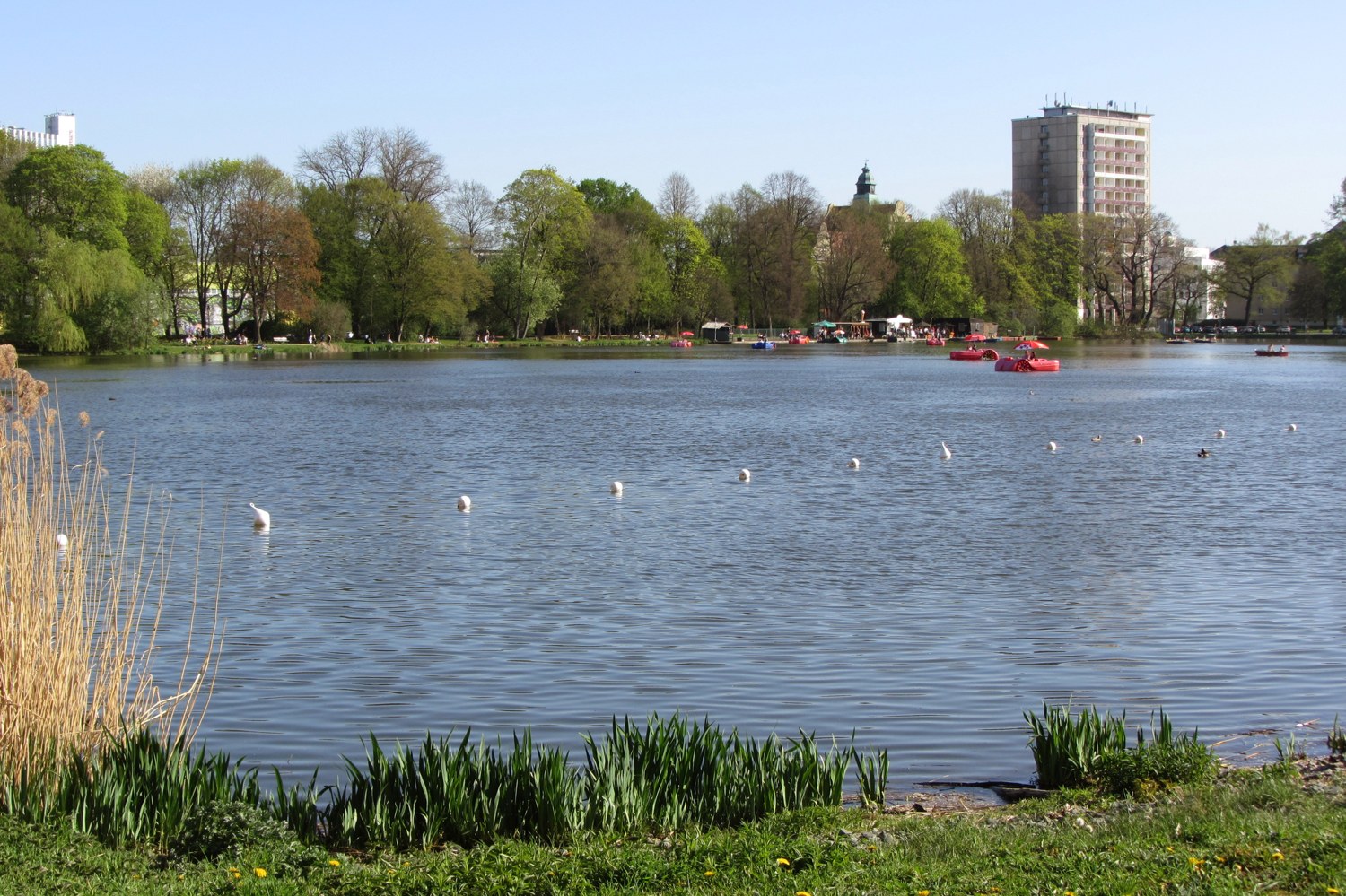
Itineraries
A few fixed commitments leave room to look longer and make decisions while you are there.
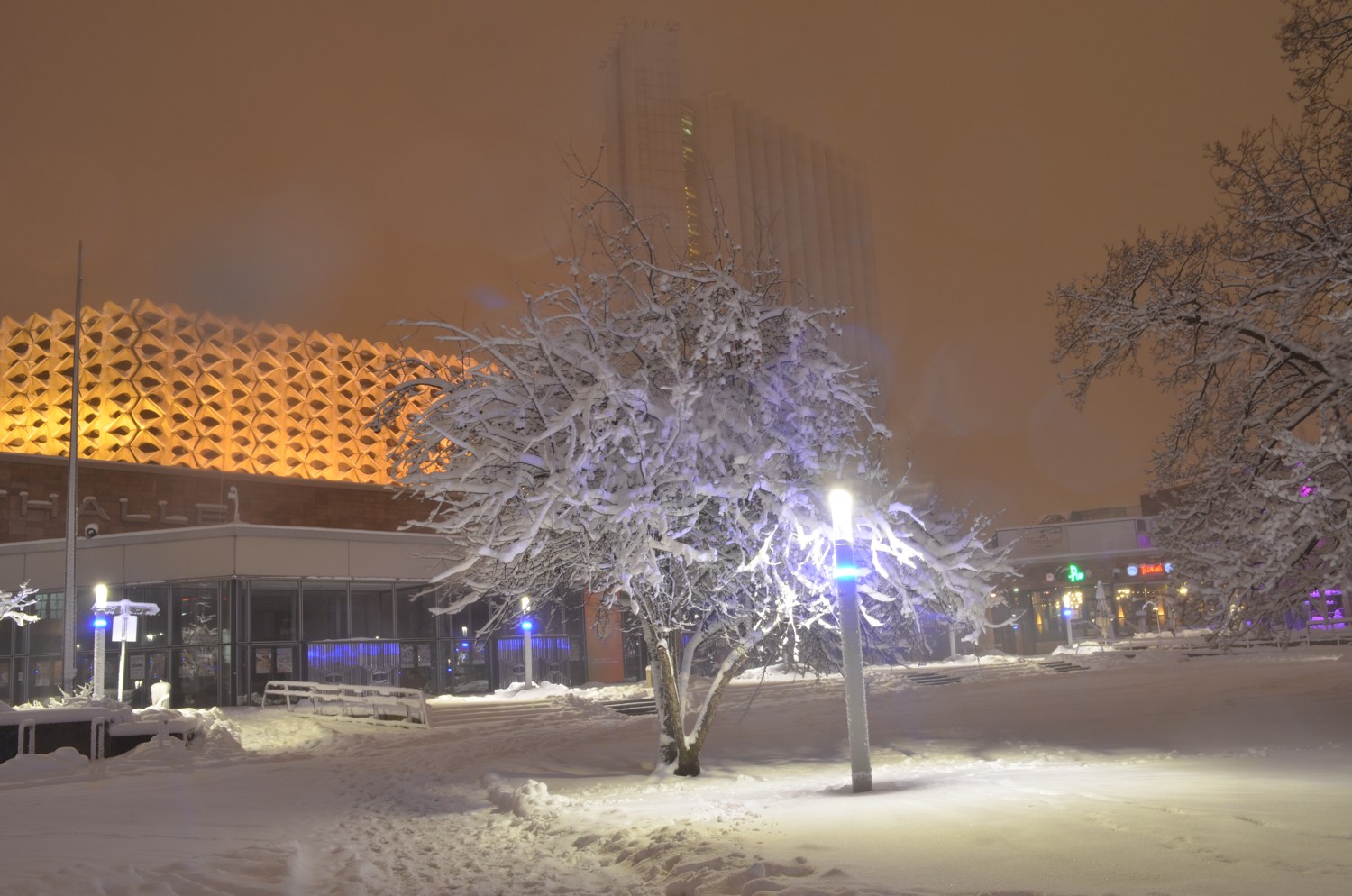
Itineraries
A winter day can pair a shorter outdoor exploration with a longer visit indoors.
Itineraries
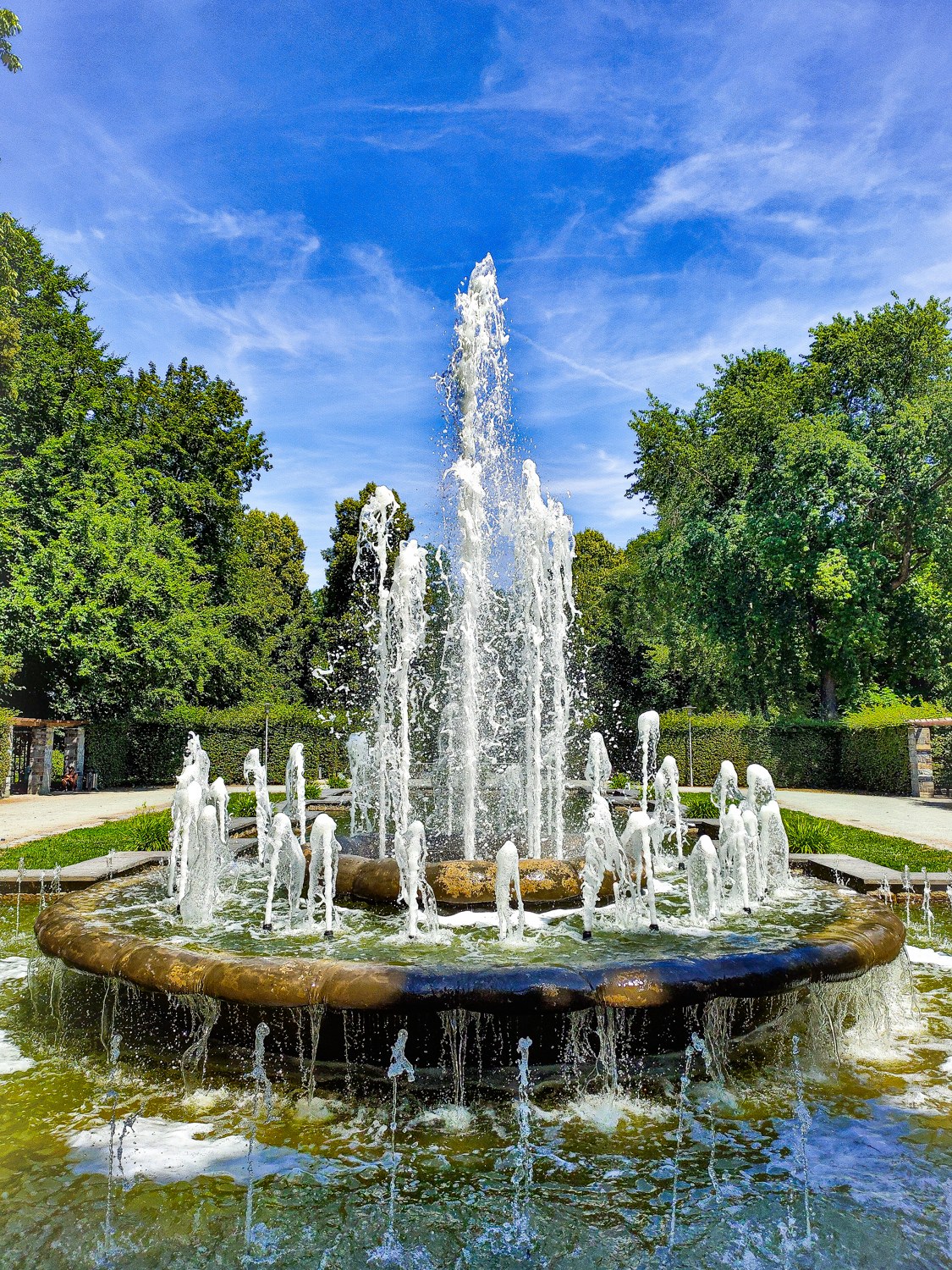
A summer day can combine streets and green spaces when the journeys and breaks fit together.
Itineraries
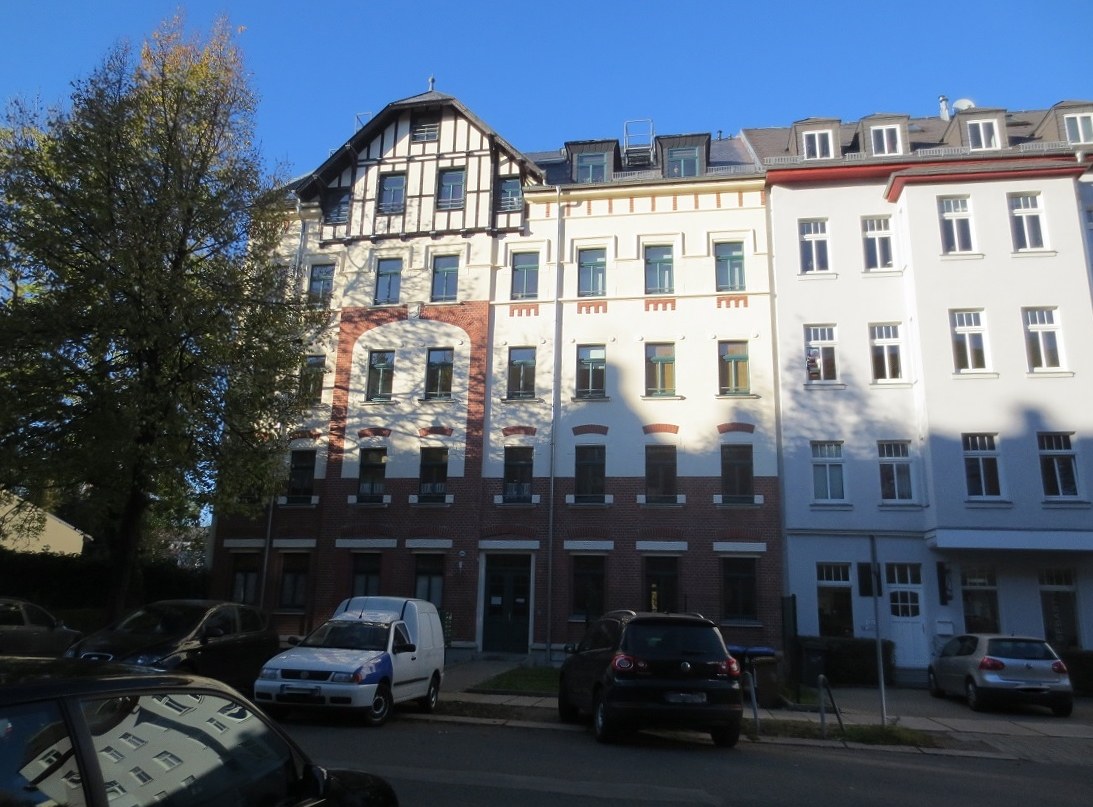
Choosing a visual subject helps individual photographs become a coherent sequence.
Itineraries
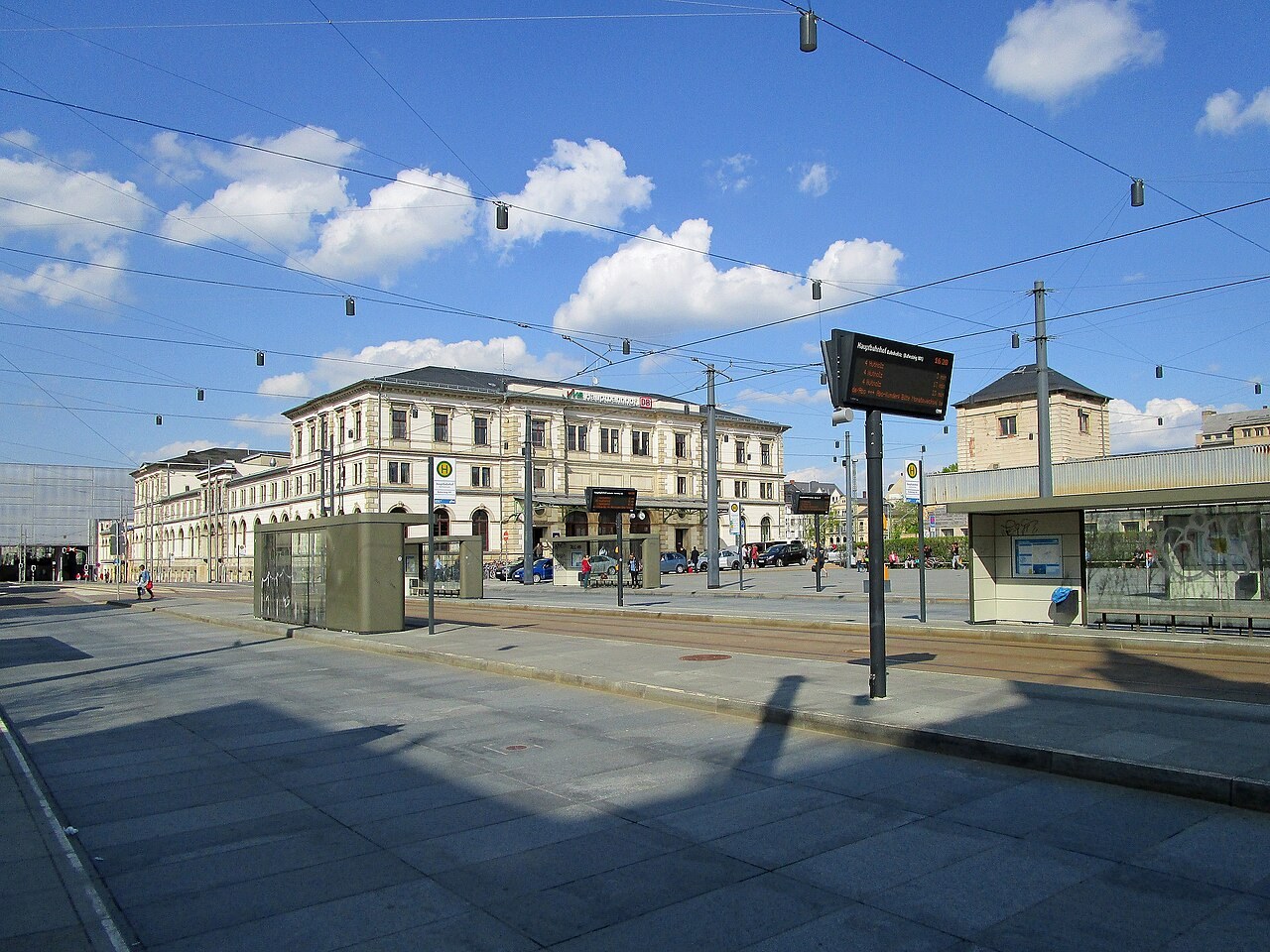
Use the station, Theaterplatz and one central landmark to find your bearings after the journey.
Itineraries
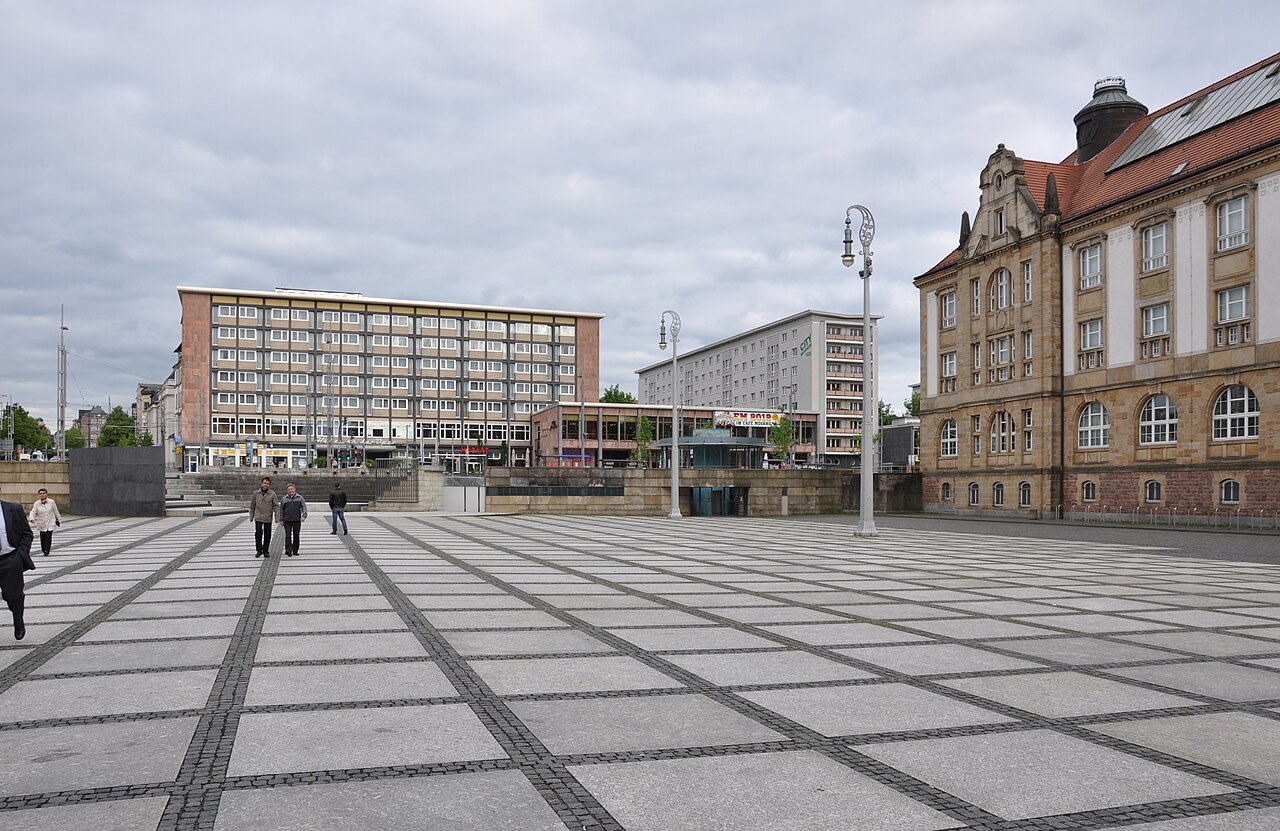
A museum, an outdoor walk and a planned meal give Sunday a shape without relying on shopping hours.
Itineraries
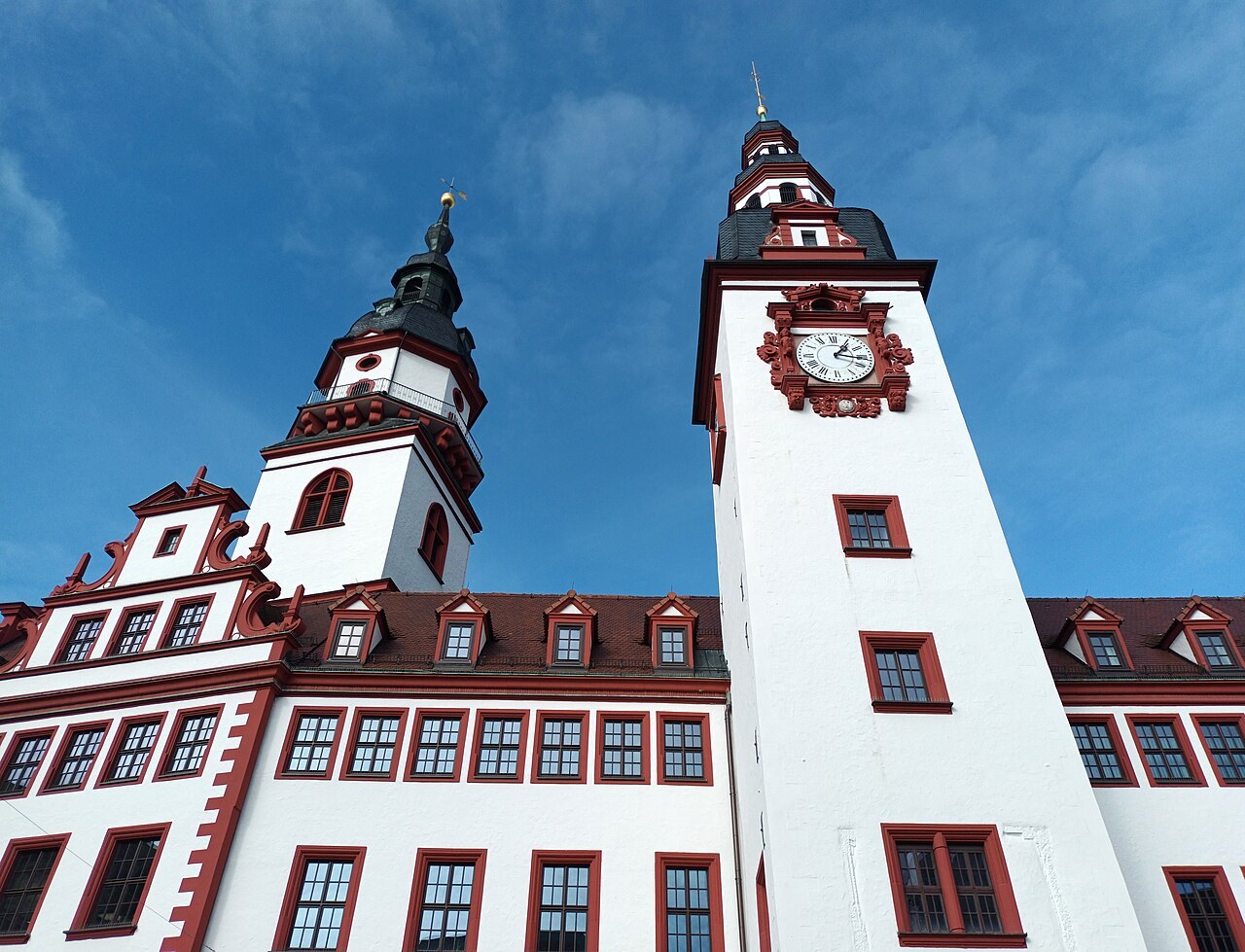
Follow a few contrasting places to see how different periods share the centre of Chemnitz.
Itineraries
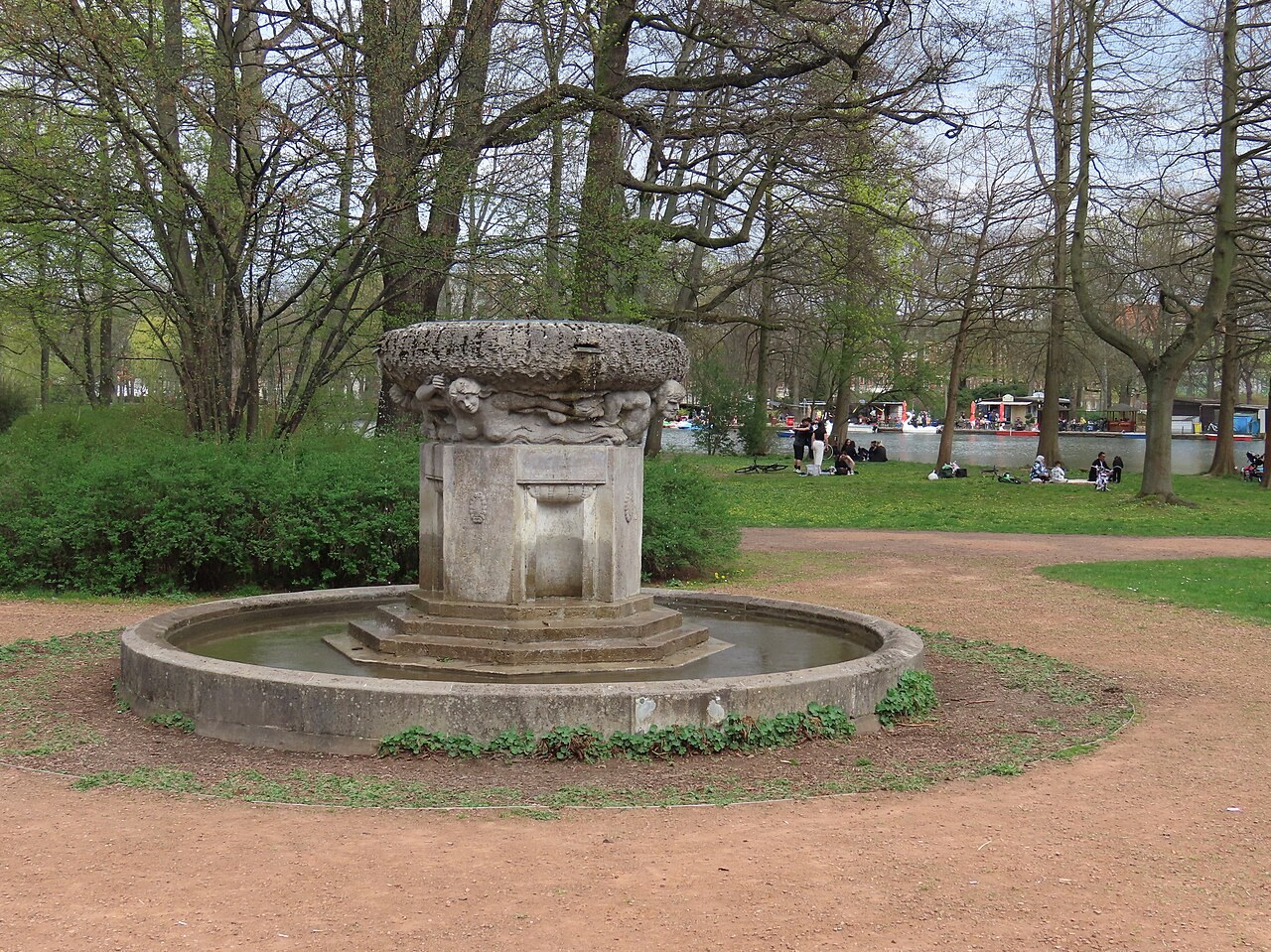
Choose an exhibition first, then add an outdoor break that fits its location and the weather.
Plan your visit
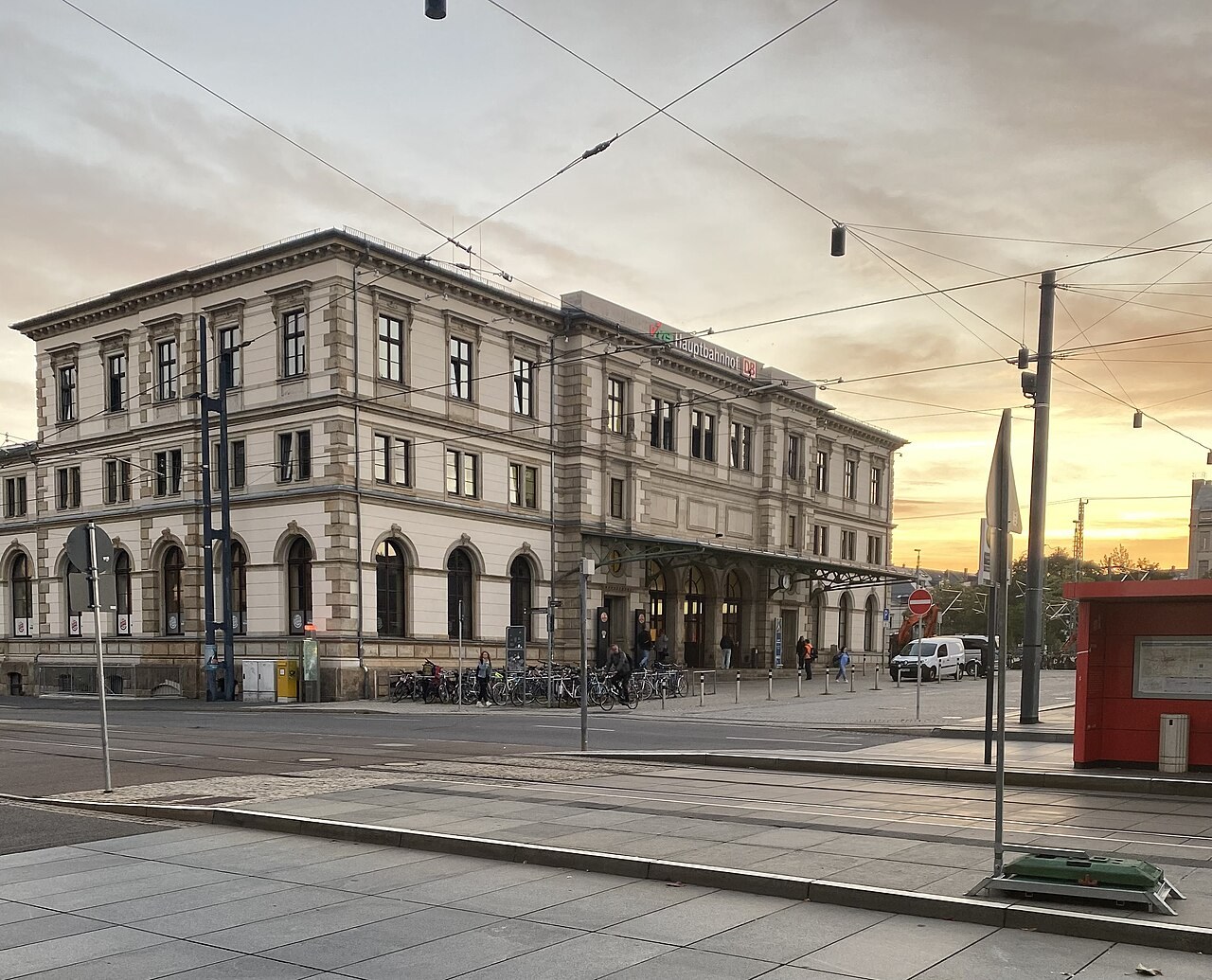
Plan the station as one stage of the journey, with the onward address, luggage and any assistance already considered.
Plan your visit
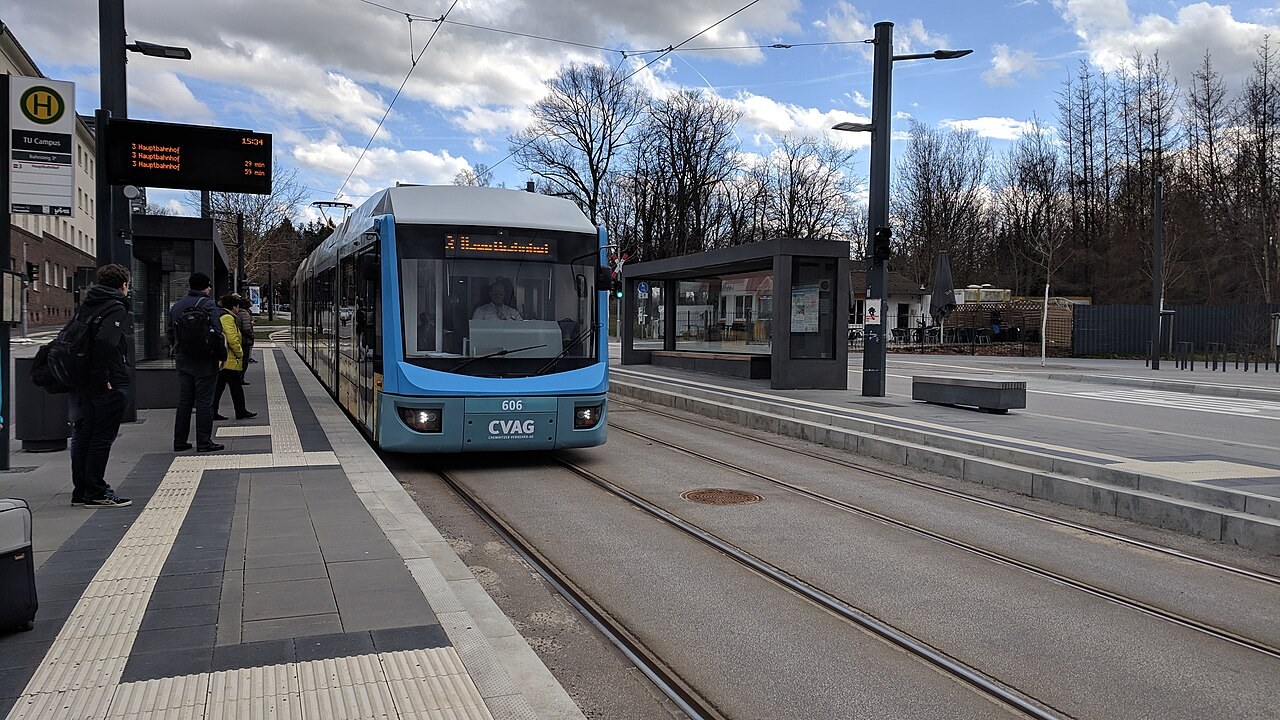
Use the full journey details: destination stop, direction, date and ticket coverage, not just a familiar line number.
Plan your visit
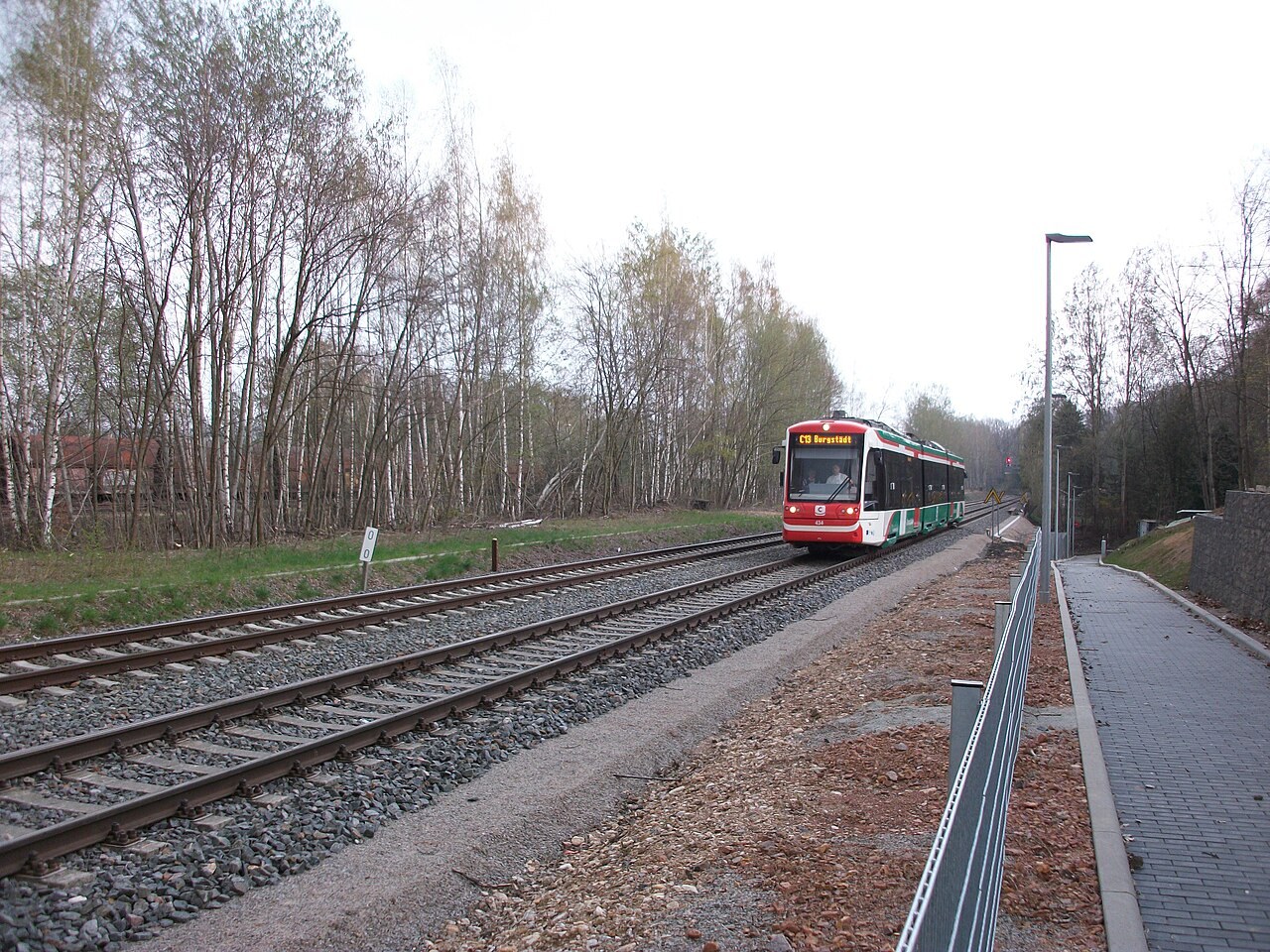
The final walk from the destination station matters as much as the regional train itself.
Plan your visit
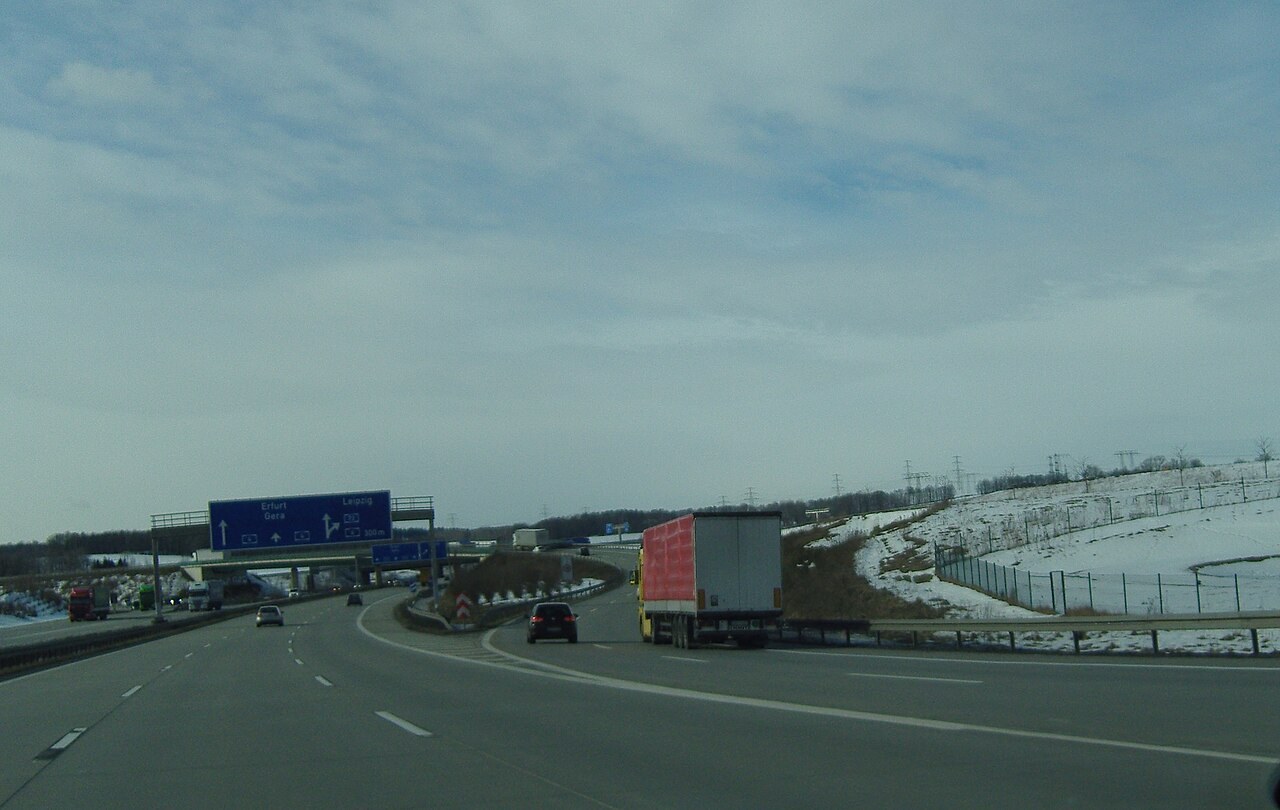
Choose the actual parking entrance and include the walk from the car to your first appointment.
Plan your visit
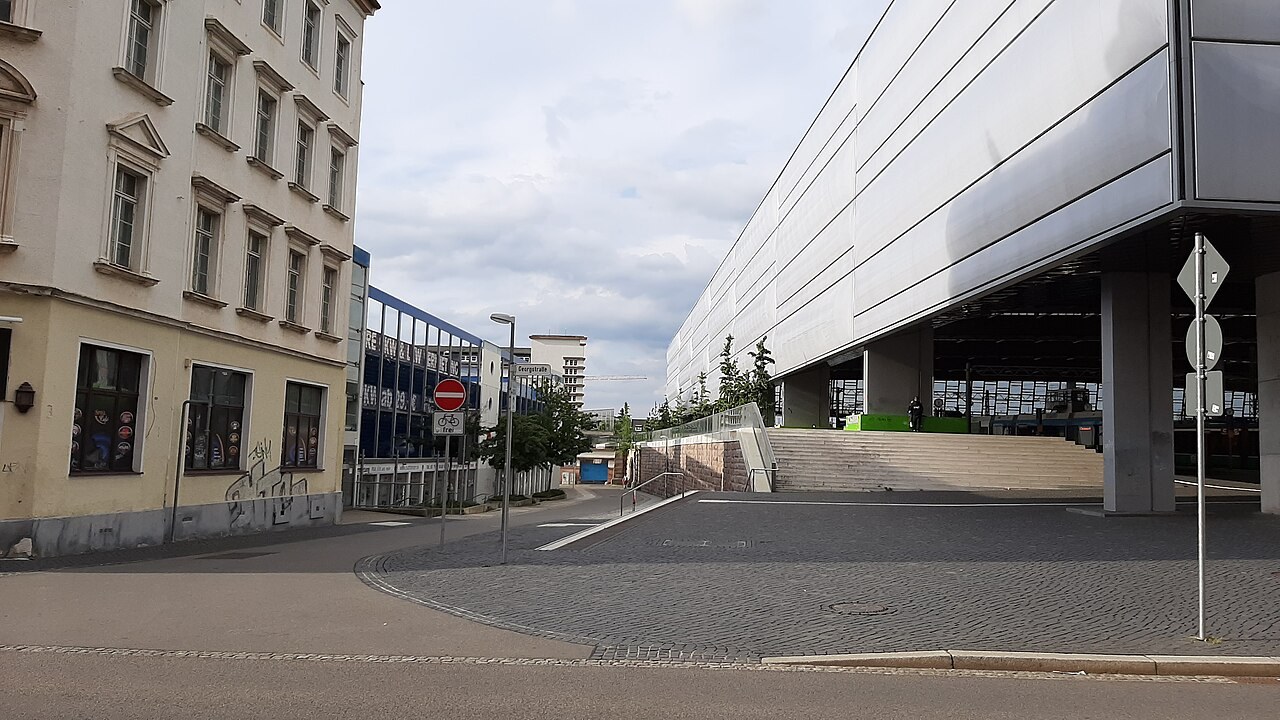
Match parking to the length of the visit, how you will return and the conditions at the actual space.
Plan your visit
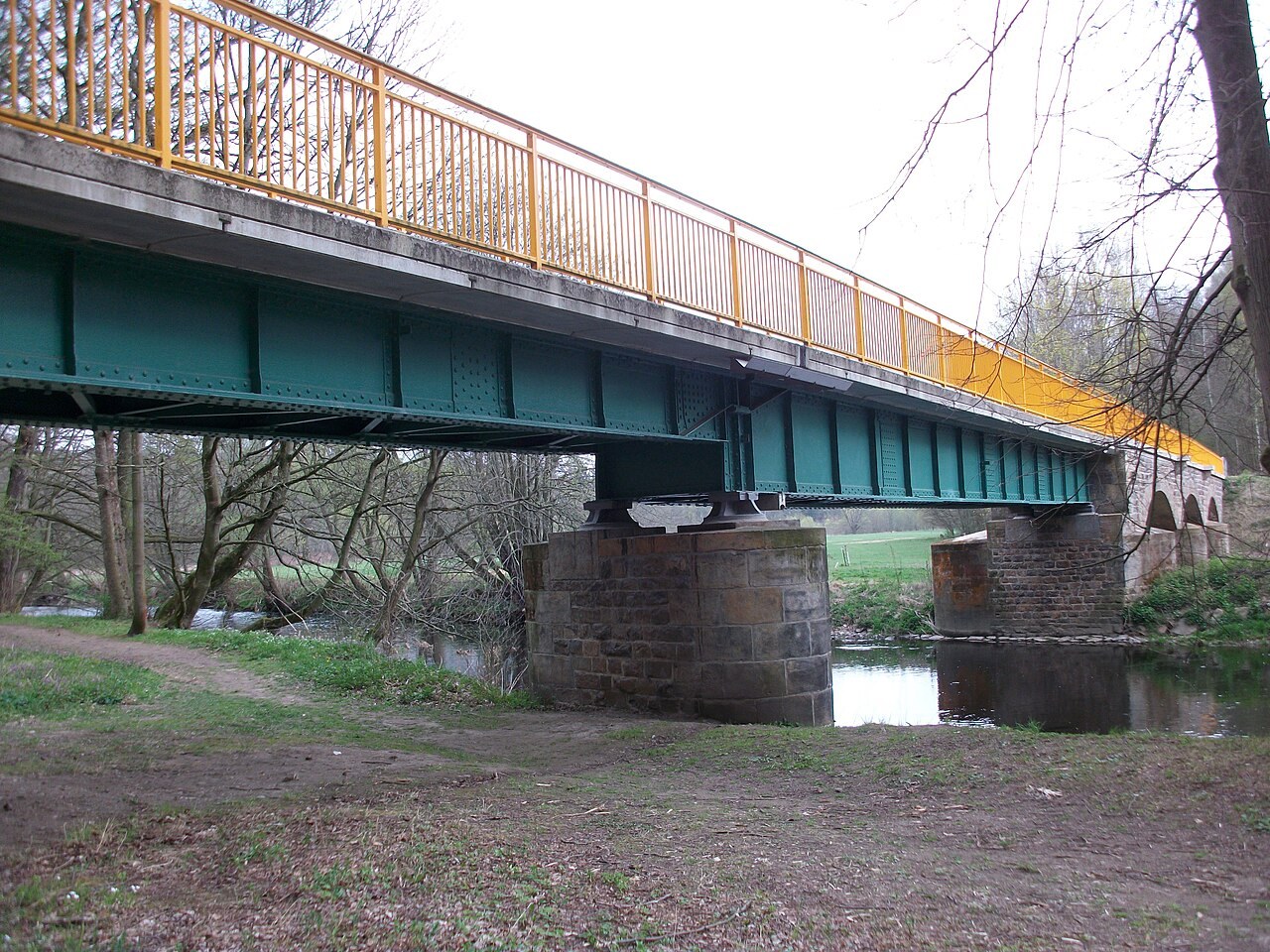
Build the ride around the group’s ability and actual street conditions, rather than a line connecting attractions.
Plan your visit
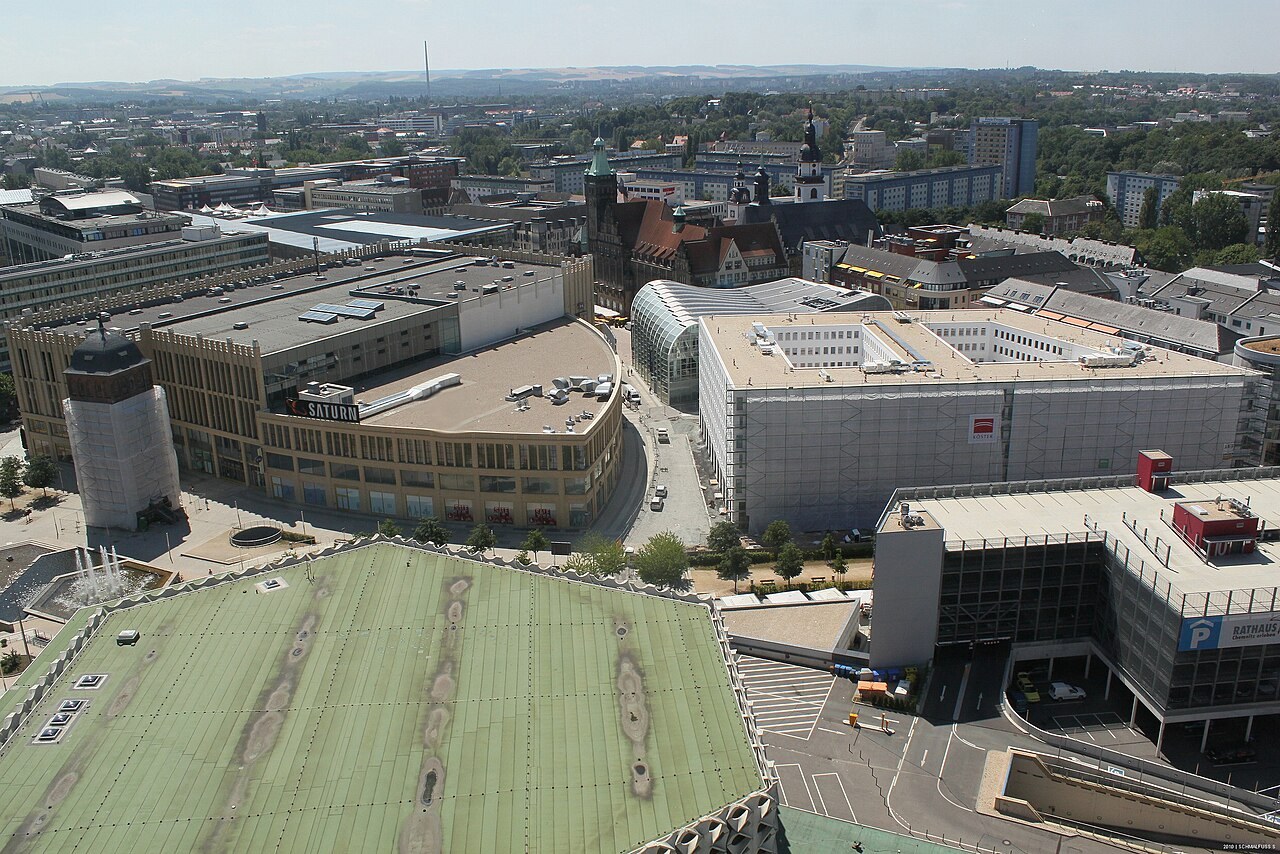
Use a few named places to understand the centre before adding more stops to your map.
Plan your visit
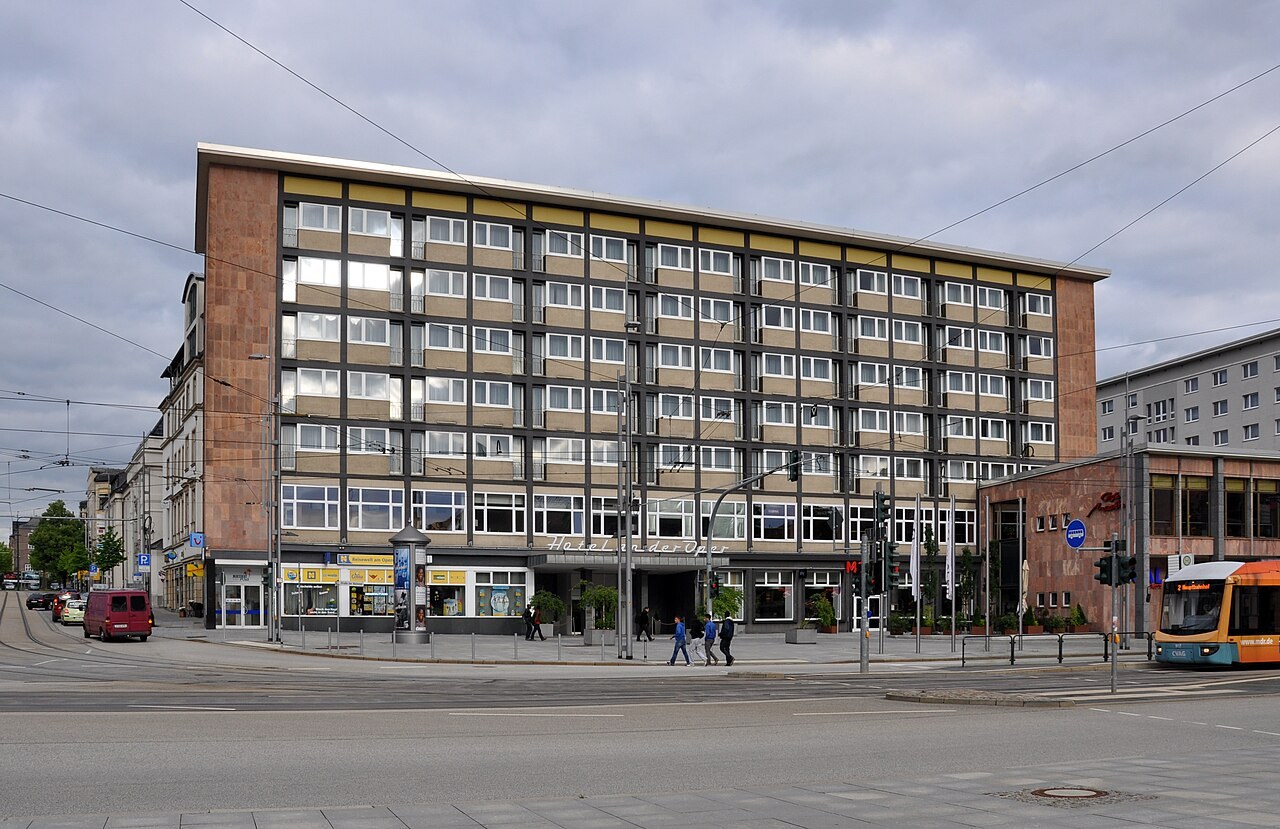
Choose a central address around the journeys you will actually make, especially at night and with luggage.
Plan your visit
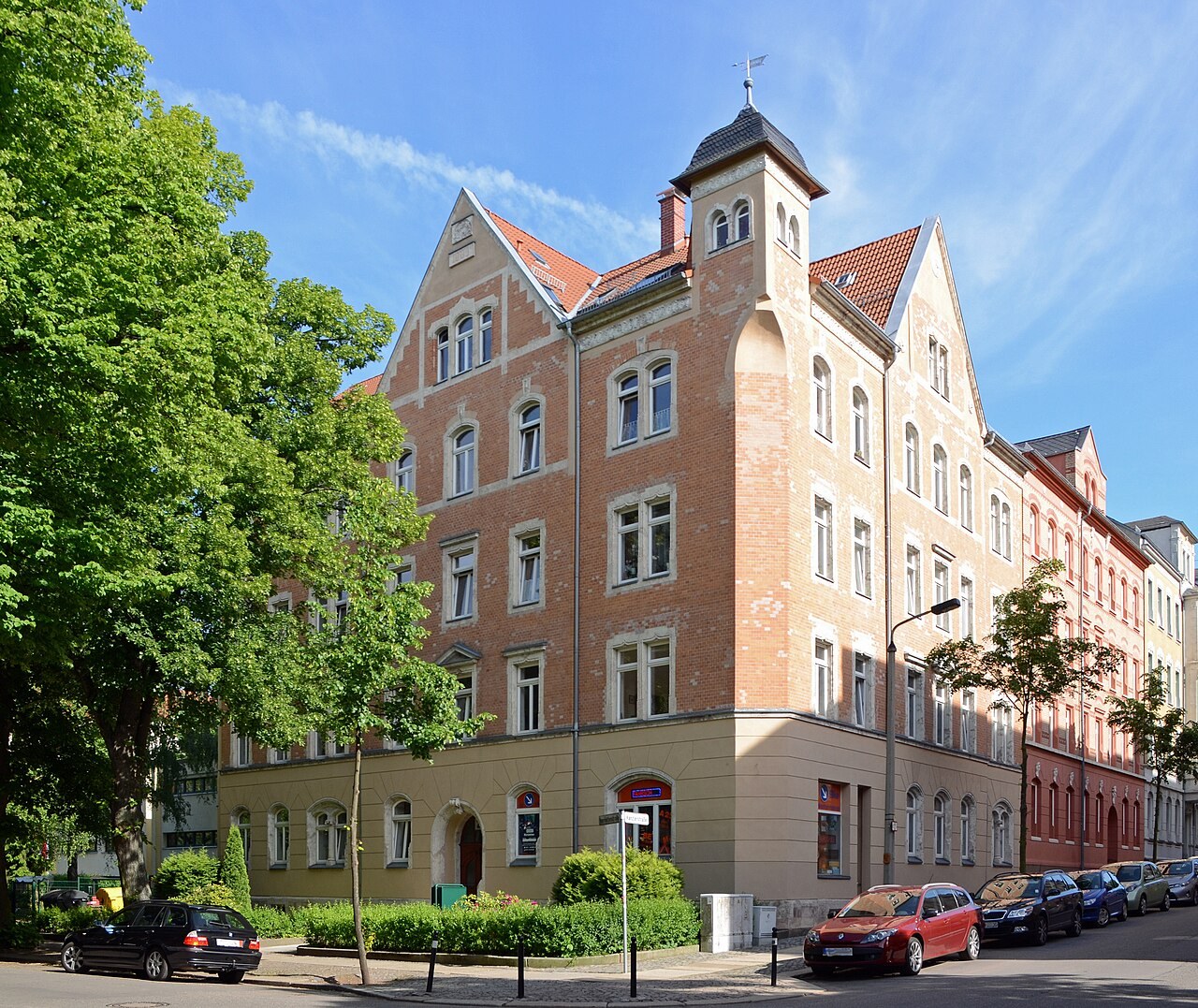
Look at the exact street, repeated journeys and evening connections before choosing a neighbourhood outside the centre.
Plan your visit
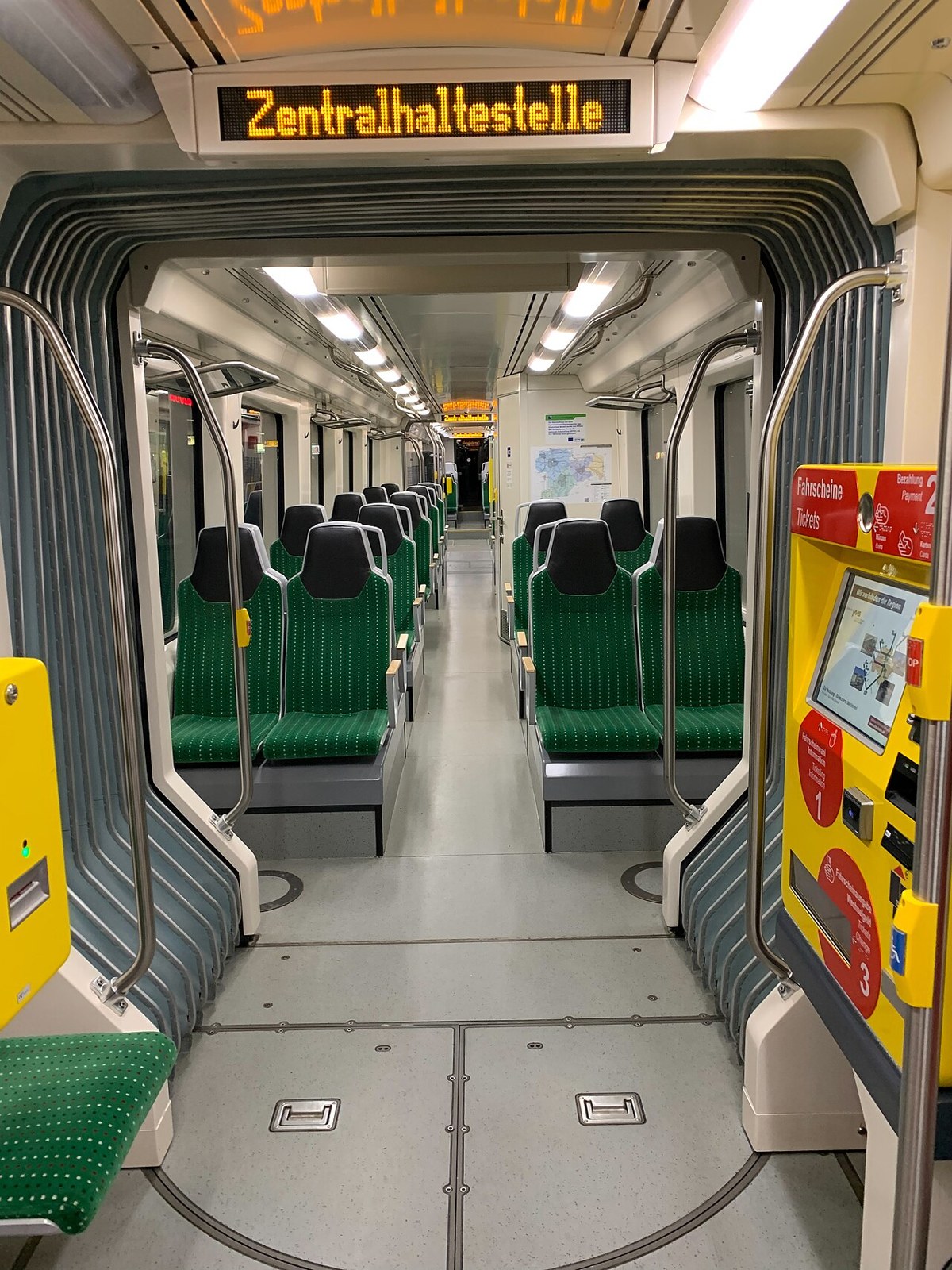
Check the complete chain from arrival to the exhibition, using requirements that are specific to you.
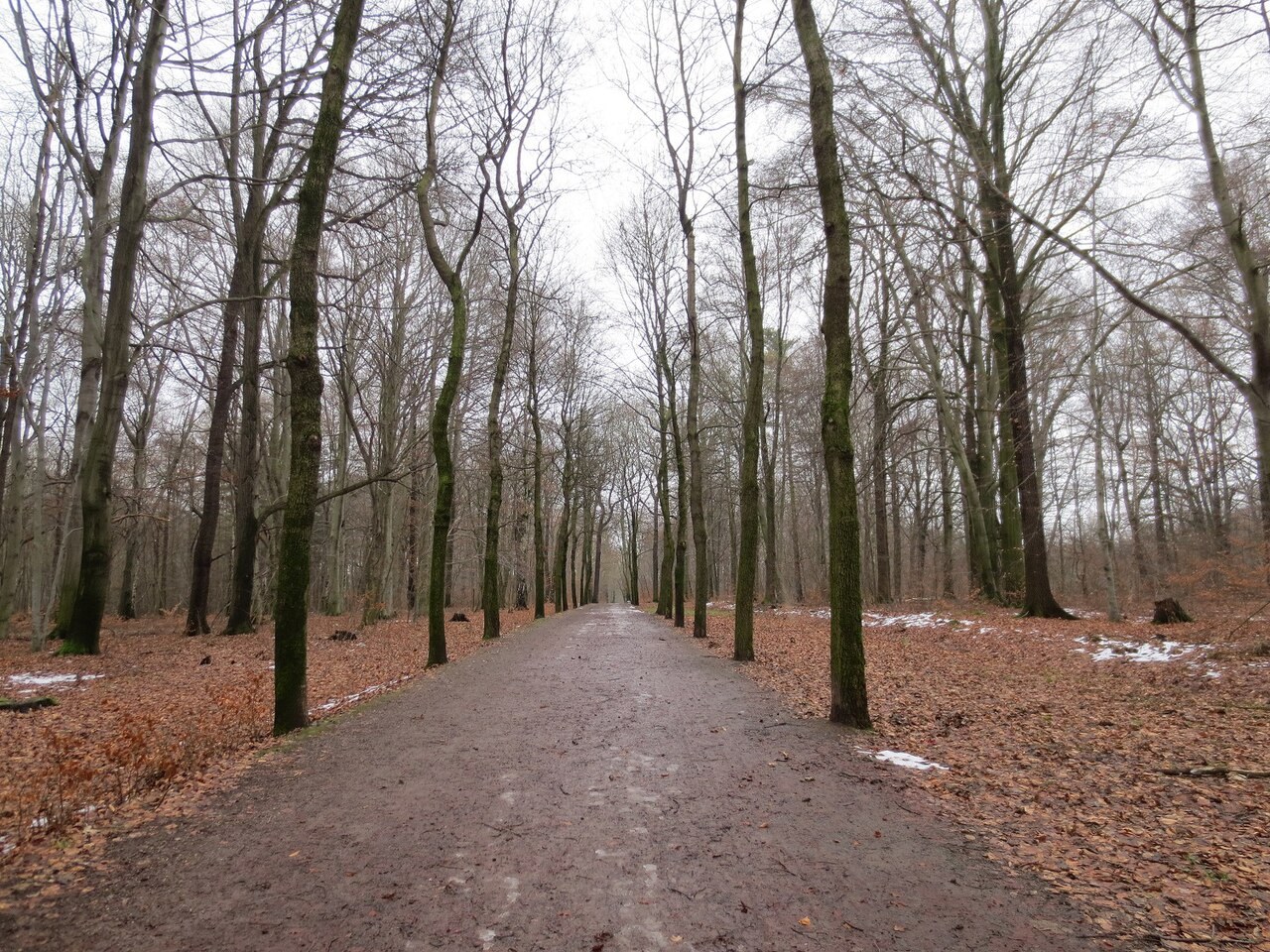
Plan your visit
Choose a small number of connected stops and check entrances, transport and the facilities needed for breaks.
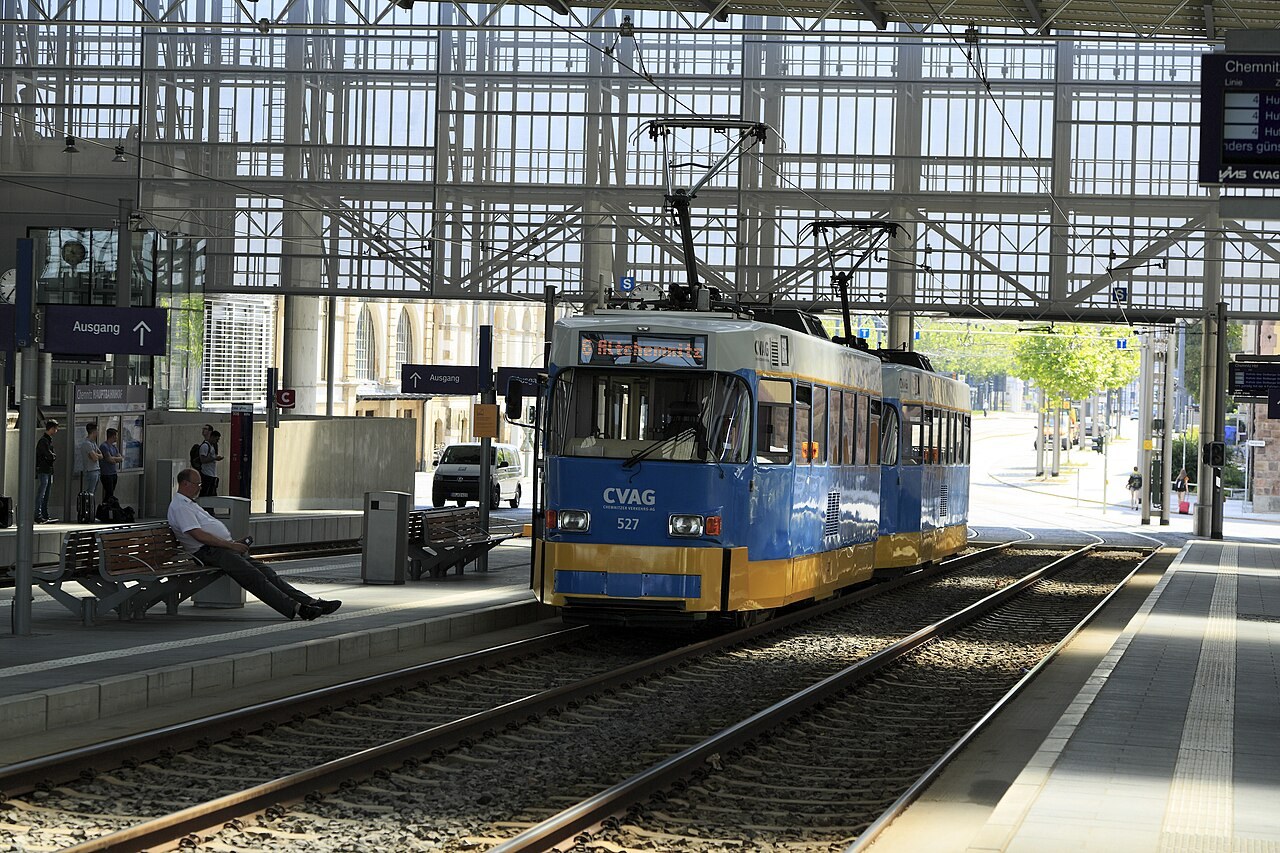
Plan your visit
Confirm where bags can go before planning sightseeing between train arrival and room access.
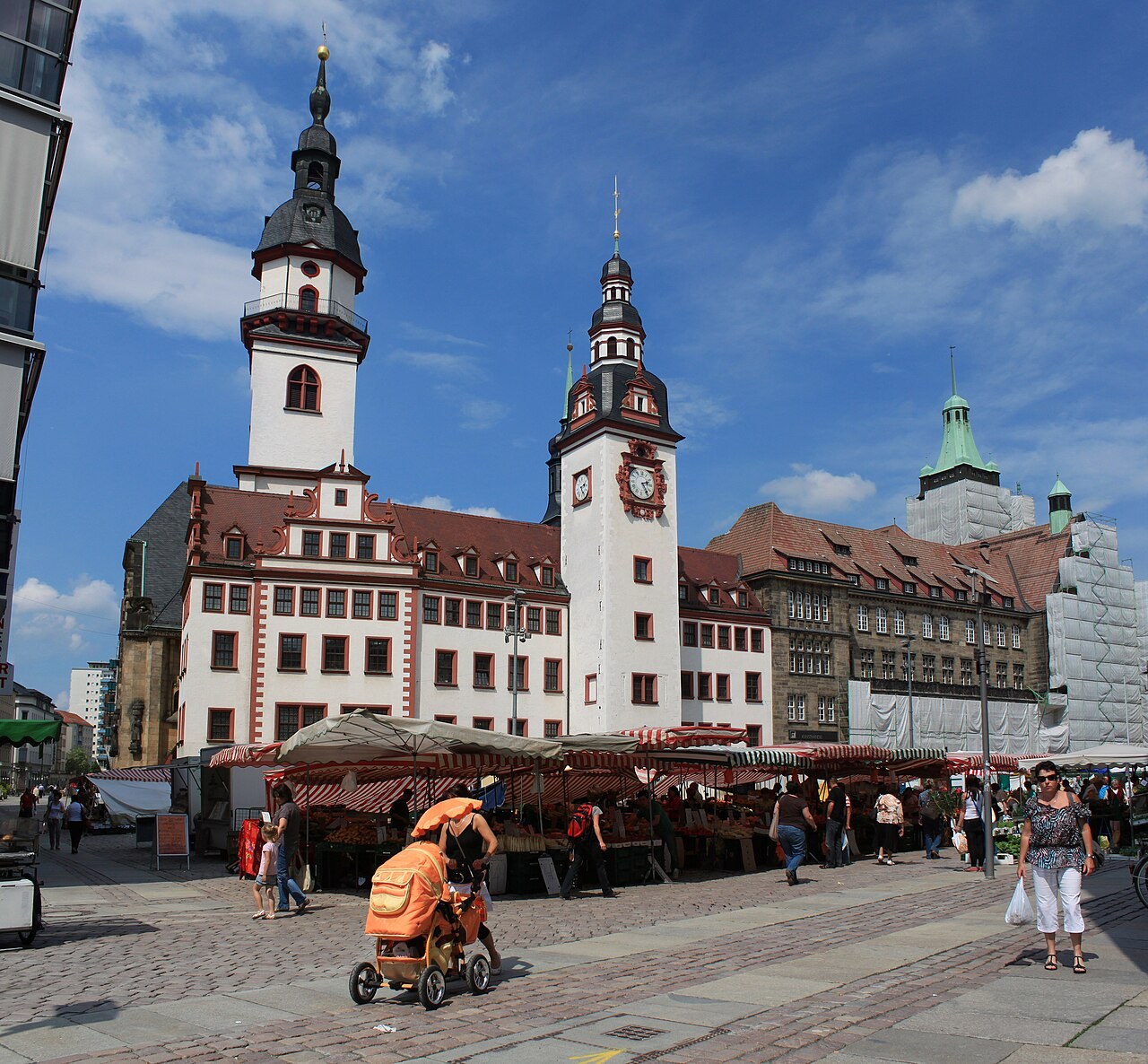
Plan your visit
Bring your available time, interests and route requirements to turn a broad enquiry into a useful plan.
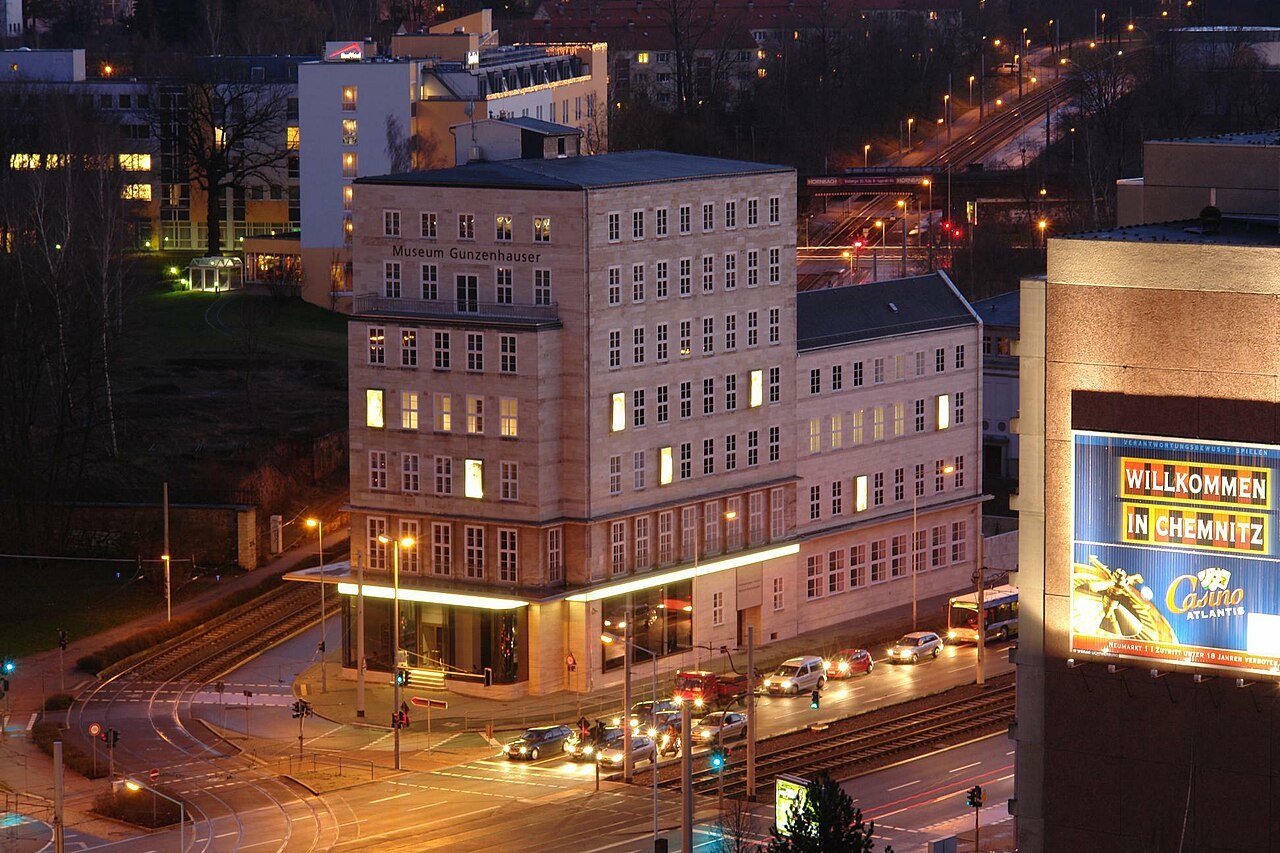
Plan your visit
Check the actual date, last admission and each separate part of the plan, rather than relying on a weekly timetable.
Plan your visit
Book the arrangements that determine the day, then leave enough uncommitted time to connect them.
Plan your visit
Separate committed costs from choices you will make during the day, then leave room for food and changes.
Day trips
Give the outing a main subject—music, motoring history or the old centre—rather than trying to fit every museum into one day.
Day trips
Use the two main squares to frame a day with either the cathedral or terra mineralia as its main focus.
Day trips
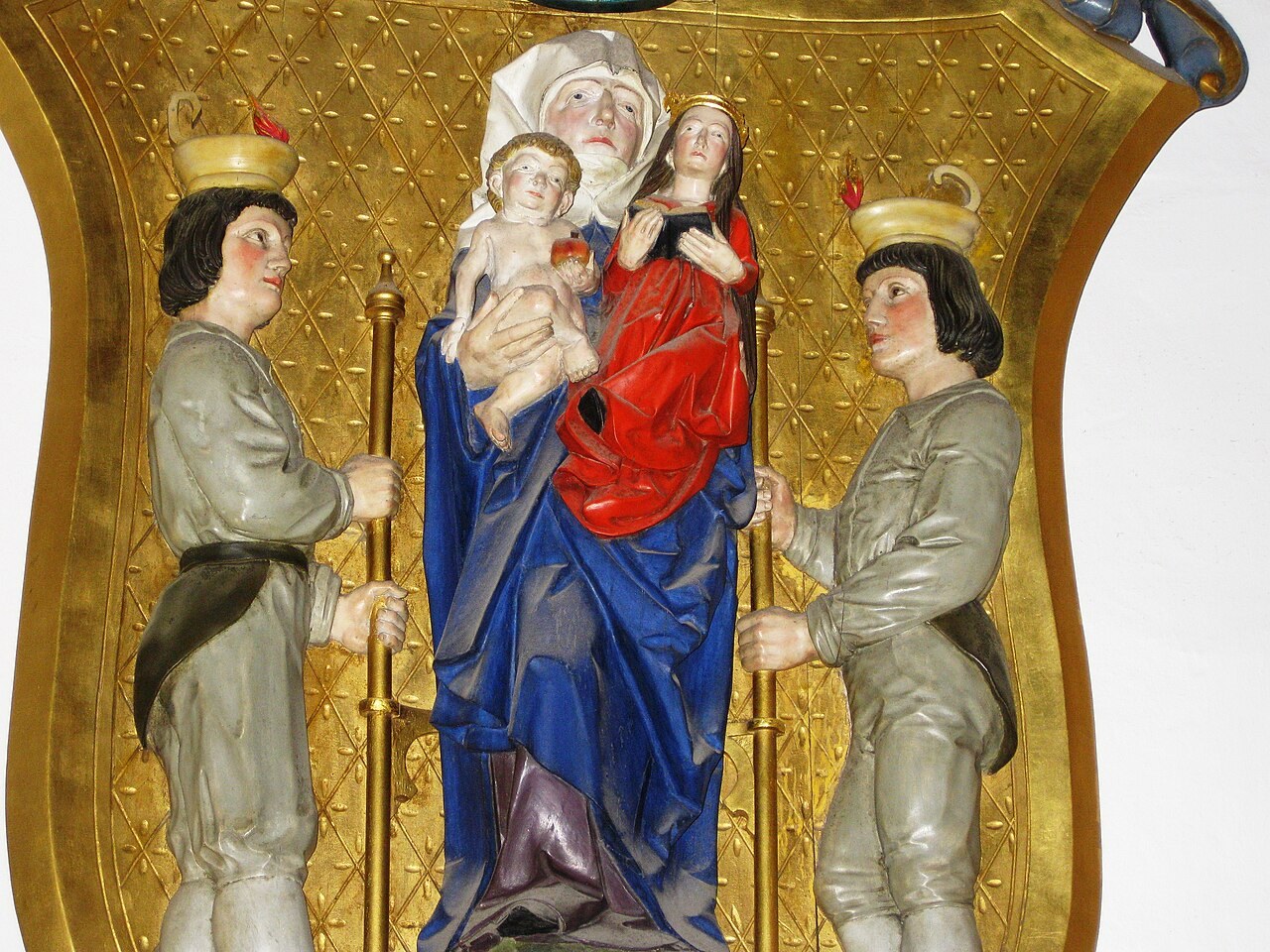
Make St Anne’s Church the centre of the day, with time for the old town and the approach between stops.
Day trips
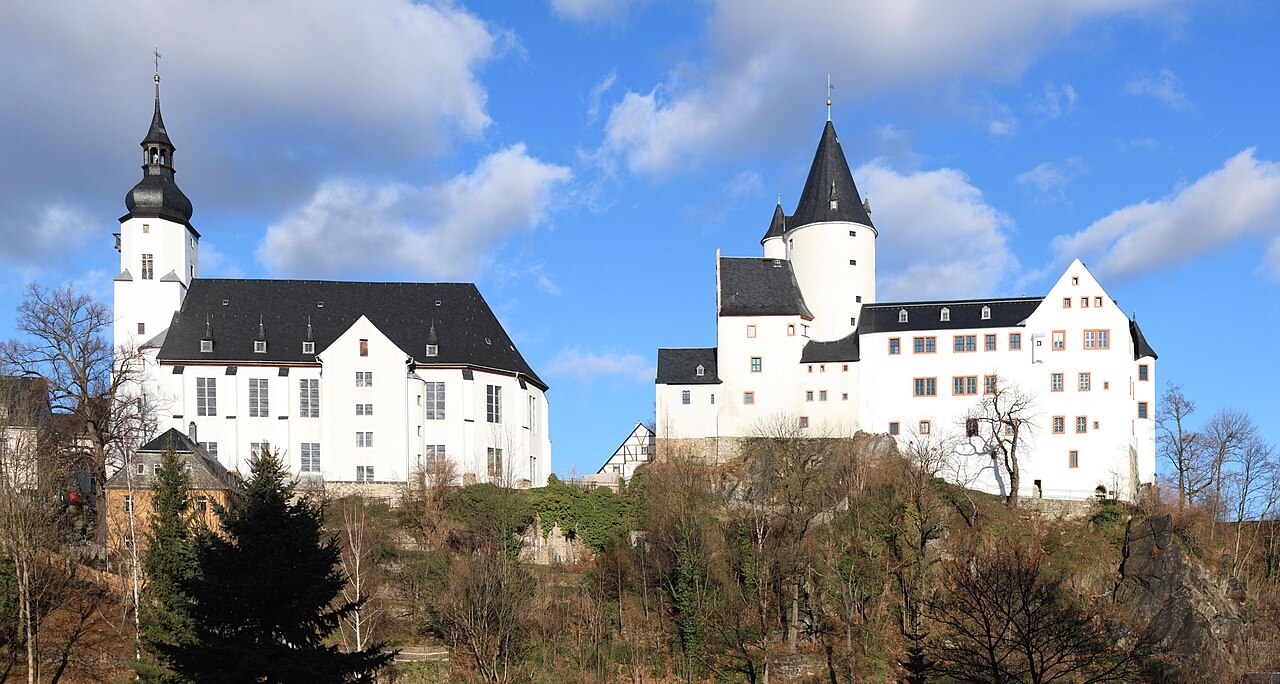
Use the castle, church and old town as a connected visit, while allowing for the approach and changes in level.
Day trips
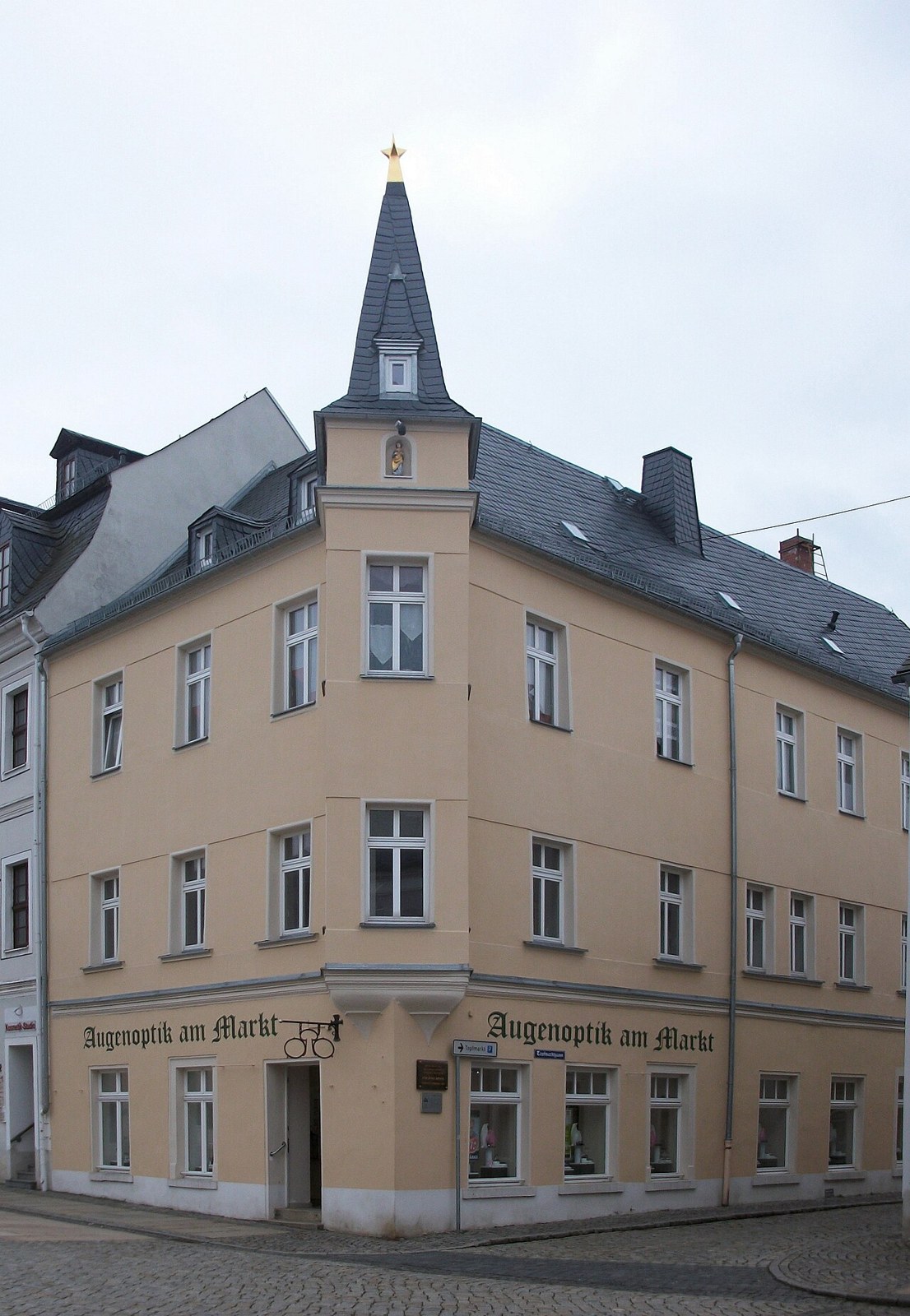
Use the market square and the museum of miners’ folk art to connect the townscape with the region’s material culture.
Day trips
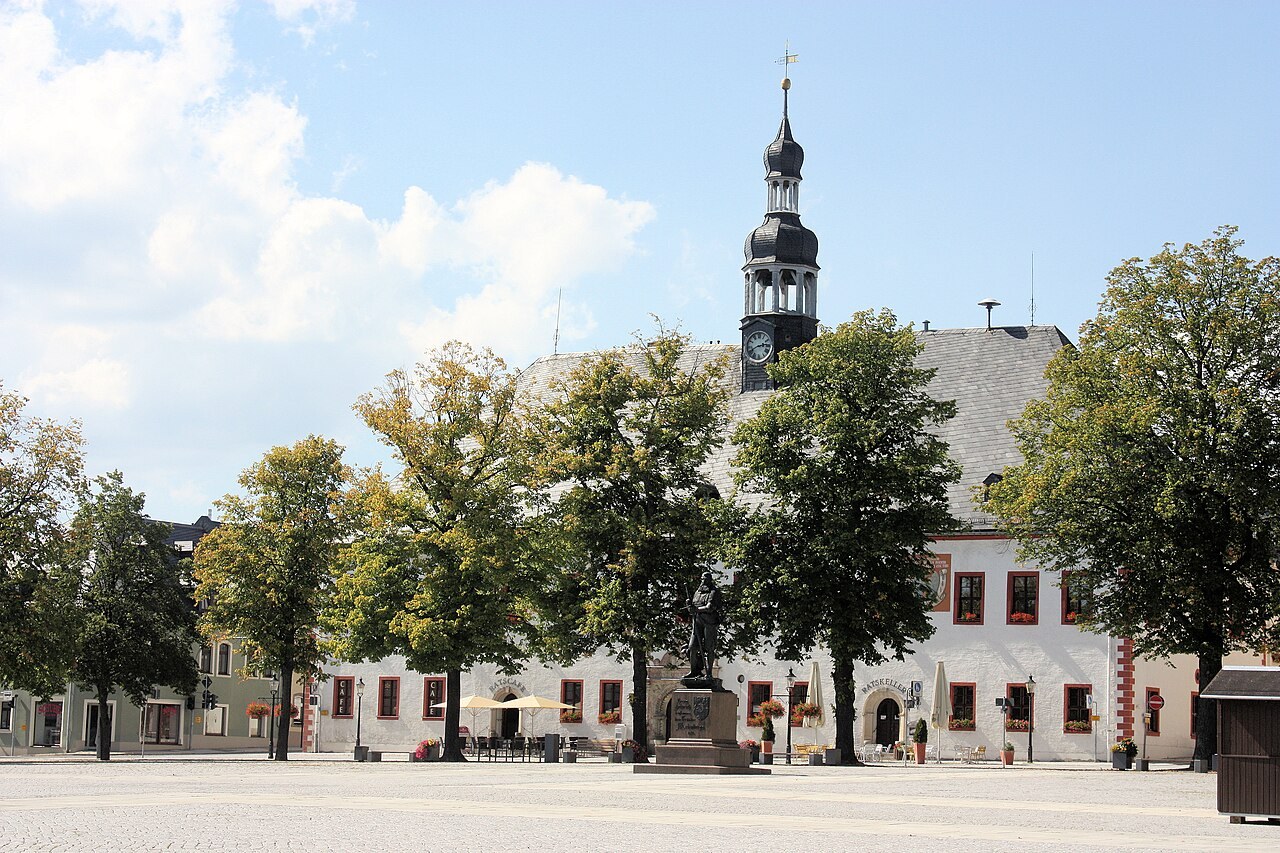
Look at the arrangement of streets and the market square as part of the attraction, rather than only at individual buildings.
Day trips
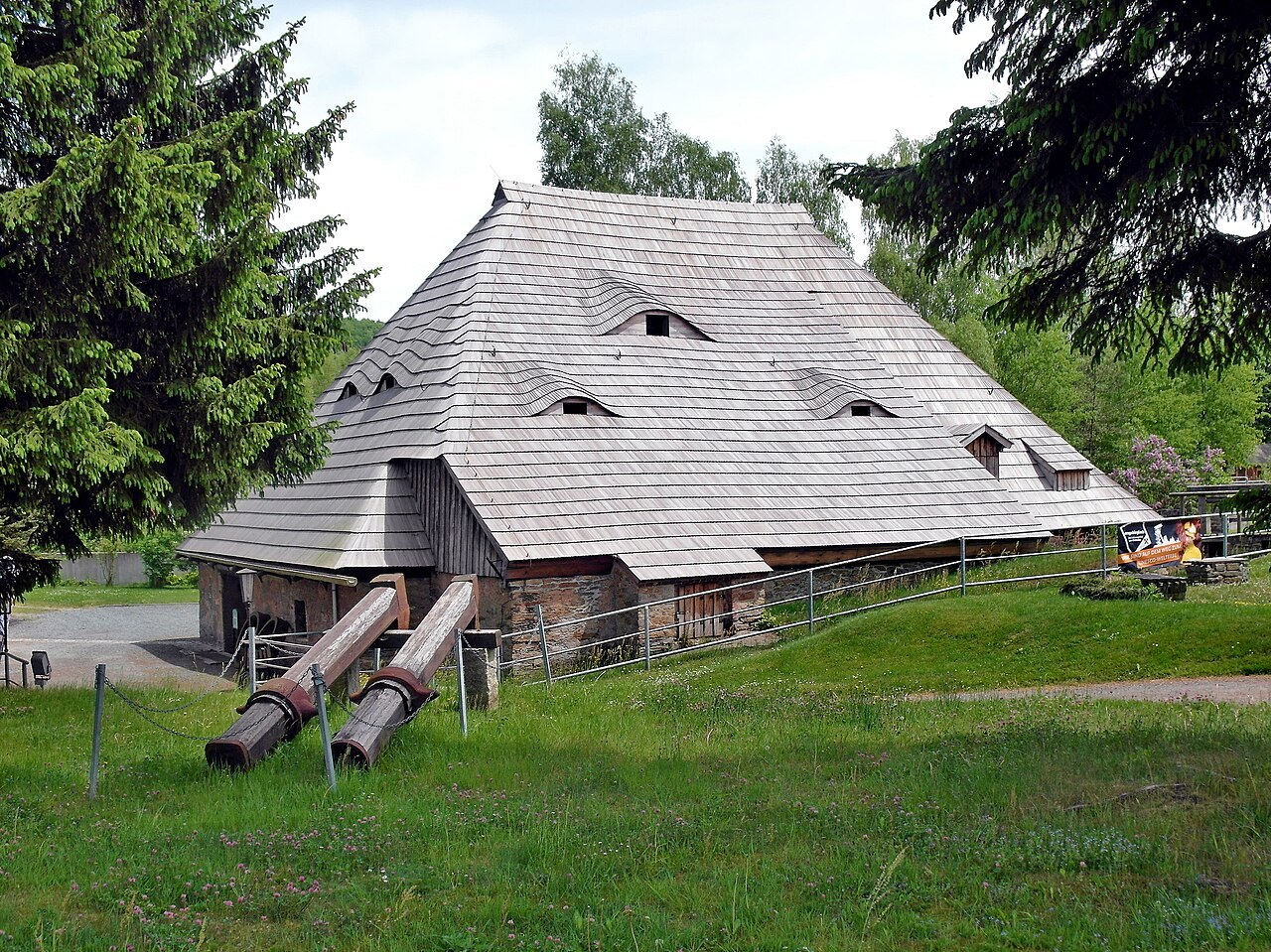
Treat the Saigerhütte as a connected place of metal processing, with buildings and working methods explaining one another.
Day trips
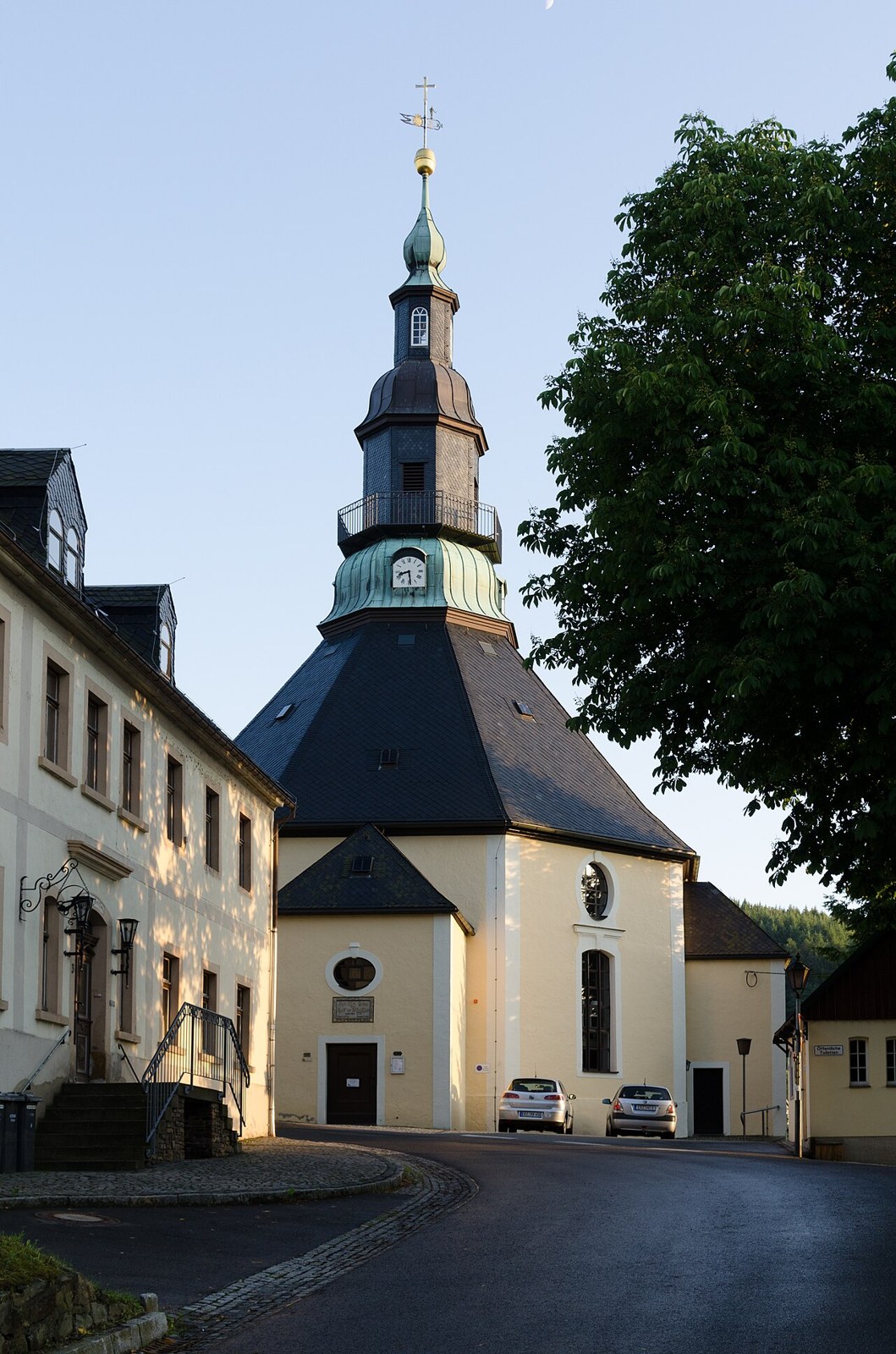
Separate museum interpretation, craft processes and shopping so that each part of Seiffen has a clear purpose.
Day trips
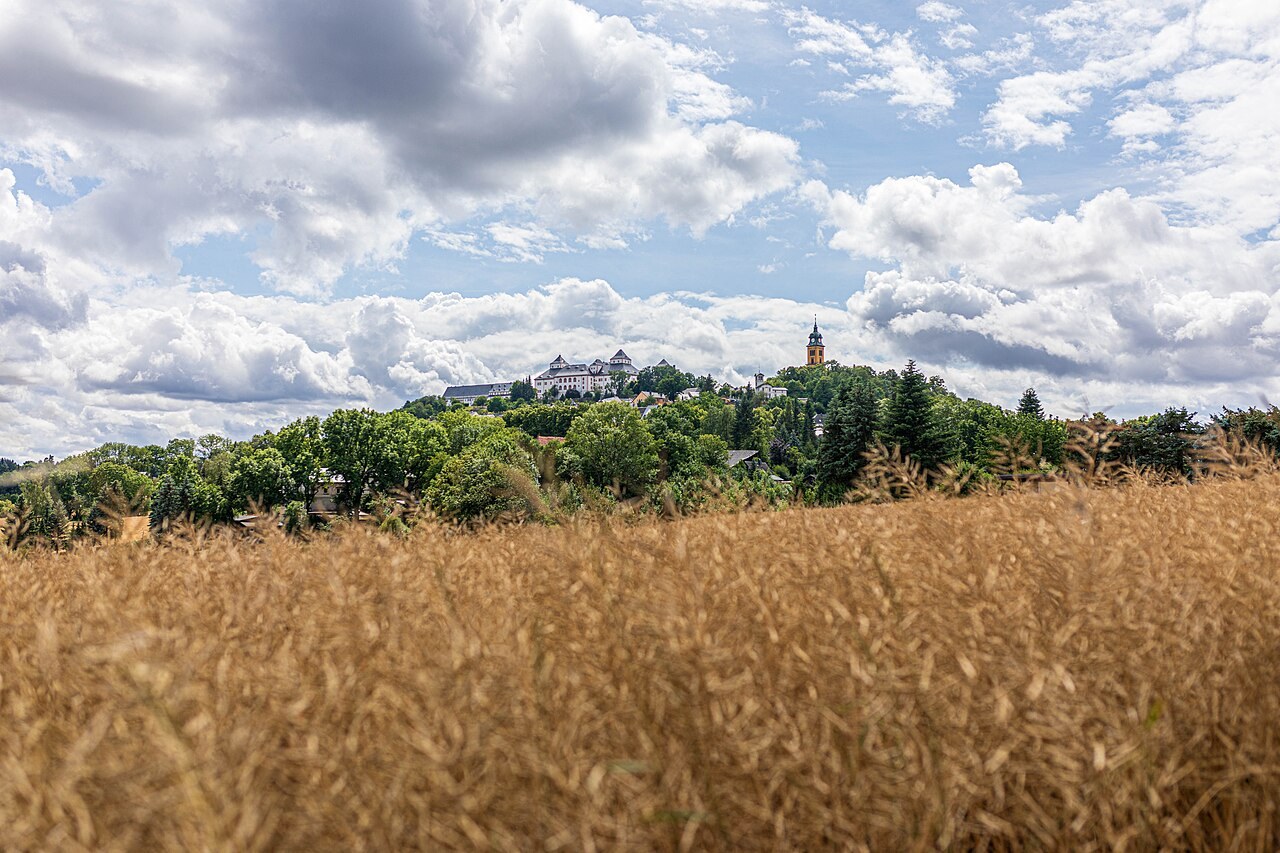
Choose a particular exhibition or tour, then leave room to understand the hunting lodge in its landscape and town setting.
Day trips
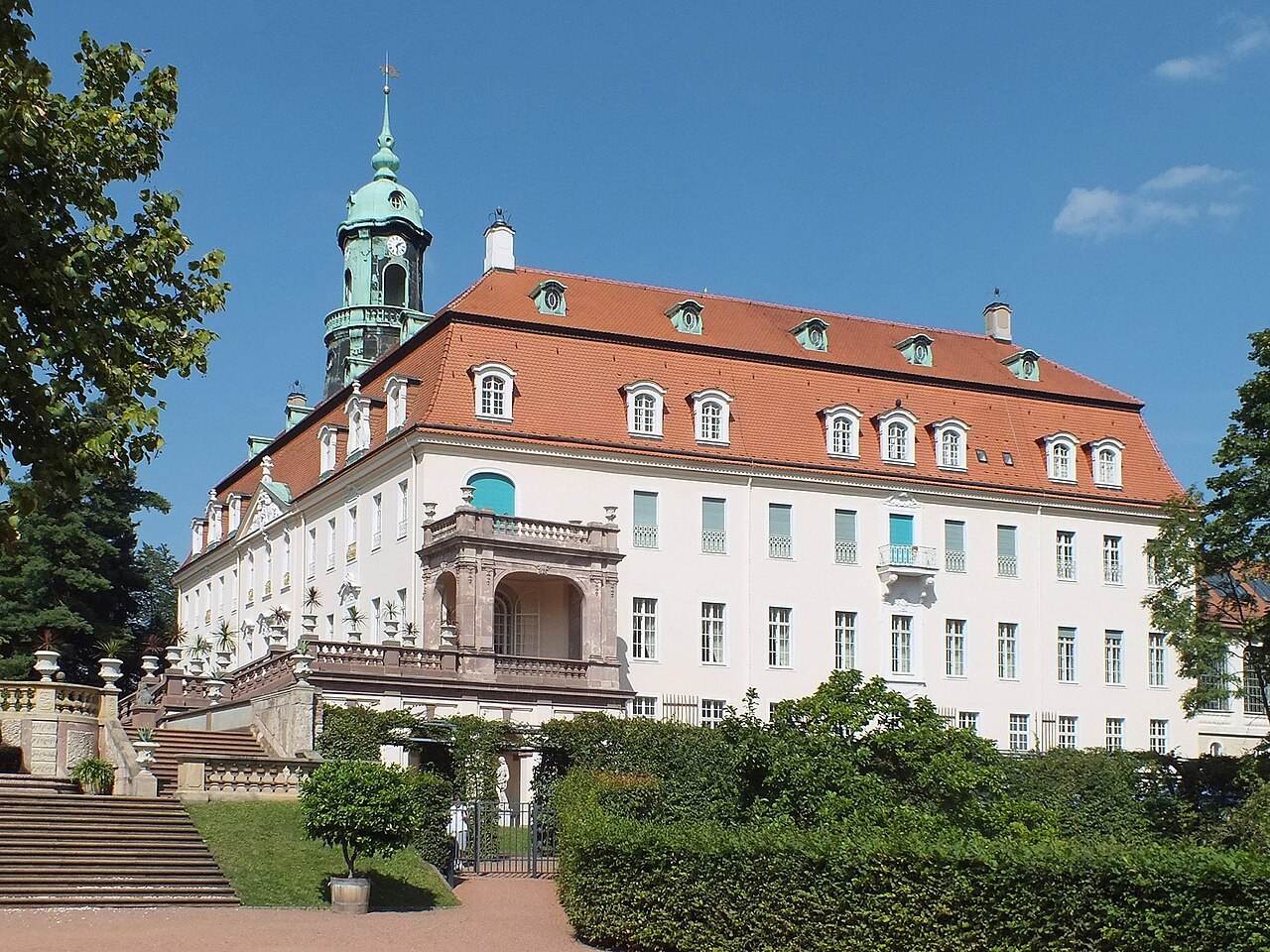
Treat the designed garden as a substantial part of the day, and choose any indoor visit around the actual conditions.
Day trips
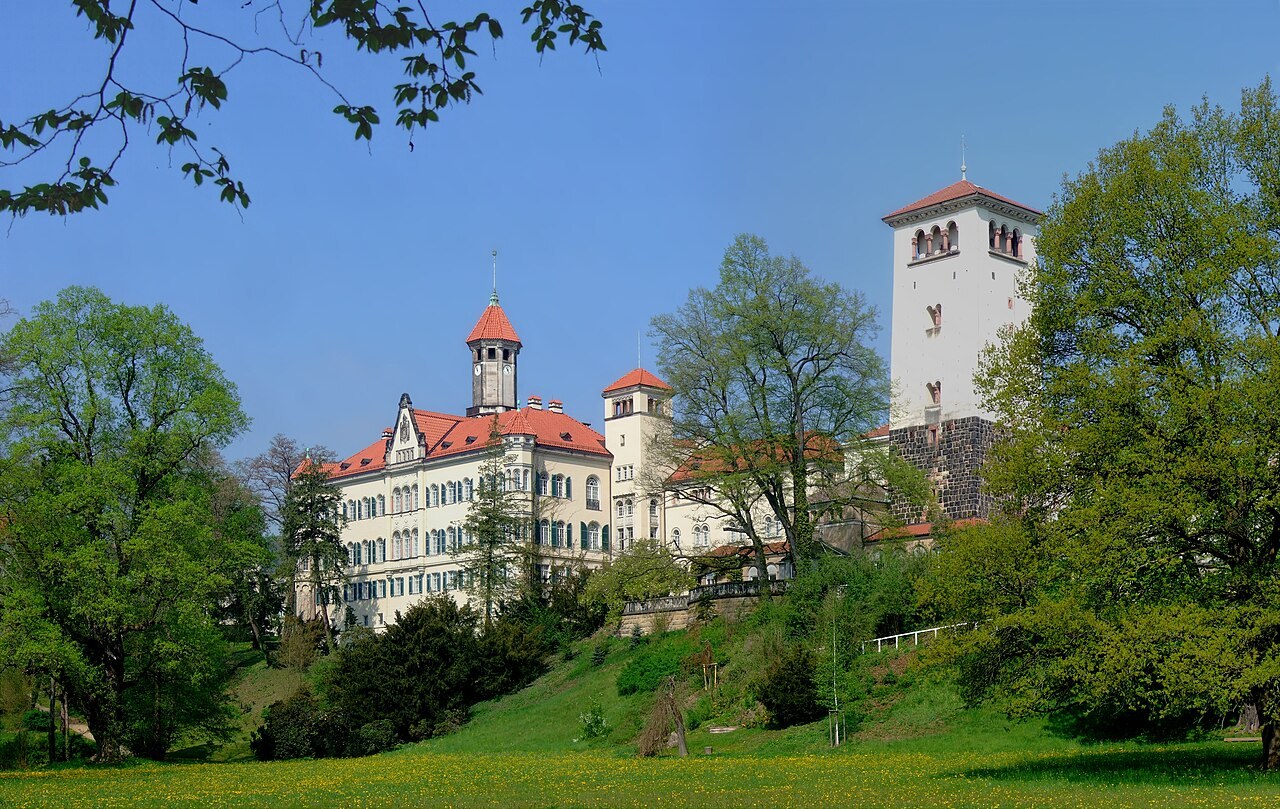
Choose the Saxon town, then connect a palace visit with a modest walk through the surrounding streets.
Day trips
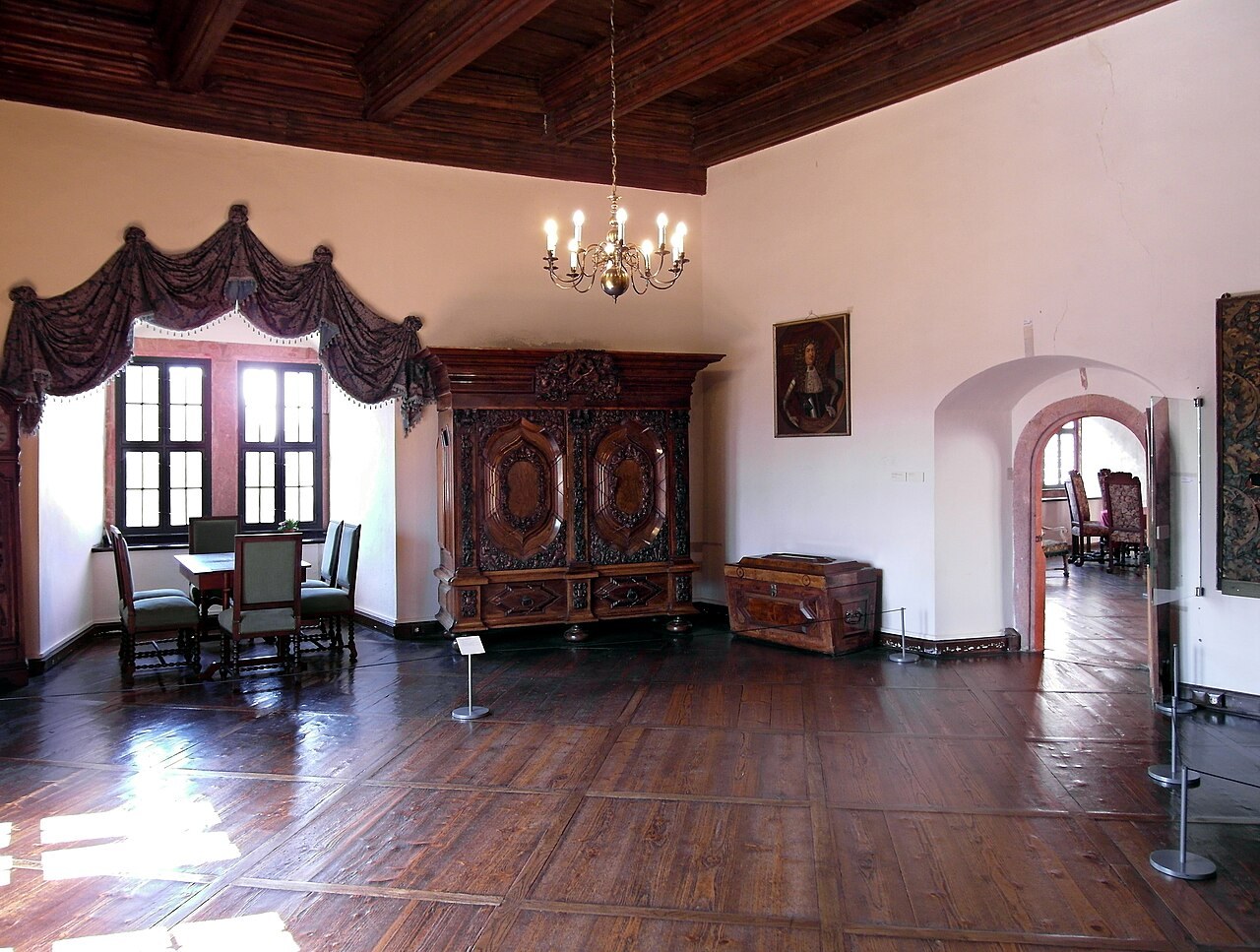
The costume exhibition gives Rochsburg a particular subject; a valley walk is an optional, separately planned addition.
Day trips
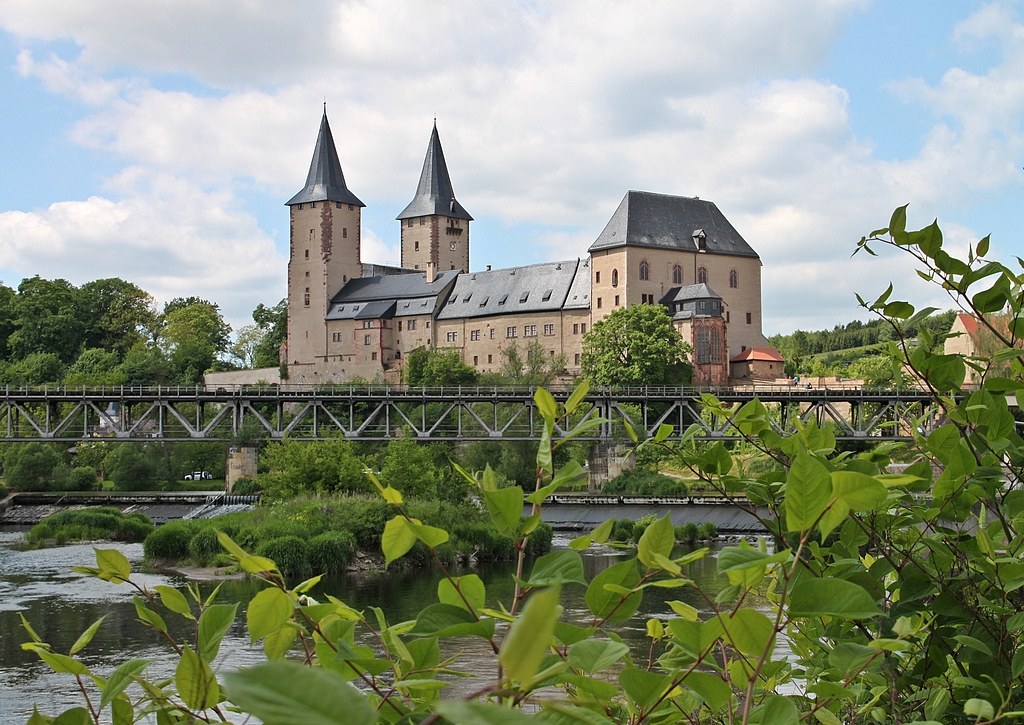
Use the castle exhibition for historical depth and a shorter town walk to understand its position above the river.
Day trips
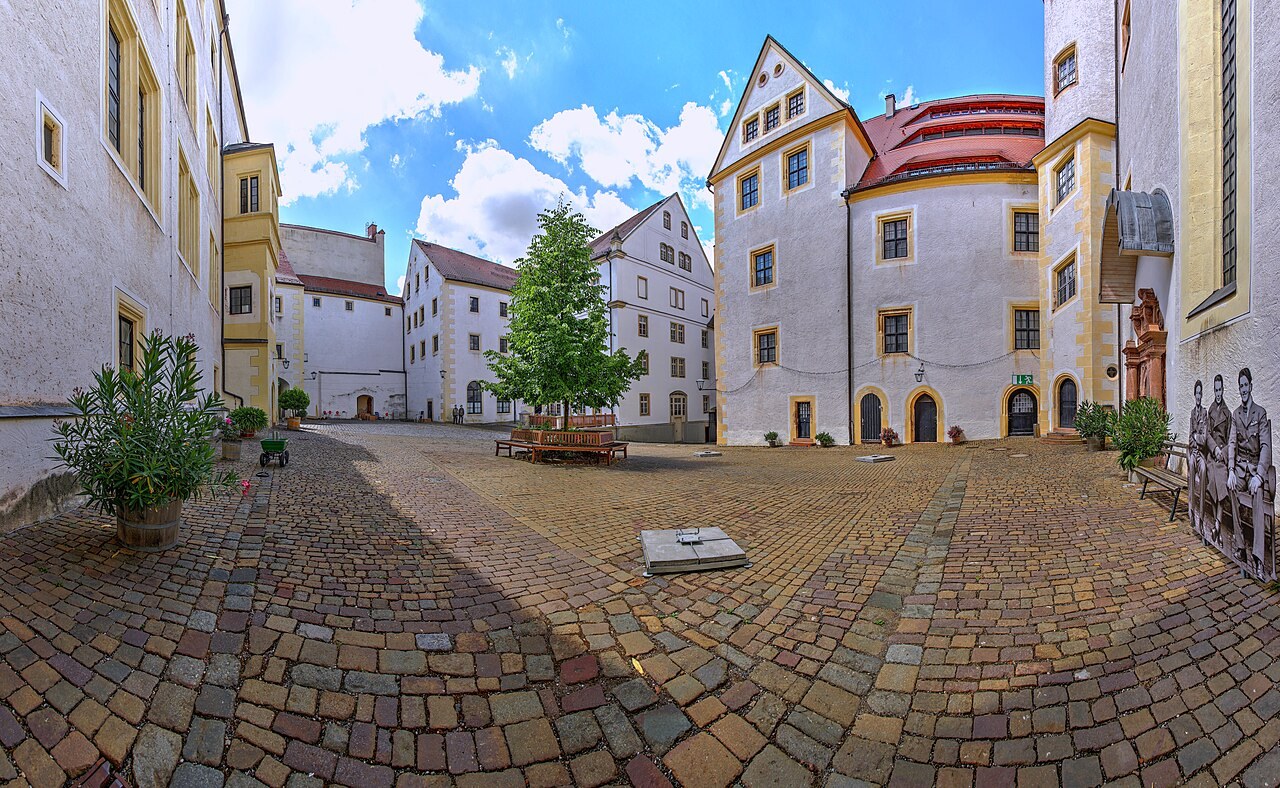
Allow the exhibition’s different historical periods to shape the visit, rather than approaching only through familiar escape stories.
Day trips
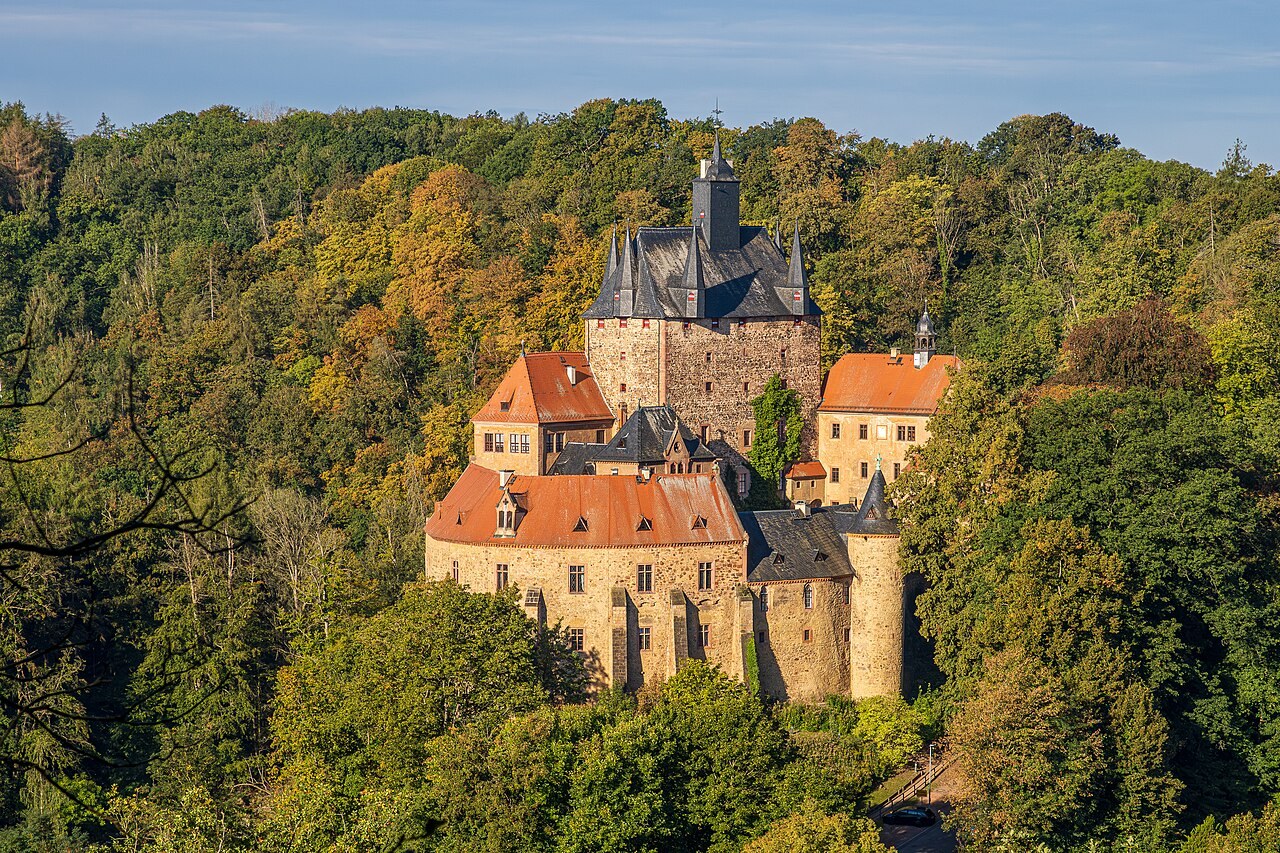
Consider the approach as carefully as admission, then choose between a brief exterior stop and a substantial castle visit.
Day trips
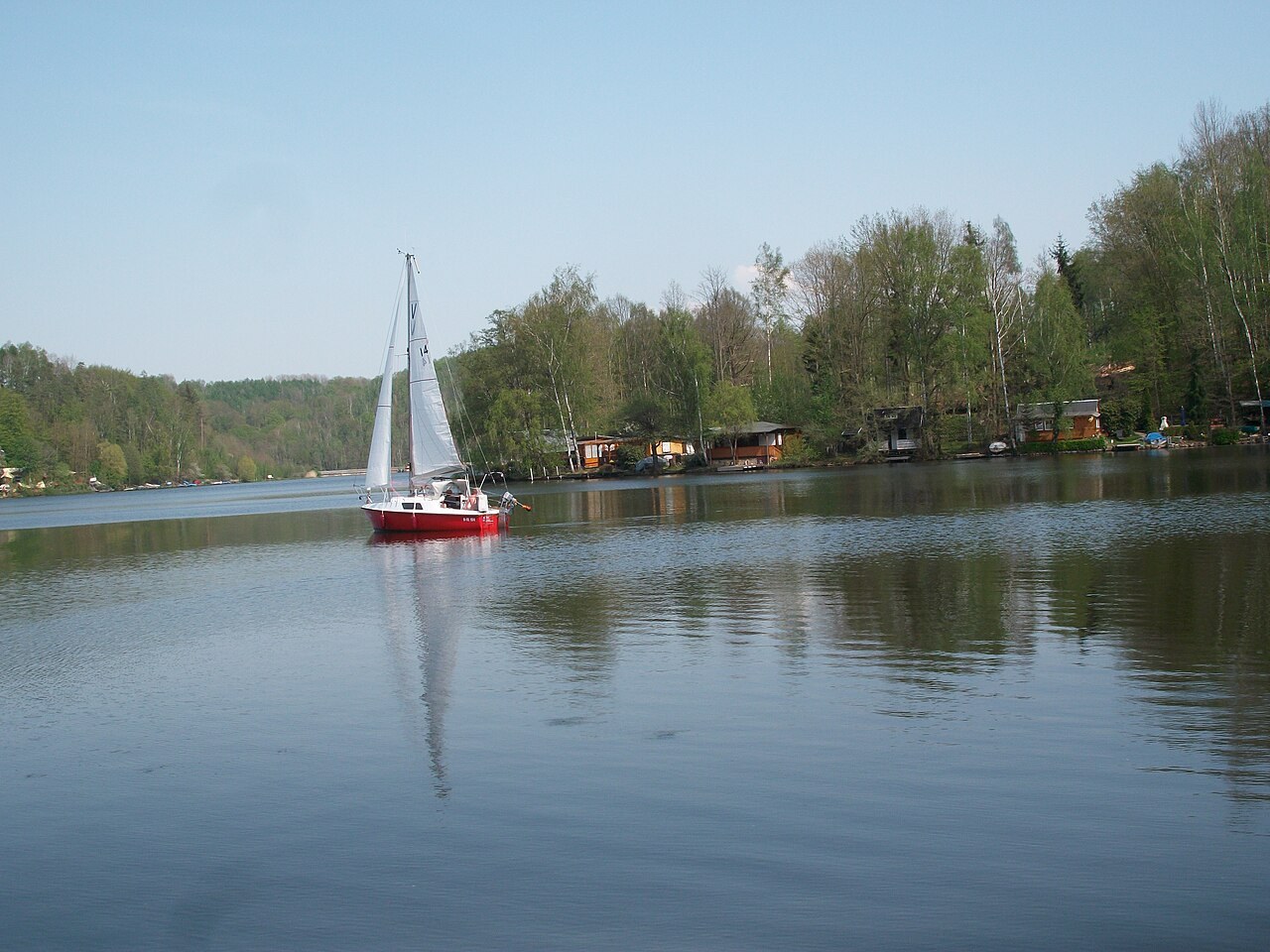
Distinguish a round trip from a ferry journey before combining time on the water with walking on shore.
Day trips
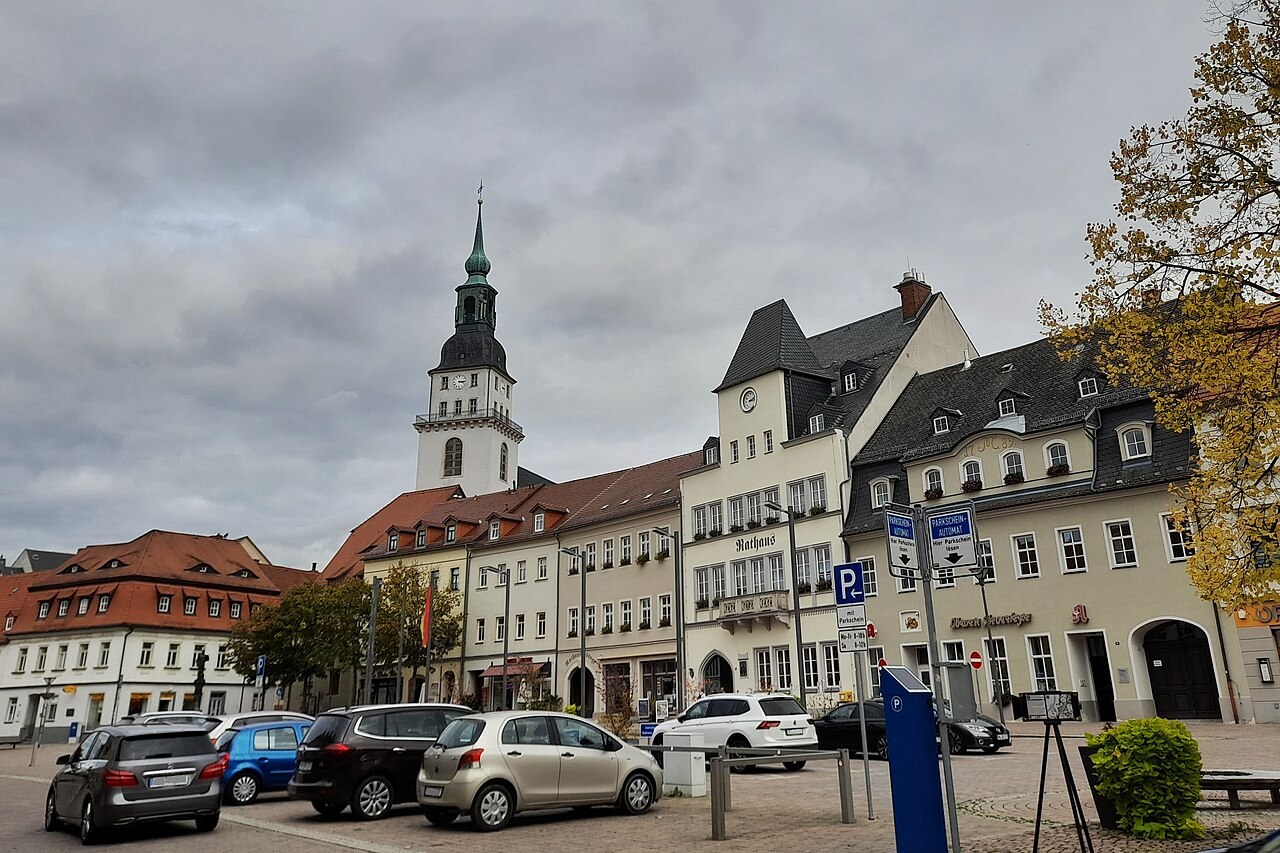
Combine a market-square walk with ZeitWerkStadt, using the shorter excursion to spend more time with one subject.
Day trips
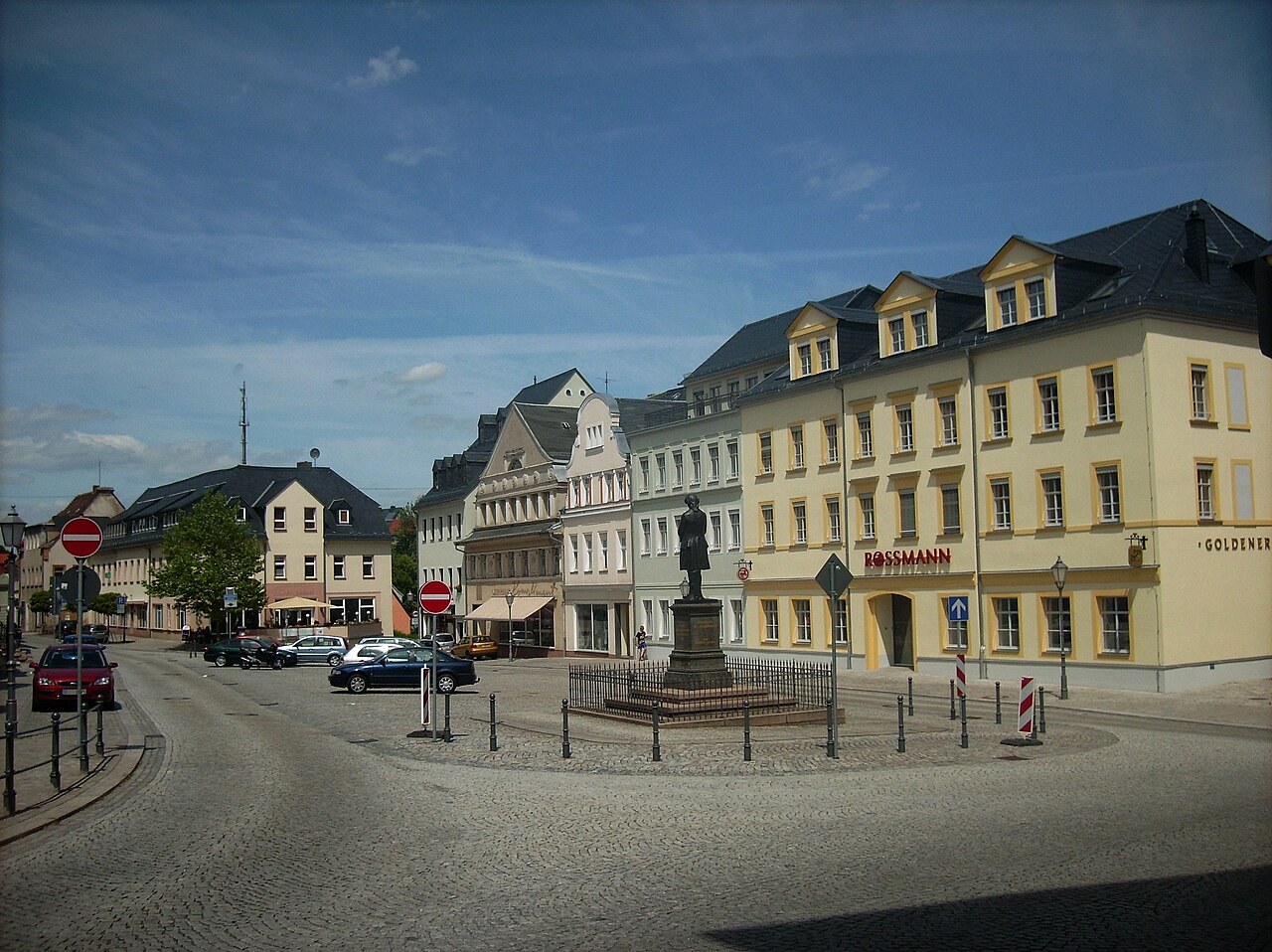
Give one cultural venue the main role and use the market-square walk as a change of pace.
Day trips
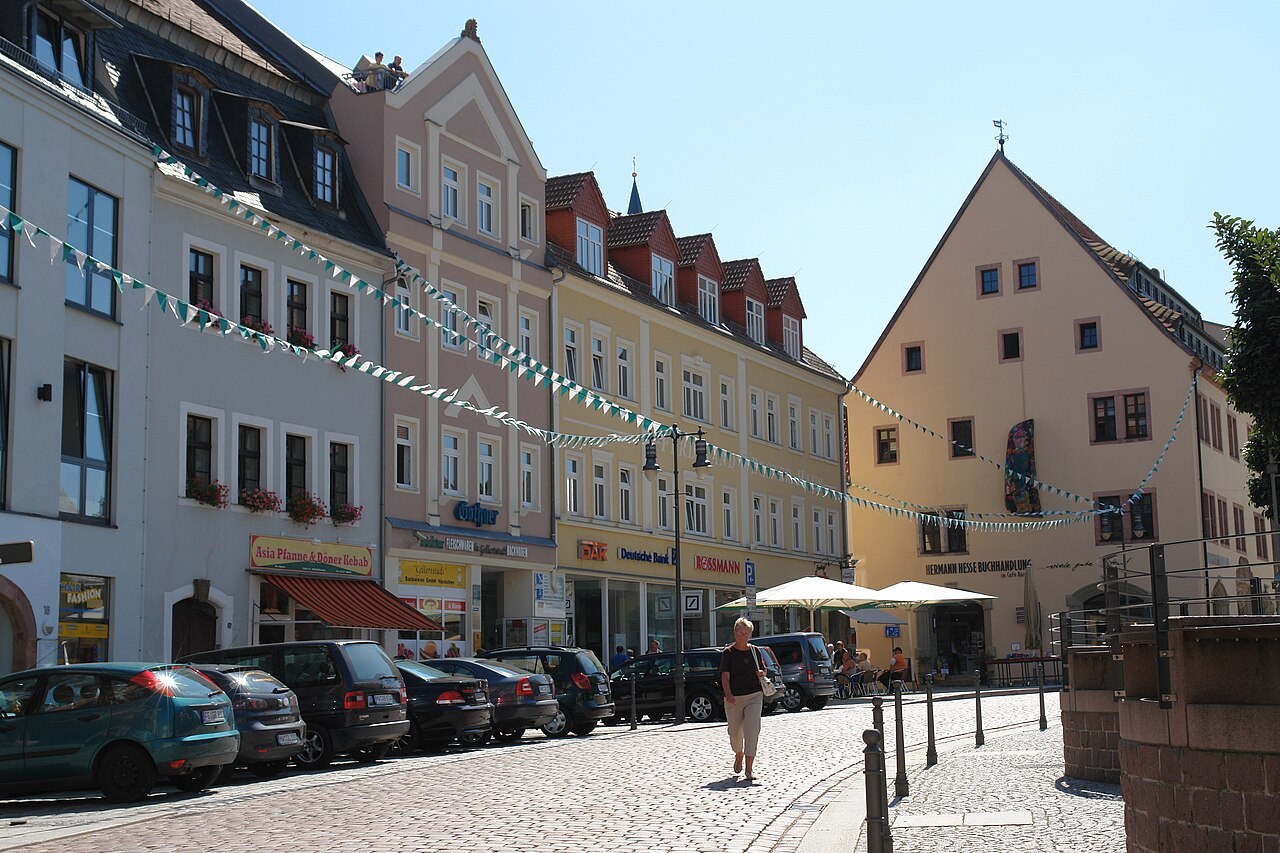
Use the market, church hill and town museum to give the walk a clear route and historical focus.
Day trips
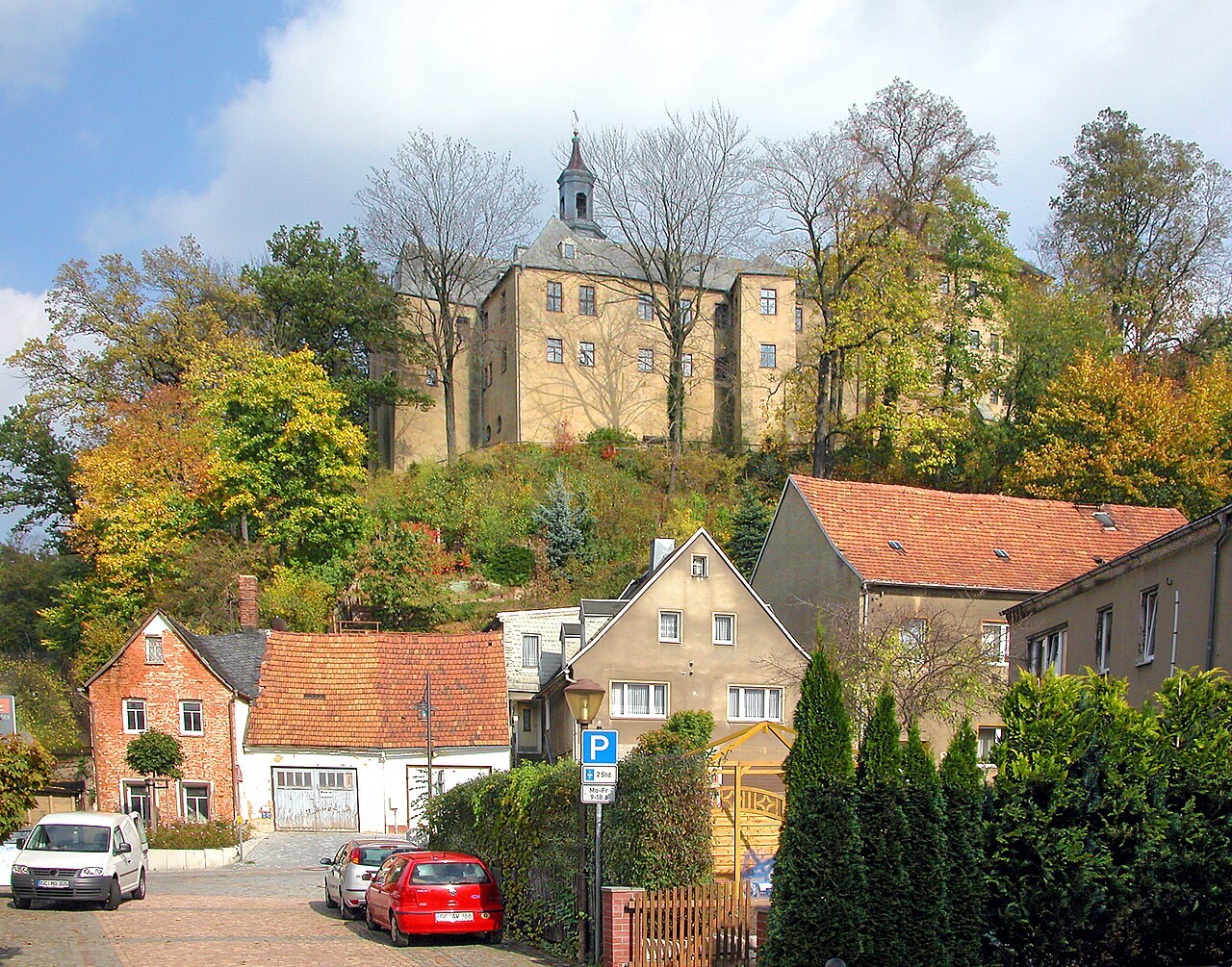
Keep the Saxon location clear, then choose whether Miniwelt or the town itself will lead the outing.
Day trips
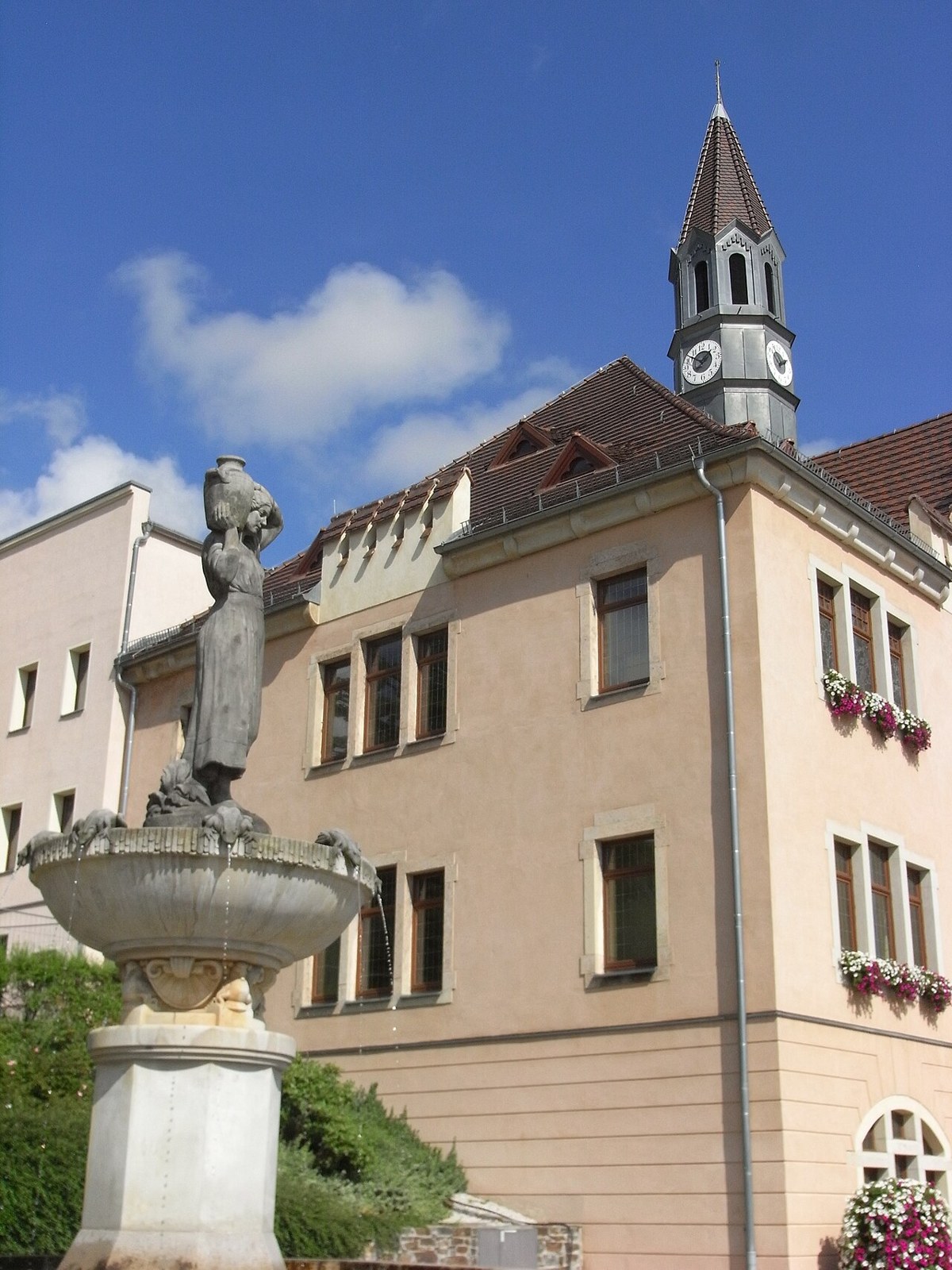
Build the visit around the Karl May House, then use the town walk to change the scale and pace of attention.
Day trips
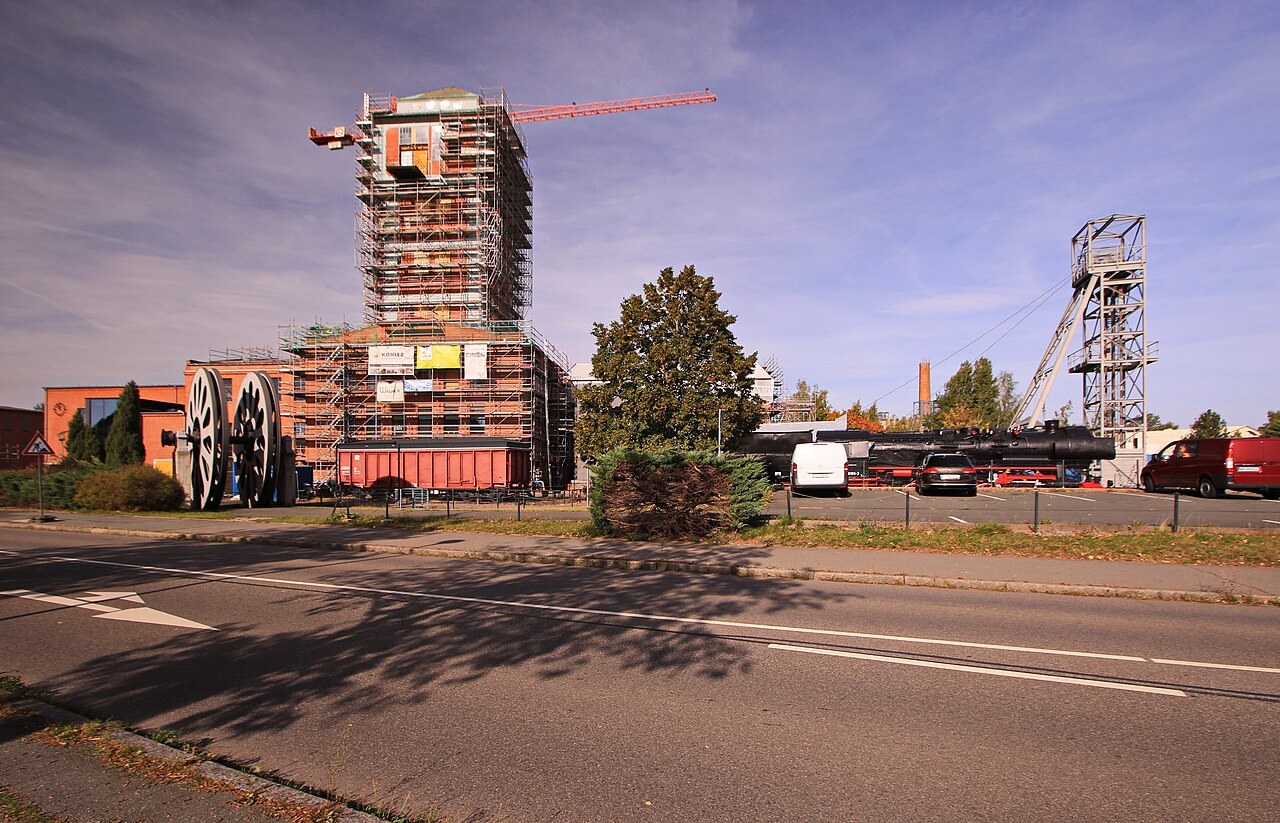
Distinguish the coal-mining exhibition and reconstructed demonstration workings from an actual underground mine journey.
Day trips
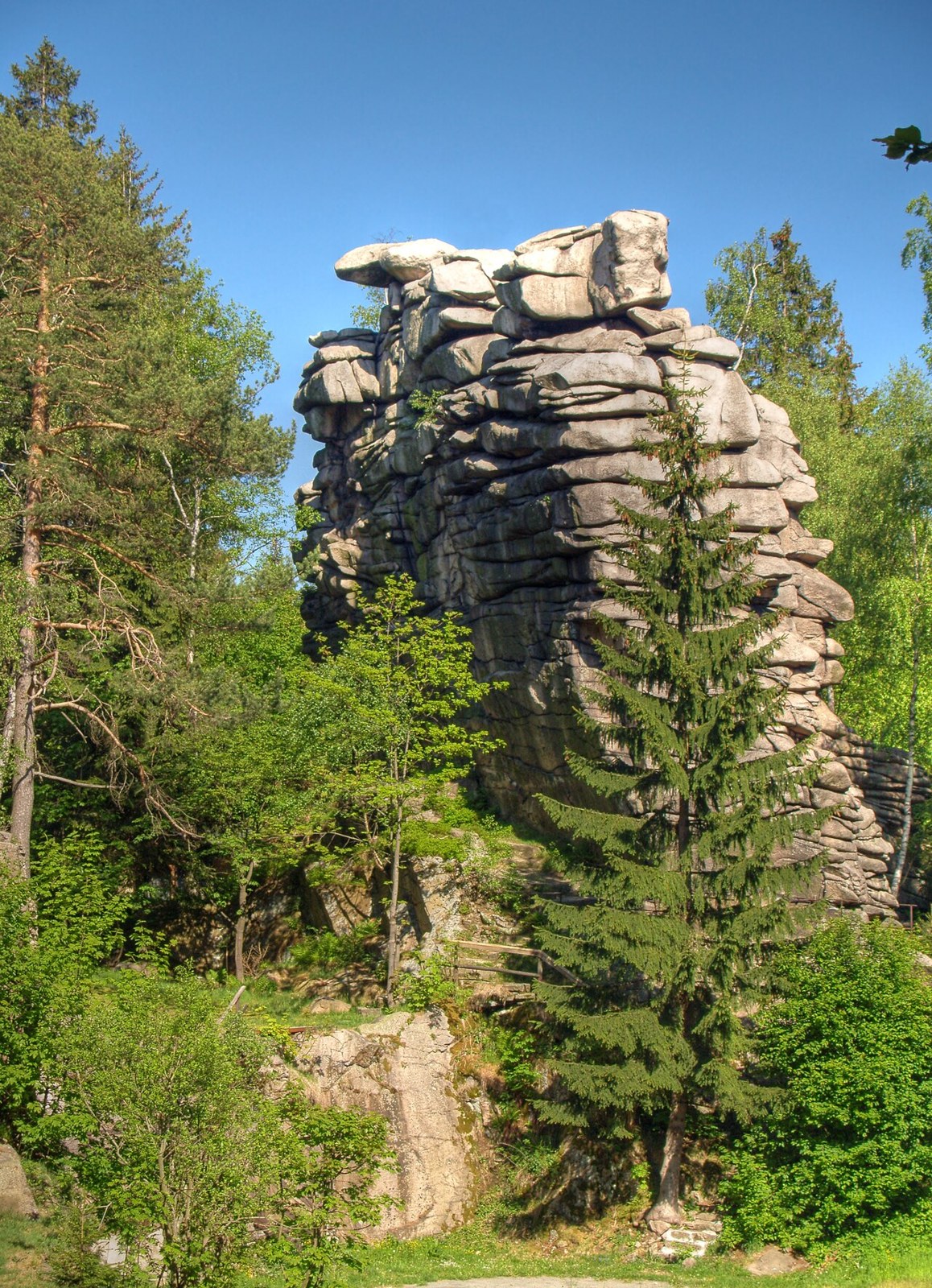
Choose between a rock-landscape visit, a defined walk and an open-air performance before combining them.
Day trips
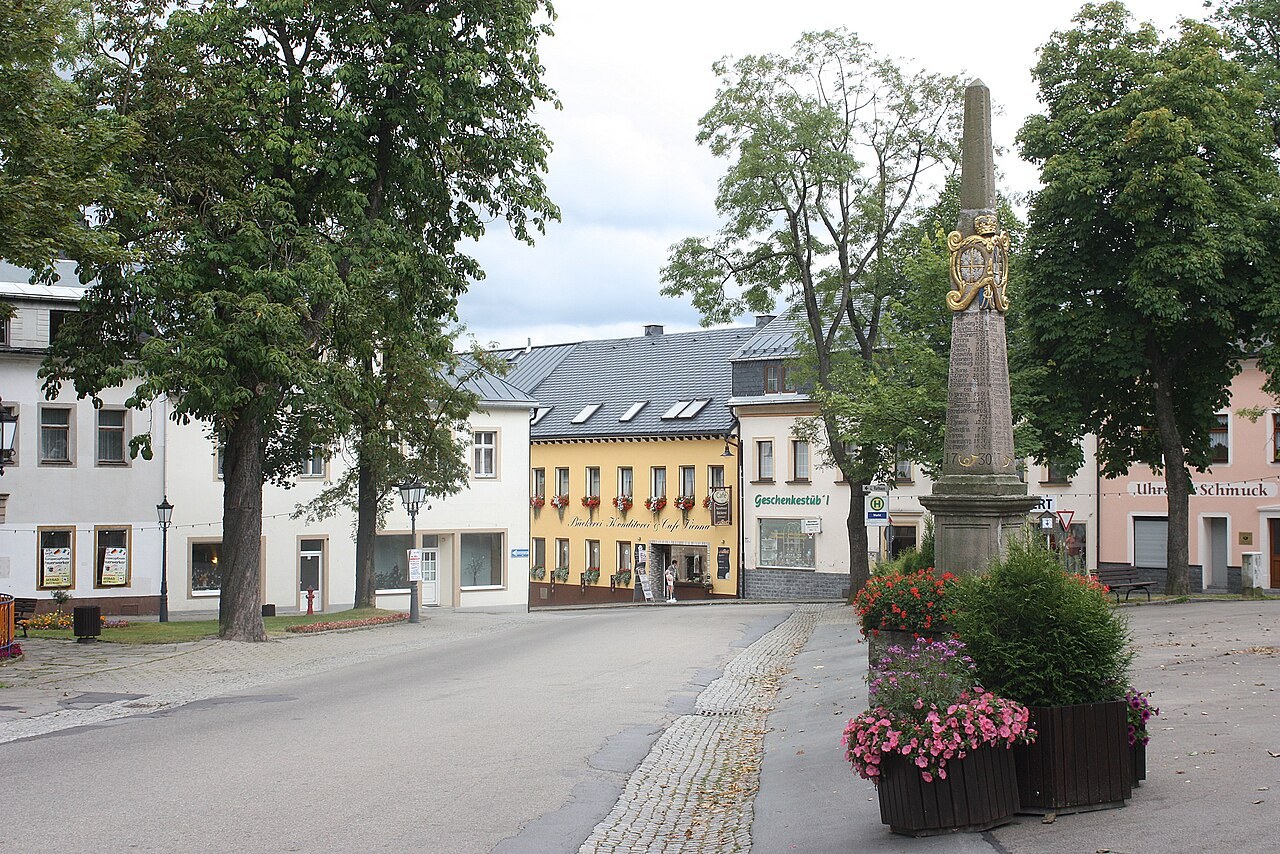
Choose whether the railway, the mountain or the town is the focus, and plan the journey back before setting out.
No matching articles. Try another search term.