Two museums can already fill the day
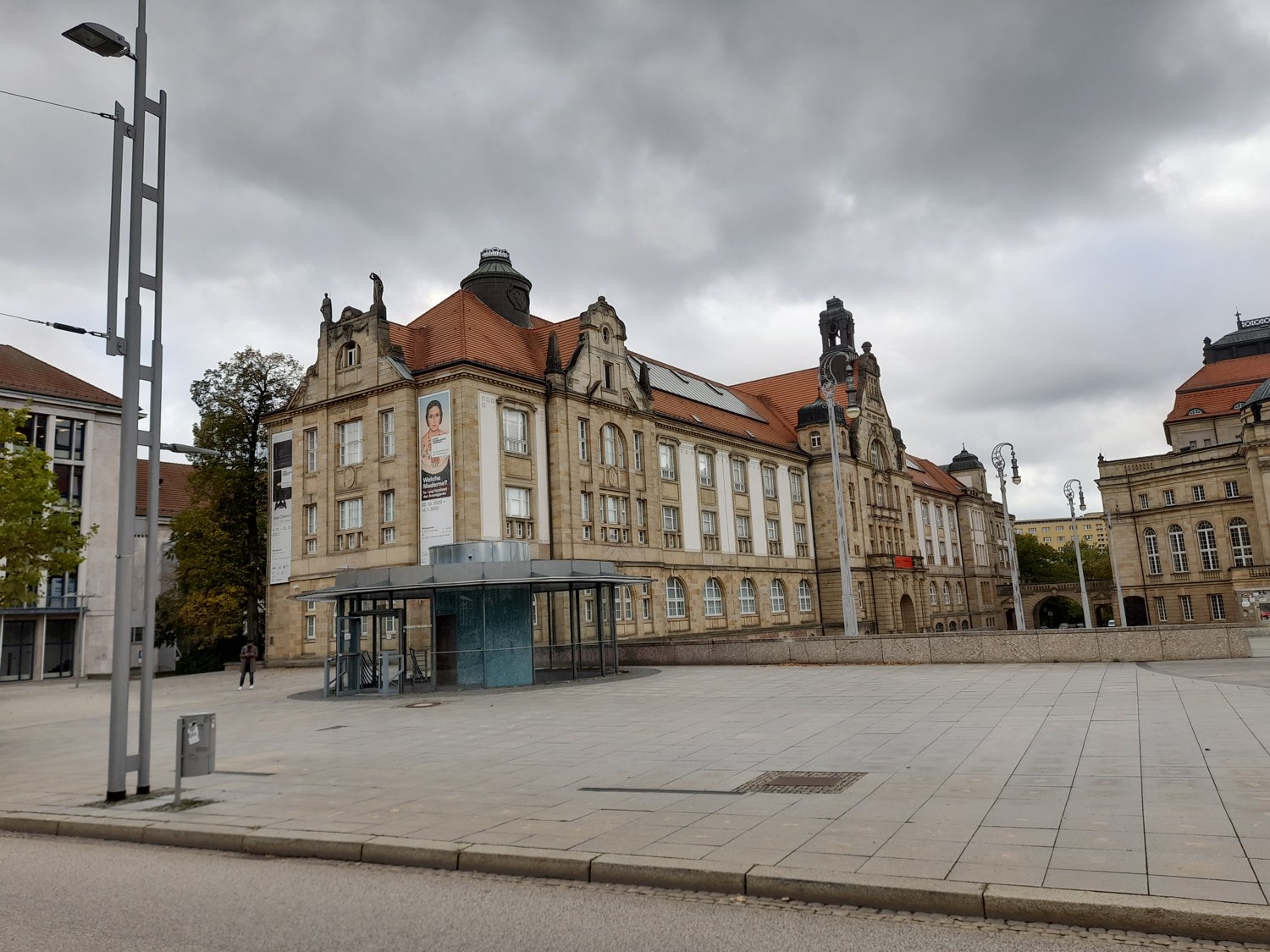
The collections at Theaterplatz and Museum Gunzenhauser provide two distinct starting points for an art day in Chemnitz. They belong to the same institution but occupy different locations and collection contexts. Visiting both can be enough for a day. Additional galleries are optional, appropriate only when interest and attention remain.
Begin with the current exhibition programme. A permanent collection is not the same as the selection presently displayed. If a particular artist or work is the reason for travelling, confirm that it is on view. A collection record alone does not establish that the object will be in the galleries on your date. This matters especially when the journey is being made for that specific purpose.
Give the first visit an open question
Choose a question before entering. How is a landscape organised? What does colour do in a portrait? What difference does an unusual format make? A question connects works without requiring every room to be completed in sequence. It can change as the visit develops.
Look first without extended reading. Titles, dates and interpretation can then add to the impression. Alternating in this way keeps attention from moving entirely to labels. It is perfectly reasonable to survey a room quickly and return to one work later. The second encounter may differ because its neighbours have become familiar.
Put space between the institutions
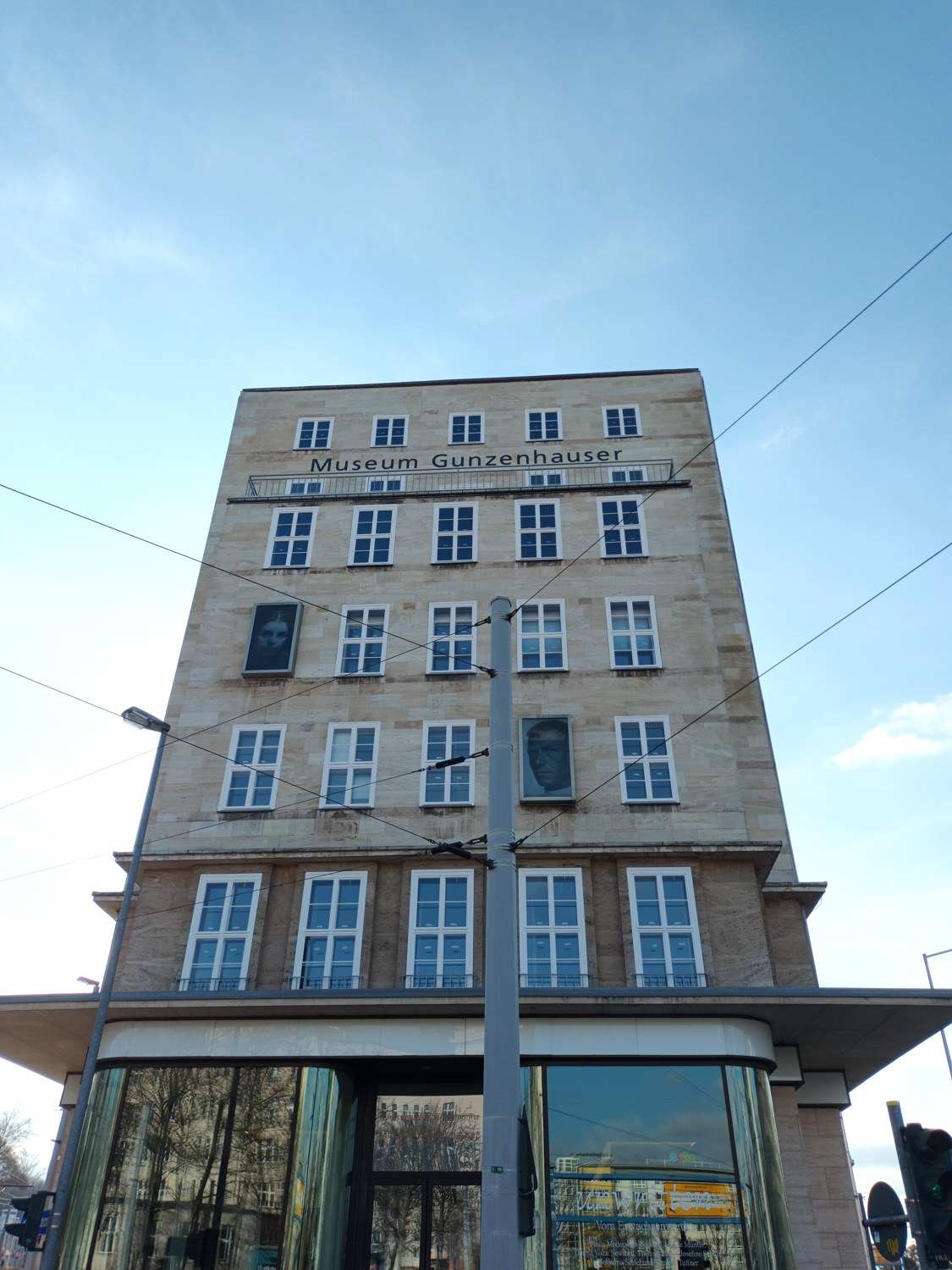
Do not treat the journey to the second museum merely as lost time. A meal or short outdoor interval allows the first exhibition to settle. Museum Gunzenhauser is at Falkeplatz, with the institution identifying Stollberger Straße 2 for step-free access. Check the useful connection from where the first visit actually ends rather than simply placing two museum names in a crowded timetable.
For conversation during the break, let each person choose one work that has stayed with them. The choice need not be defended as though it were an examination. A colour, a discomfort or a personal association is enough to begin. Anyone who prefers quiet also needs room for it. A shared art day does not require continuous discussion.
Approach the second visit differently
In the second building, deliberately change how you look. After extensive reading in the first museum, choose fewer works. After concentrating on painting, notice drawing, surface or the arrangement of objects where the current exhibition allows it. The point is not to demand every medium but to avoid mechanically repeating the first visit.
If concentration fades, shorten the stay. Another floor covered from obligation rarely becomes more memorable. Ask about the actual validity of any combined ticket; its conditions may offer a way to divide the museums across days. Do not assume that flexibility from the ticket's name alone.
A gallery can replace a museum
Neue Sächsische Galerie in TIETZ can take the place of one of the larger institutions. Its focus on Saxon art after 1945 provides another context. Again, the current programme determines the choice. A smaller exhibition is not necessarily quicker to understand or less demanding. A concentrated question can absorb considerable time.
A guided visit is another alternative to independent looking. Check its language, timing and registration. English-language tours cannot be assumed every day simply because an institution has English webpages. Suitable interpretation can deepen the experience, while an awkward appointment need not break the day into inconvenient fragments.
Keep a small record
At the end, note three titles or thoughts that genuinely matter to you. There is no need for more. An art day is not an inventory, and the number of rooms entered says little about its effect. One work you would like to see again may become the strongest reason for another visit to Chemnitz.