Ask more than which machine is largest
One day cannot cover all industrial heritage in Chemnitz. A useful introduction follows a question: what was made, what work did it require, and how did that work shape the city? Large machines can make the answers tangible, but buildings, products and residential surroundings belong to the subject as well.
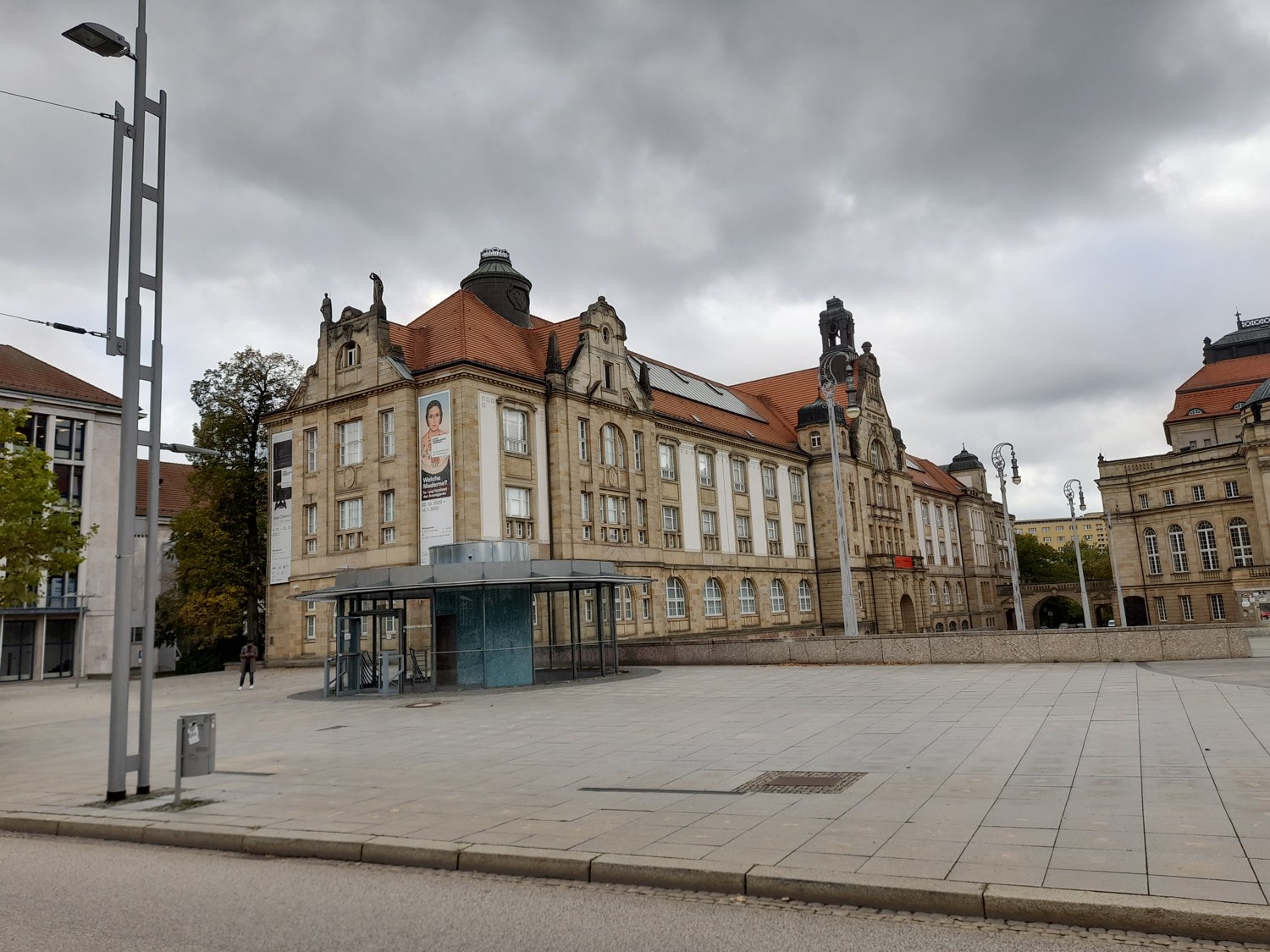
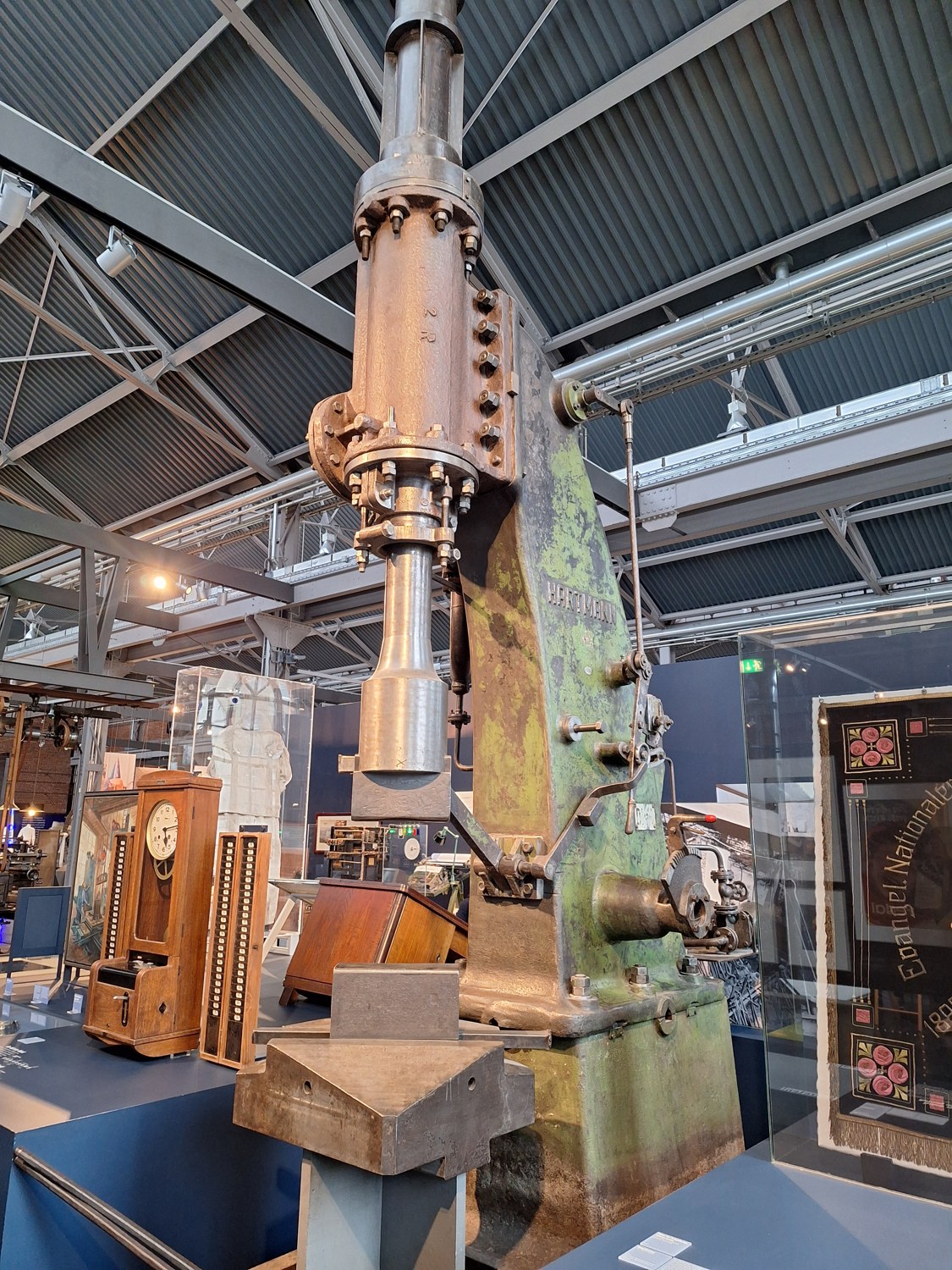
Start with the industrial museum at Zwickauer Straße 119. Its exhibition provides a framework in which objects become more than impressive pieces of technology. Read the interpretation where a device raises a question. What was it for? What movement does it perform? Where would a worker have stood? This connects the object's form with an activity.
Make choices within the museum
First find something whose purpose seems obvious and something that leaves you puzzled. The contrast shows how much present-day experience influences understanding of historical technology. A familiar product may come from a manufacturing process you have never seen. Conversely, a large unfamiliar machine may have made something ordinary.
Demonstrations or guided visits can explain operations, but they need to be confirmed for your date. A machine in a collection is not necessarily running continuously. Ask about the current programme if movement and sound are important to the visit. Stationary objects still offer the chance to examine details that might be missed during a demonstration.
Pay attention to working conditions and social context as well. Industrial history is not exclusively an account of inventions and commercial success. Comparing only power and size leaves out an important part. The museum can direct attention towards the people behind production; the current exhibition programme shows which subjects receive particular treatment.
Move from the collection into the city
After a break, a formerly productive site can open a second perspective. Garagen-Campus is a former transport depot rather than a machinery factory, now used for cultural activity. That difference is useful: maintenance, repair and infrastructure also belong to an industrial city. A current public event can structure the visit, while unrestricted entry to every hall should not be expected without one.
Schönherrfabrik offers another possibility. Here the question concerns the reuse of a historical factory ensemble. Establish which present-day offering you actually want to visit. Businesses and private rooms are not open museum departments. Publicly accessible areas can nevertheless show how large building structures accommodate new purposes.
Use a residential district as a deliberate contrast
If another industrial complex does not appeal after the museum, choose a section of Kaßberg instead. Residential architecture reveals another side of urban development through streets and decorated façades. Do not automatically describe every house as a factory owner's residence. The useful starting point is the contrast between space for production and space for living.
This option works particularly well when the group is not interested only in technology. The first half of the day has a shared focus; the second opens towards architecture and everyday surroundings. A short walk with two or three houses examined closely is enough. It replaces Garagen-Campus or Schönherrfabrik rather than being added to both.
Finish with a connection, not a completeness score
At the end, try linking one product, one machine and one type of building. What information is still missing from that relationship? Textile production, railways or the history of a particular business may now seem worth pursuing. That question is a useful result even when many recognised sites remain unvisited.
A later visit can follow a narrower subject, perhaps Schauplatz Eisenbahn or a specific architectural theme. Its opening and programme will need separate checking. The first industrial heritage day succeeds by making a coherent selection. It reveals connections rather than forcing the greatest possible number of factory names into one route.