How much time actually belongs to the city?
Several hours between trains do not necessarily mean several hours of sightseeing. Subtract the walk from the platform, any luggage arrangements, the return journey and a margin before choosing an activity. Only then decide whether a museum or a walk in the centre makes more sense. Arriving back at an unfamiliar station moments before departure is an avoidable way to end the visit.
A short overnight stay works differently from a connection between trains. After arrival, checking in and having dinner may matter more than reaching a museum before its last admission. The following morning might offer time for a city-centre walk. Give each available window a purpose instead of squeezing every sight into the largest gap on the schedule.
Three possible focuses
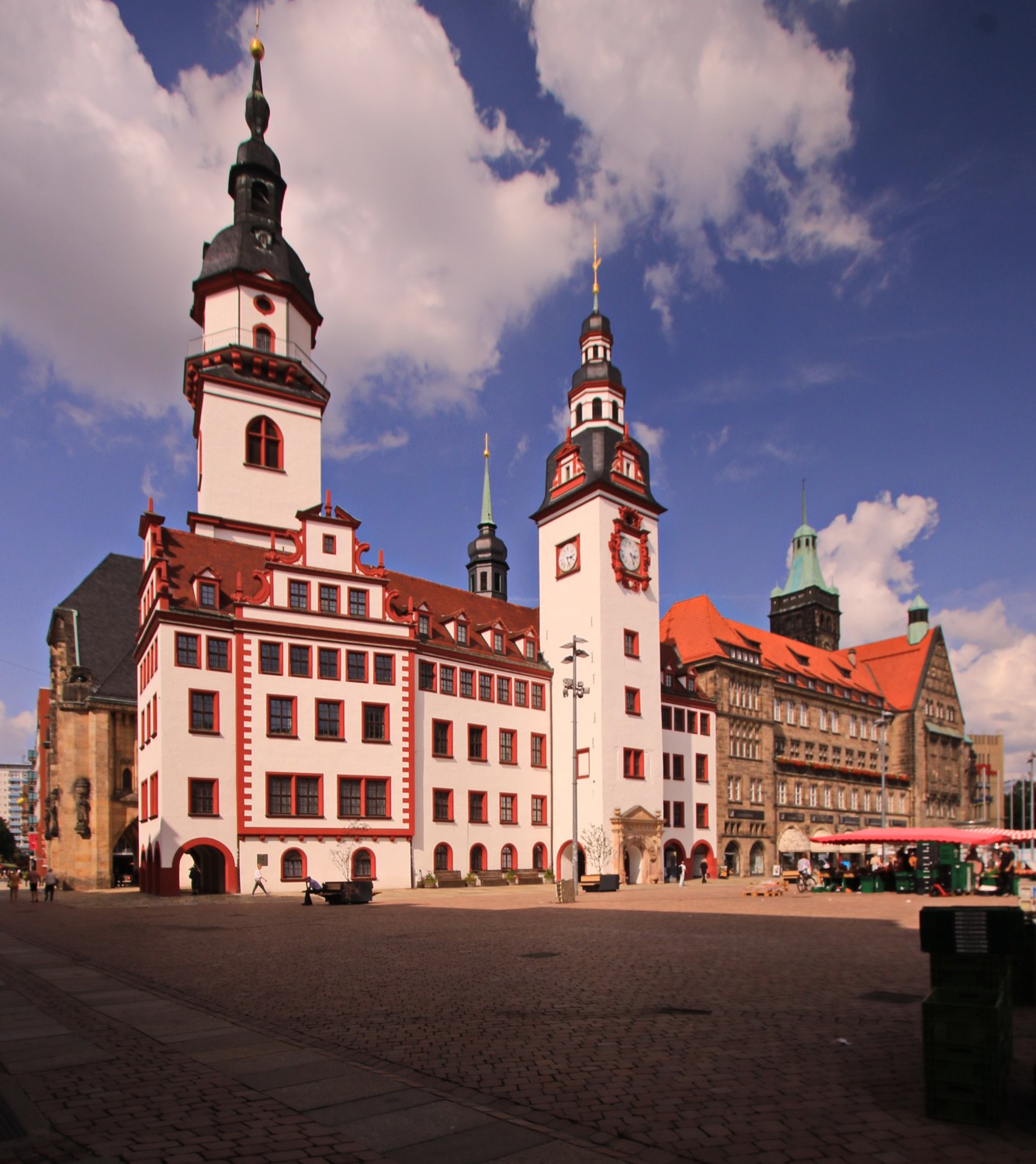
For an introduction to the cityscape, choose the market and Neumarkt. The town halls, Siegert House and more recent architecture provide contrasting buildings within one part of the centre. Look at the façades and the shapes of the squares. This cannot explain the whole history of Chemnitz, but it gives you specific images that a later visit can build upon.
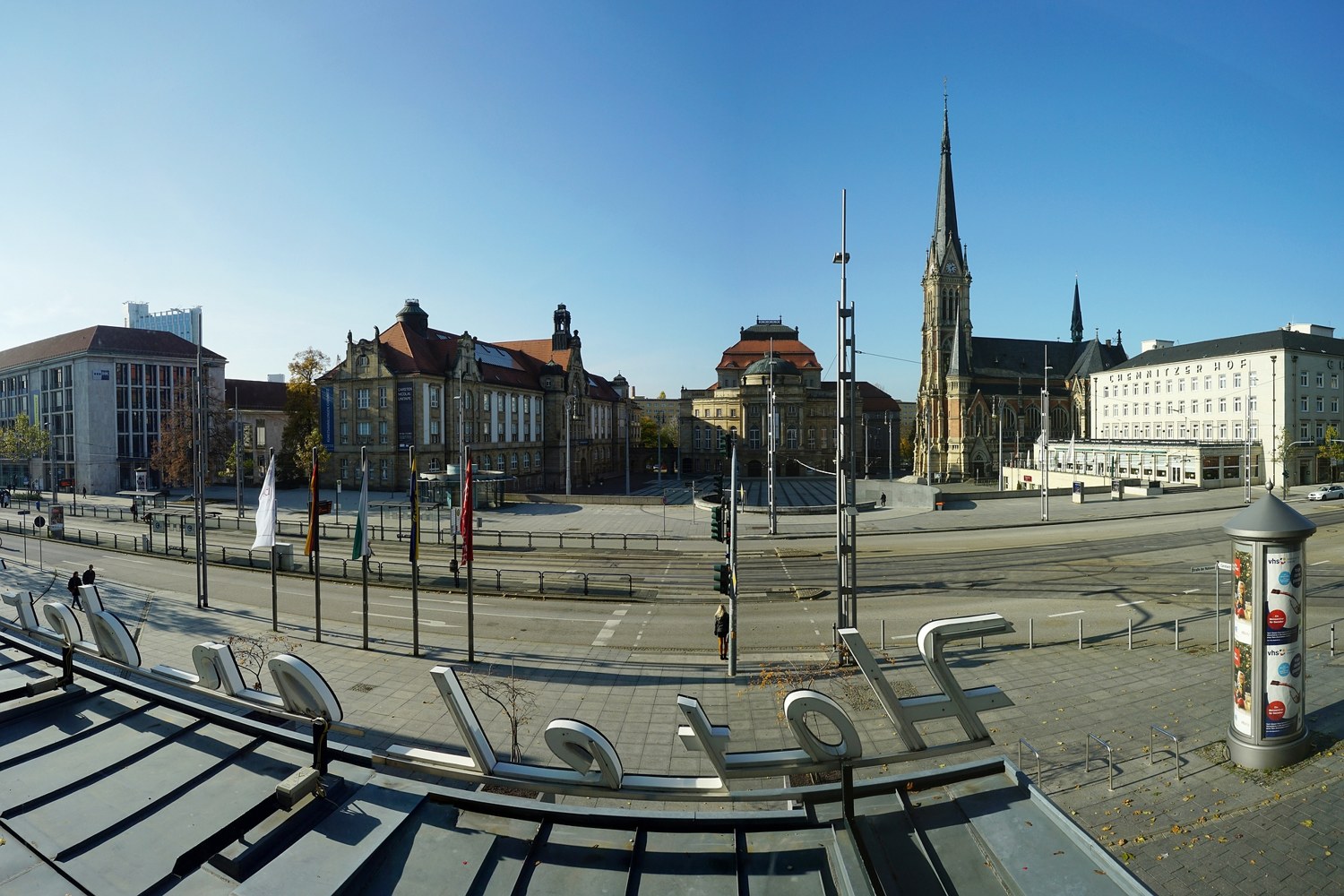
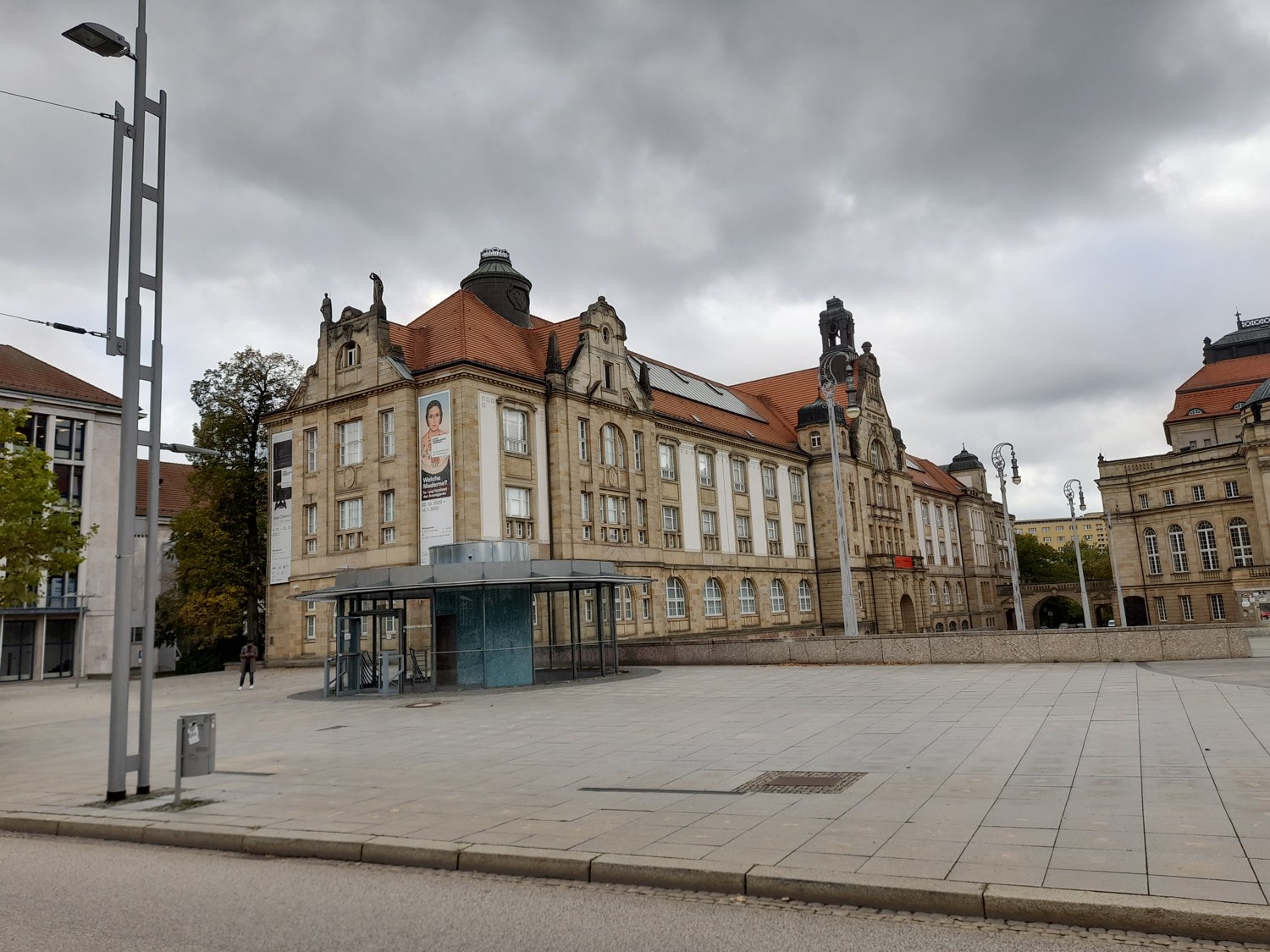
Another option is the area around the Karl Marx Monument and Theaterplatz. The monument and the ensemble around Theaterplatz represent different chapters in the city's appearance. Photography also takes time: you need to change position and look before taking the picture. Reduce the number of stops rather than seeing everything only while walking past. Use a current map to plan the connection between your choices.
A third approach is to visit just one museum. At the smac, the focus can be archaeology; at the Kunstsammlungen, art. Check opening hours, last admission and the location of the particular building you intend to visit. A short museum visit should be selective, perhaps concentrating on one exhibition area or a question. It need not involve rushing through every room in the building.
What to leave for another visit
A brief stay in the centre is not an ideal setting for an additional journey out to Rabenstein and back. Its castle, woodland and other leisure destinations deserve a separate block of time. Appearing on the same city overview does not make a place a convenient spontaneous extra. The same applies to adding several museums spread across different districts.
Avoid booking a timed activity immediately before your onward journey. Even a longer walk to a stop can make the schedule uncomfortable. An outdoor visit is easier to shorten than a guided tour with a fixed finishing time. During a stopover, that flexibility can be more valuable than adding another attraction to the list of places visited.
Leave with one distinct impression
Choose what you want to remember: a square, a building or an object in a museum. A note containing its name and your own question may be more useful than dozens of unidentified photographs. Something left unexplored can become the starting point for another trip. Chemnitz does not have to be fully explained in a few hours for a short visit to have a coherent story of its own.