A garden with several purposes
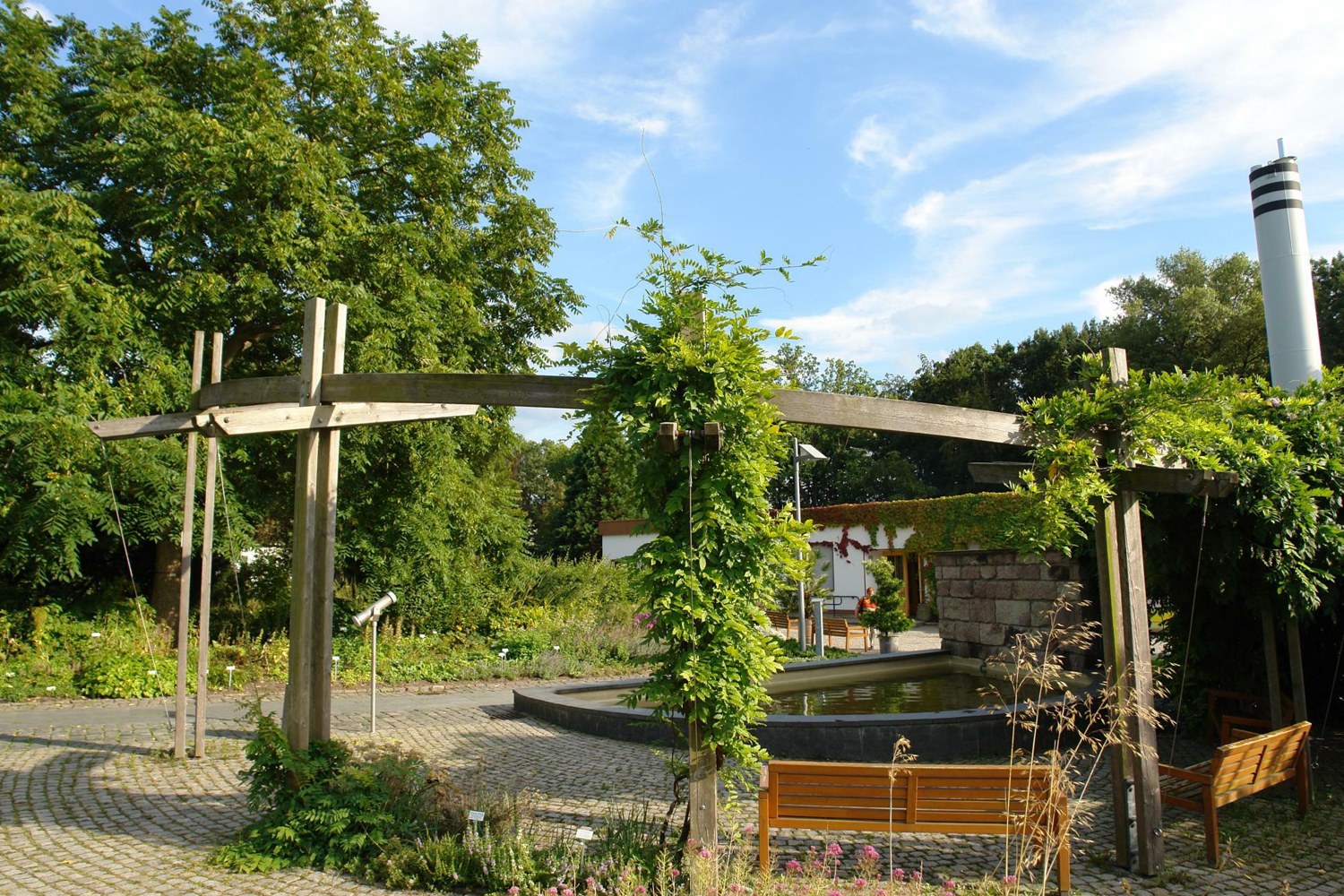
The botanical garden at Leipziger Straße 147 combines plant collections with a school biology centre and a nature conservation centre. That gives it a different purpose from a purely ornamental city garden. Plants appear not only as attractive specimens but also within habitats and educational work. Curiosity is therefore a better starting point than expecting every area to be in flower at once.
The city publishes seasonal closing times, which are particularly important for a late-afternoon visit. Access to the outdoor grounds does not establish that every building or educational activity is available without arrangements. If a particular collection or group session is the reason for coming, confirm that specific opportunity beforehand.
Begin with leaves rather than flowers
For the first part of the visit, compare leaves. Find three distinctly different shapes, perhaps narrow, rounded and deeply divided. Notice how they attach to the stem and whether their surfaces look dull or shiny. Questions arise before you read a label, and the information can then answer something you have actually noticed. A plant does not need to be flowering to be interesting.
Do not touch or pick material as part of the exercise. Many surfaces can be examined closely without handling, and a photograph can preserve a detail. Restraint is sensible with unfamiliar plants in any case. This is a collection whose specimens need to remain available to everyone. Children can draw an observation instead of removing a leaf as evidence.
Use labels to answer questions
A plant label often contains more than is apparent at first glance. A common name offers an introduction; a scientific name may connect related plants. There is no need to memorise them. The label becomes useful when it confirms a visible similarity or reveals a relationship that was not obvious.
For a plant you want to investigate later, photograph the whole specimen and then its label. Make sure the two belong together. In a densely planted area, a sign may refer to a different plant from the one that caught your attention. A mistaken pairing is harder to correct at home than a brief question asked while still in the garden.
Notice the season you are visiting
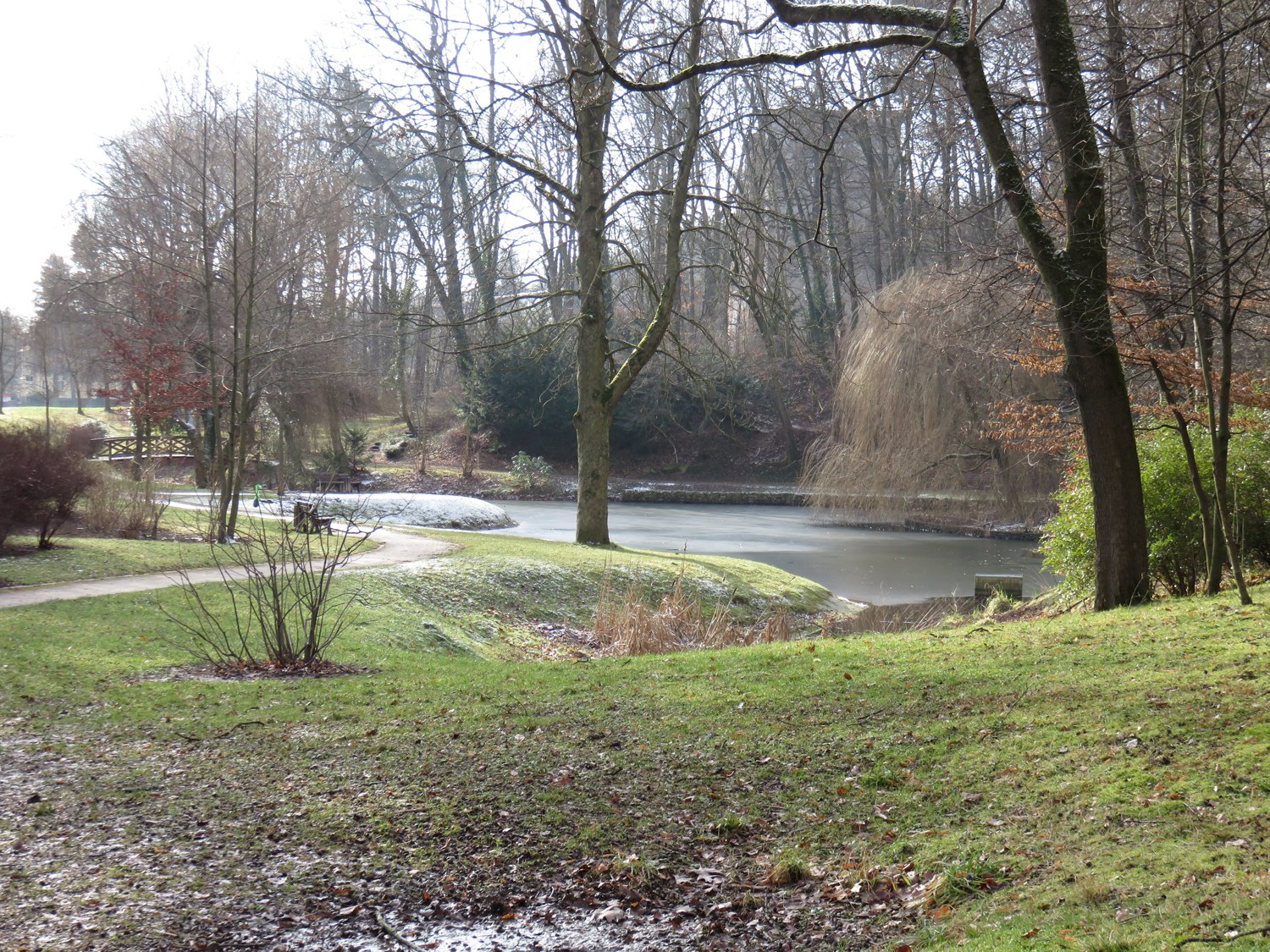
Spring offers different subjects from autumn. New growth, seed heads, fruit shapes and the structure of bare branches each deserve attention. A shortage of flowers does not mean that the visit has failed. Match expectations to the season: a photograph of summer flowering cannot promise the same scene months later.
On a return visit, make a small comparison series. Choose the same publicly accessible viewpoint and take a photograph from approximately the same position. Add the date and one observation. A few images can reveal change clearly without requiring a comprehensive list of species or a complicated record-keeping system.
Follow one question with children
One question can hold a family visit together. Where can you see water, and how do nearby plants differ from those elsewhere? Which plant has the largest visible leaf? Choose a task that can be answered by looking. A competition to supply the most correct names mainly rewards whoever already knows the most.
Allow pauses between periods of close attention. After studying one group of plants, it is fine to pass through another area more casually. Adults do not need to respond to every question with an immediate explanation. Something left open for shared research later may remain more memorable than a quick but uncertain answer on the spot.
Give the garden its own time
The botanical garden can be combined with other green destinations in Chemnitz, but it also deserves a separate block of time. If continuing towards Küchwald, inspect the actual connection on a map rather than equating general proximity with an adjoining entrance. Getting to know a few plants more closely and leaving with a question is enough to make the afternoon worthwhile.