Begin with a route you can identify
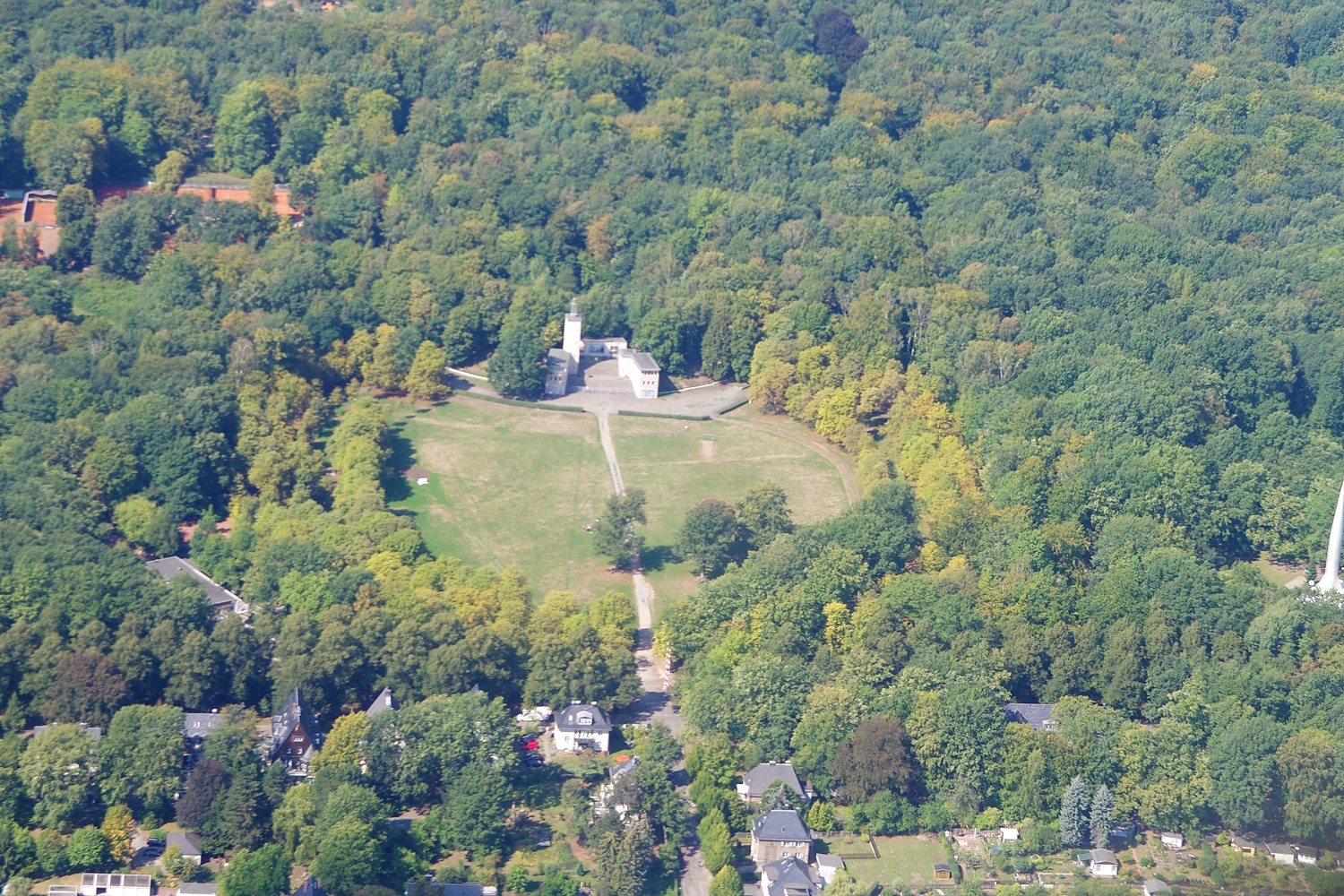
Zeisigwald offers a wooded side of Chemnitz. For a first visit, choose a marked route that can be followed on the city's walking map. Decide whether it will be a circuit or a link between two starting points. That avoids leaving the return journey unresolved until the end of what began as a relaxed walk.
Look beyond the distance shown on the map. Junctions, larger roads and possible places to leave the route are also useful information. Save an extract containing the chosen path and a recognisable starting point. Beneath trees, a vague impression of direction is less helpful than a known path name or a signed junction.
Notice the connection between woodland and stone
The tourism information links Zeisigwald with the extraction of local porphyry tuff. That gives the forest a connection to building materials found elsewhere in Chemnitz. The walk need not become a specialist geology expedition. Looking for exposed rock, changes in the shape of the ground and evidence of former use can be enough to create that connection.
Quarry areas are not invitations to climb or collect material beside rock faces. Remain on permitted paths and look from an appropriate distance. A quarry marked on a map tells you nothing about safe access to its edge. If the geology interests you, information from the natural history museum can add context after the walk.
Adjust the outing to conditions
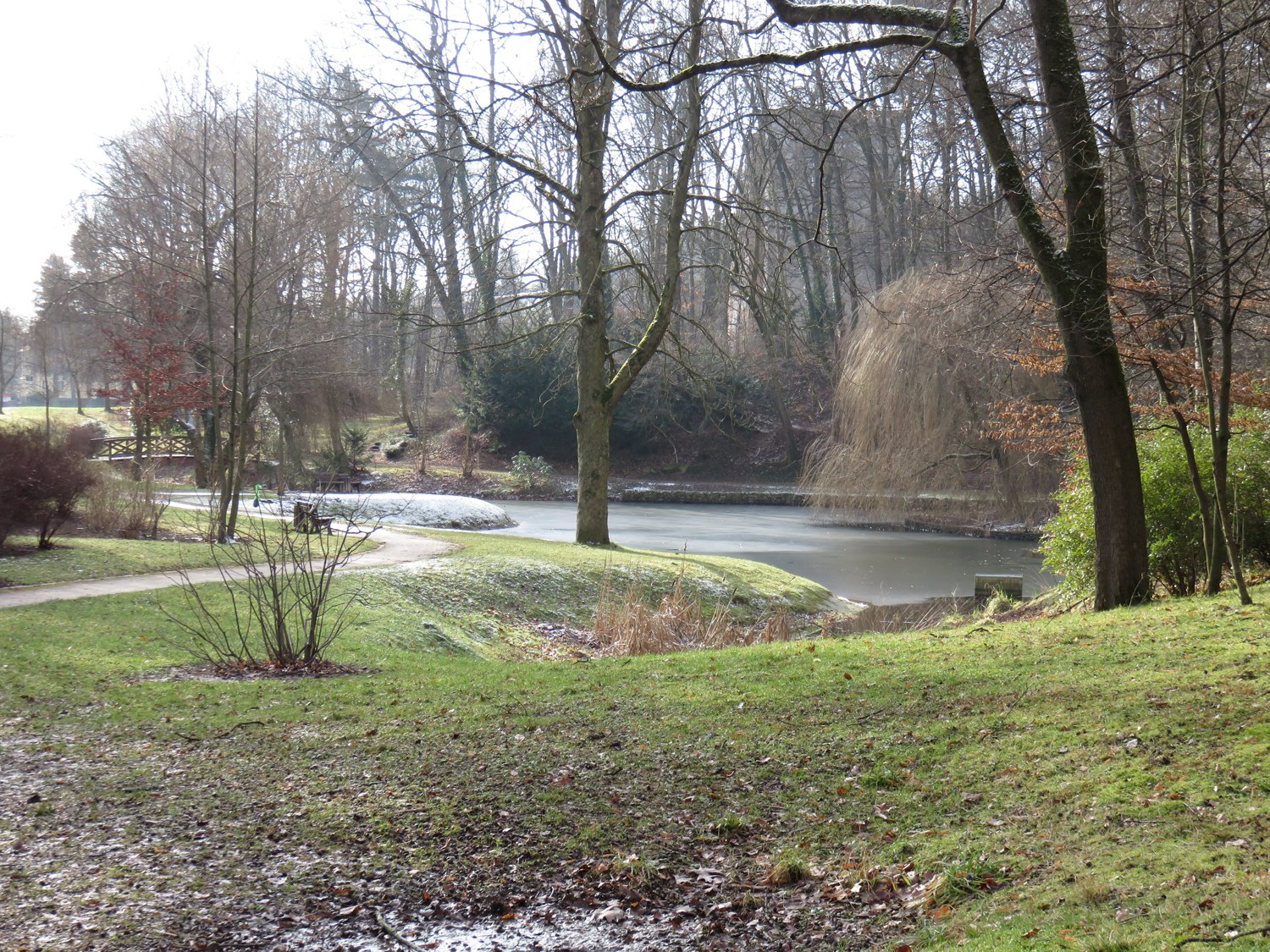
Roots and leaves can be slippery after rain. During forestry work, local closures take precedence over a digital map that still shows an uninterrupted path. Return to a known junction rather than inventing a detour through the trees. Woodland management and recreation occupy the same place at different times.
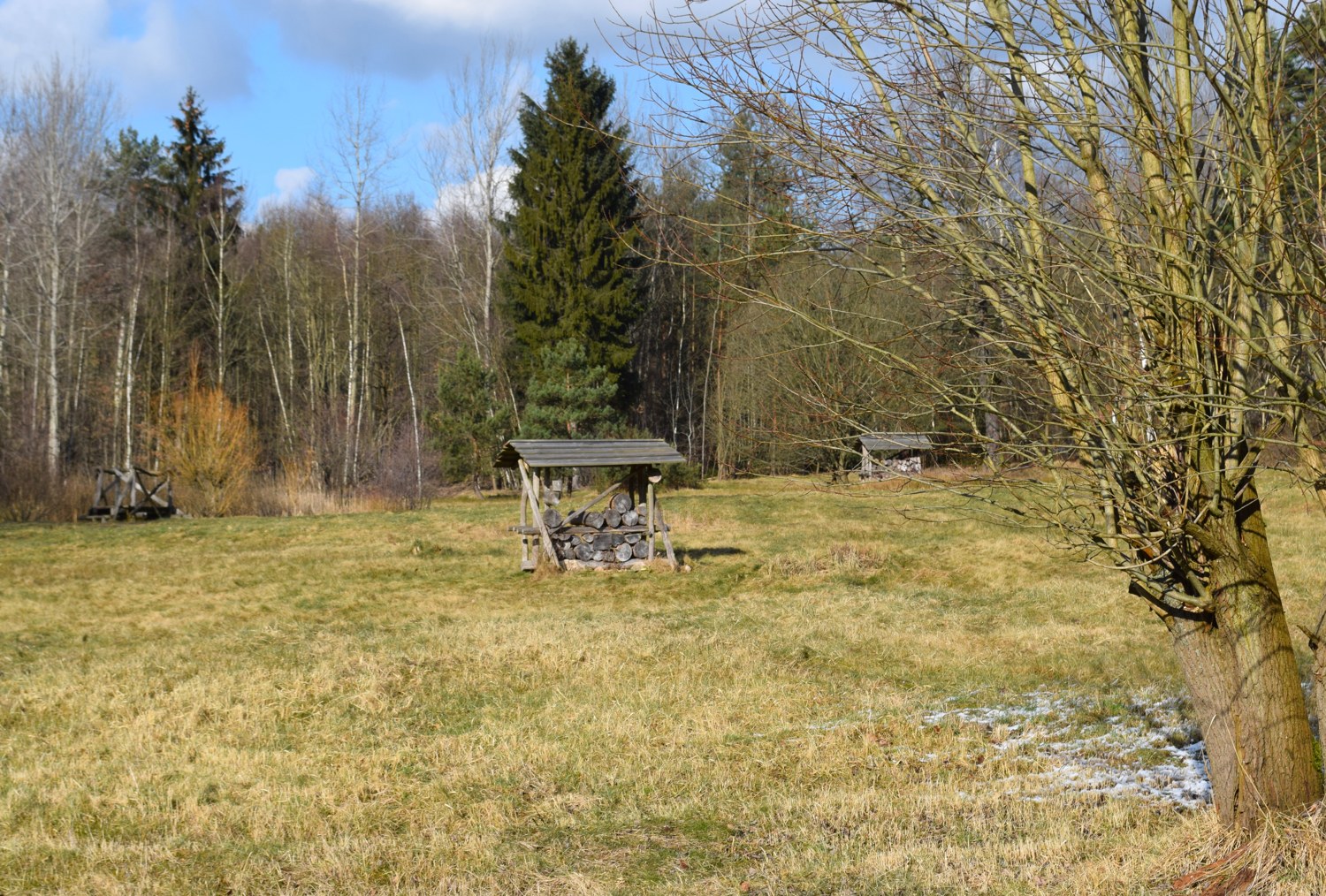
For a short break, a section near a clear access point is enough. A longer walk calls for a drink, suitable weather clothing and a considered way back. At some point, put the phone away and listen: how does the sound change as a road becomes more distant? That observation needs no special viewpoint. It lets the urban forest become a place in its own right rather than simply another pin on the city map.