Work backwards from the destination
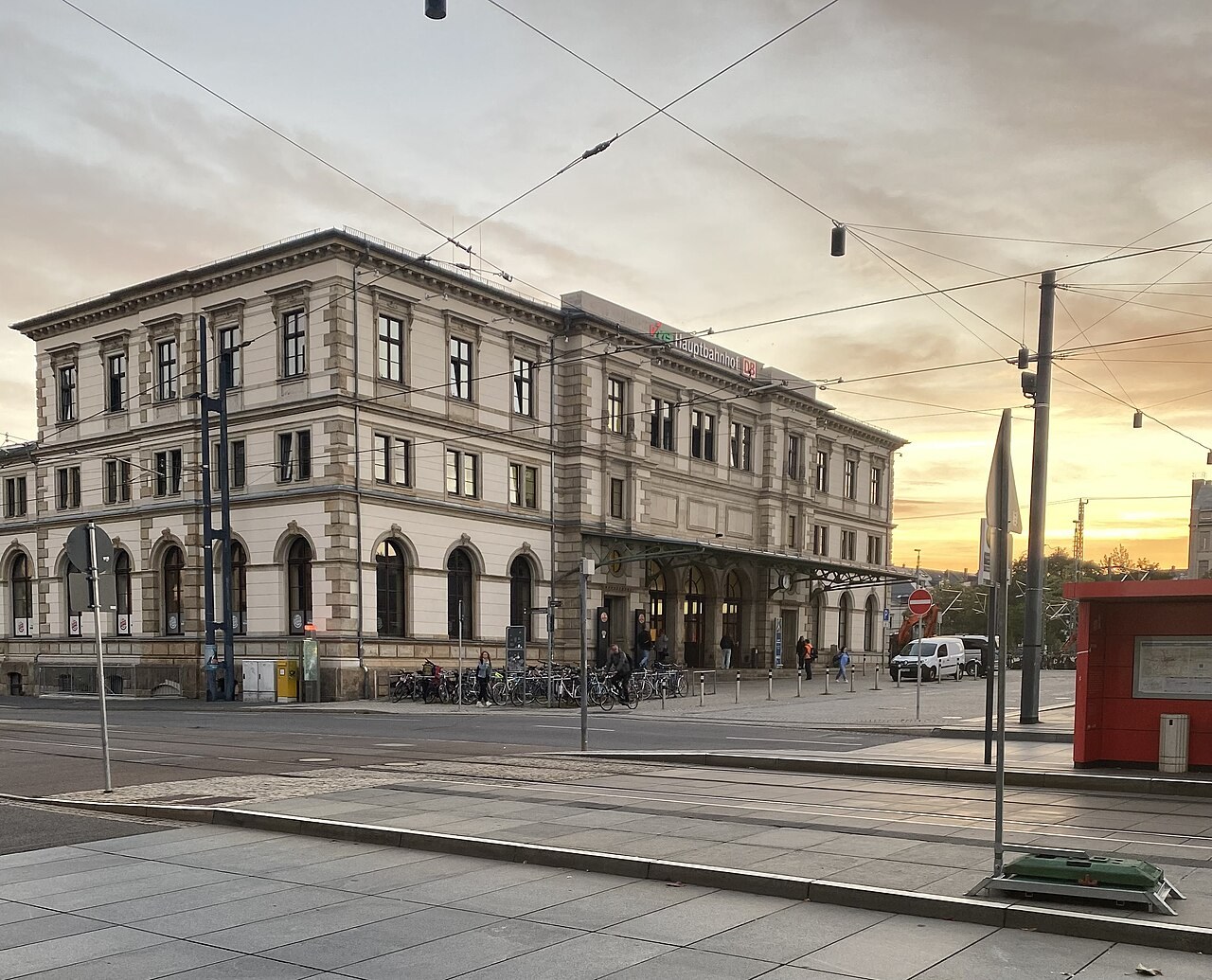
For a visit to Chemnitz, begin with the exact address of the museum, hotel or other place you want to reach. The closest stop is not always the most convenient. Another may give you a clearer walk or avoid a change. Compare the whole journey to the entrance, rather than judging only the time spent inside a vehicle.
CVAG’s journey search connects with the Verkehrsverbund Mittelsachsen information system. Enter the start, destination, date and time. For a booked appointment, searching by arrival time is useful. For an unhurried outing, a departure-based search may be enough, particularly when you do not need to reach the first stop at a fixed minute.
Read beyond the line number
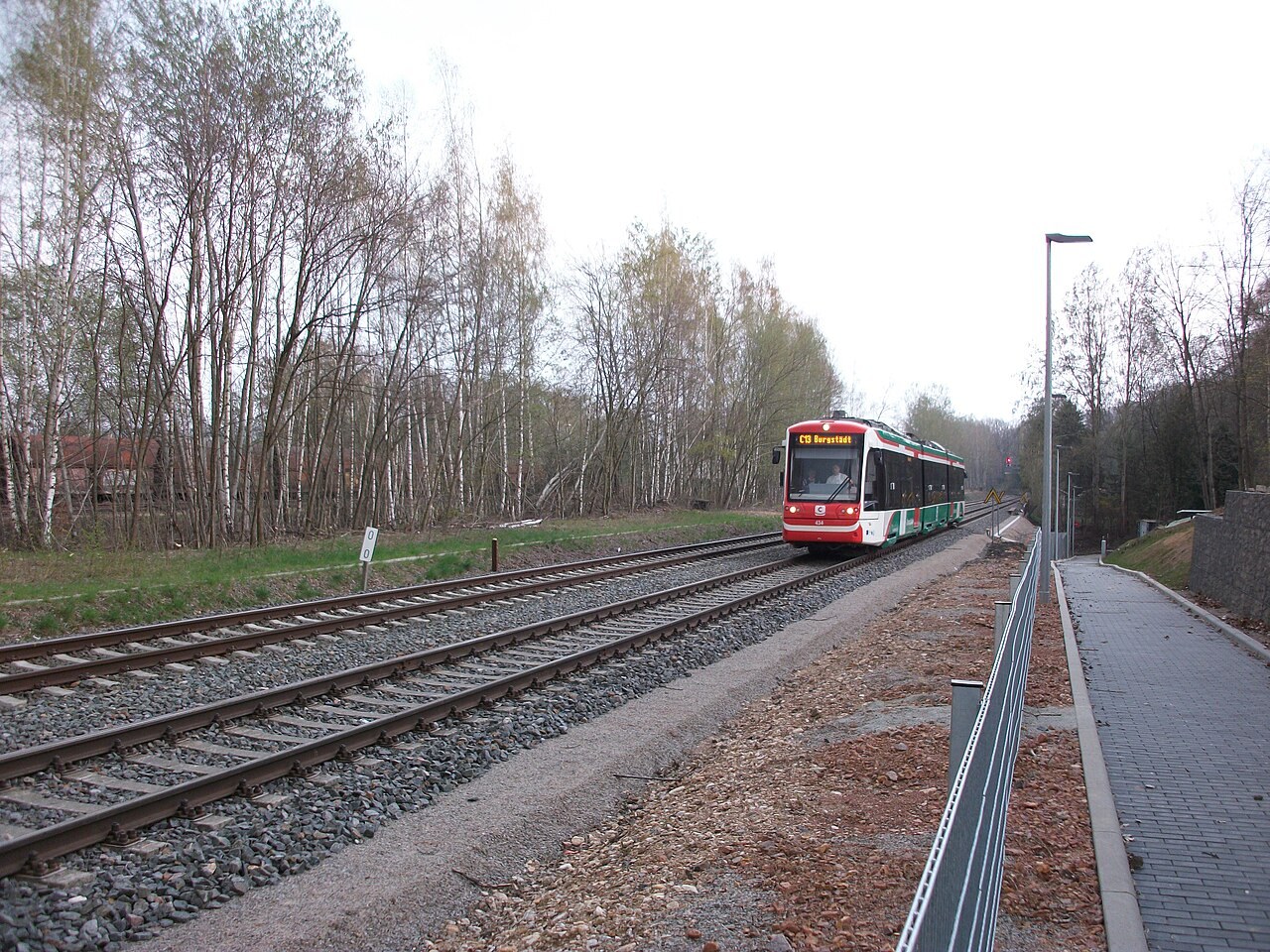
Check whether the result uses a tram, a bus or a combination of services. Save the direction, boarding stop and place where you will get off. A line number alone is incomplete. At an interchange, look at any walking link between stops as well. A theoretically short transfer can become tight with luggage or a slower walking pace.
Zentralhaltestelle is a useful point of orientation, but not every trip needs to go through it. Let the planner calculate the specific journey. A network diagram explains how services relate to one another, while a date-specific result helps with the actual travel decision. Relying only on the diagram can hide temporary changes or variations between days.
Settle the ticket before boarding
Consult the current fares information to decide which ticket matches your route and number of journeys. Relevant conditions include the geographical area covered, the period of validity and any rules for accompanying passengers. A rail ticket does not automatically include every onward journey in the city. Read the conditions of the ticket you hold rather than inferring coverage from where you bought it.
For a mobile ticket, complete the purchase and make sure it can be displayed before relying on it. An empty battery or an unconfirmed order is an awkward problem during a hurried interchange. For a paper ticket, check whether validation is required. That depends on the product, so use the operator’s instructions for the particular ticket instead of assuming one rule applies to everything.
At the stop and on board
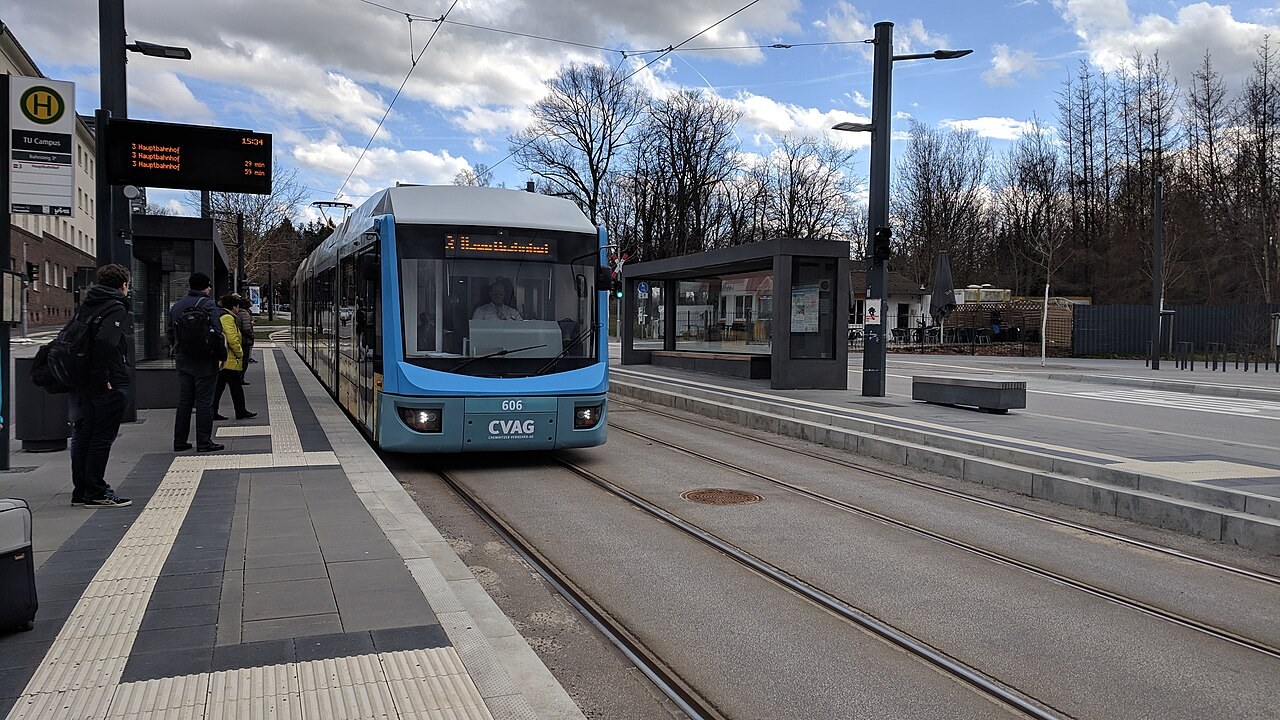
Compare the destination shown on the arriving vehicle with the direction in your saved journey. Let passengers leave before boarding and keep doors and circulation space clear. Marked areas help people travelling with pushchairs, wheelchairs or large bags find the appropriate space, but available capacity cannot be guaranteed. If you need particular assistance, discuss it through the official contact channels before travelling when possible.
A photograph of a network map is not a live disruption notice. If the wait becomes unexpectedly long, check real-time information and notices at the stop. Waiting may be more sensible than setting off towards another stop without a confirmed alternative. Base the decision on the actual message and the time you have, rather than on a feeling that moving must always be better.
Keep the visit larger than the transport plan
Group destinations that belong together geographically. A museum followed by a walk in the same area needs fewer changes than repeatedly crossing the city between unrelated stops. After a long break, check the later return options again. A convenient connection in the morning may not run in the same pattern that evening.
Save a return option as well as the outward journey, and leave a little margin. After a performance or tour, include the walk from the building to the stop. Buses and trams should support the visit, not turn it into a day spent watching departure boards. CVAG and VMS hold the changing details; this approach helps you use that information for the decisions that matter.