Start with the space around the sculpture
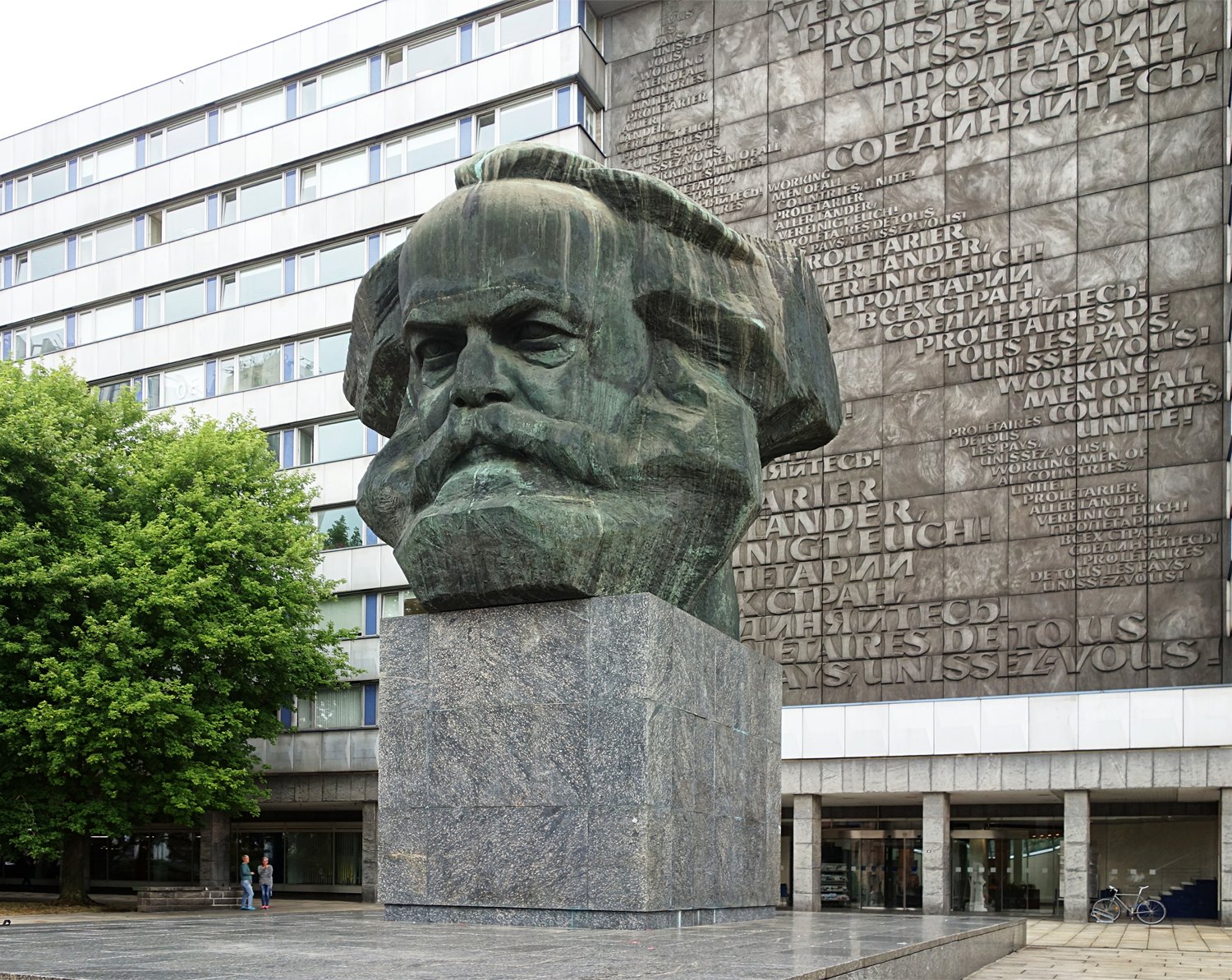
The Karl Marx Monument stands on Brückenstraße. Close up, the head dominates almost everything else. After that first view, step back far enough to take in the building behind it. The sculpture, the inscription wall and the broad street form a setting that is easy to lose in a tightly cropped photograph. Looking at that setting helps explain why this particular object occupies such a prominent place in the city.
Treat the stop as one part of a walk through the centre. It does not need an entire morning, but allow yourself time to move between a close view and a wider perspective. Use the designated crossings when changing sides of the street. A better camera angle is not worth stepping into traffic, and the public pavement offers several ways to frame the monument.
A political name, rather than a former resident
Chemnitz was called Karl-Marx-Stadt from 1953 until 1990. The monument, designed by Lev Kerbel, was inaugurated in 1971. Marx did not have a personal connection with the city. Its renaming was a political decision in East Germany, so this is not a memorial marking the philosopher's former home or workplace.
That distinction changes the questions worth asking here. Alongside identifying the person depicted, consider the effect of the scale and the relationship between the sculpture and the long facade. How small does a passer-by look beside the base? What disappears when a photograph excludes the surrounding buildings? These are things you can observe without specialist knowledge. They provide a starting point for understanding the historical account, rather than a substitute for it.
Looking closely and from a distance
Near the monument, the texture of the bronze becomes part of the experience. From farther away, its placement in the city is more apparent. Daylight helps with both views. Strong light behind the head can leave the face dark in a photograph even when the background looks bright. Try a slightly different position on the pavement before spending the whole stop adjusting your camera.
This is also an everyday urban space. People pass through, other visitors take pictures and events may change how much of the area is available. Keep routes clear and do not expect an empty scene. Including a person in the wider frame can communicate the scale more effectively than another close-up of the face, provided the photograph respects the people sharing the space.
Choose one more stop
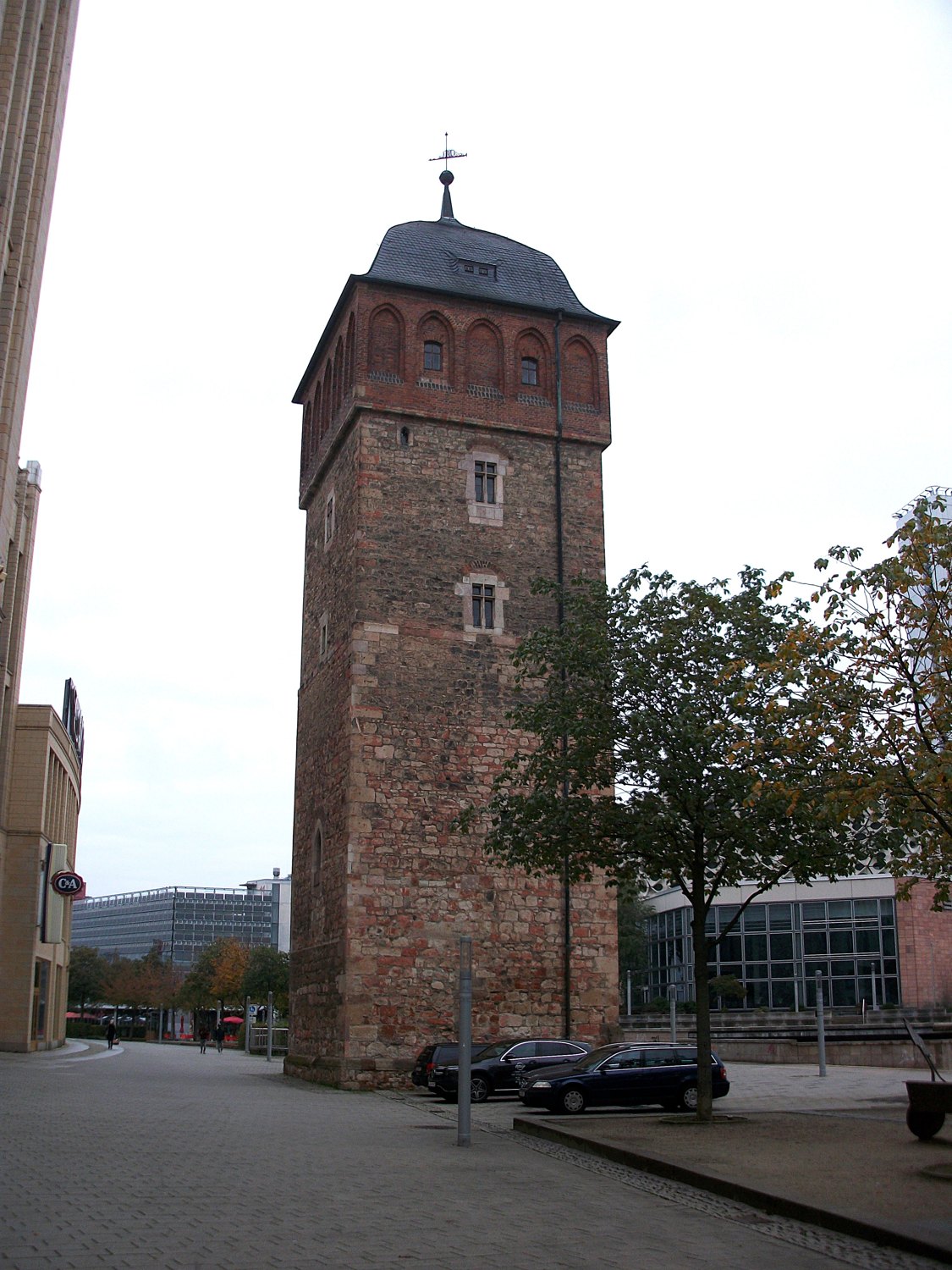
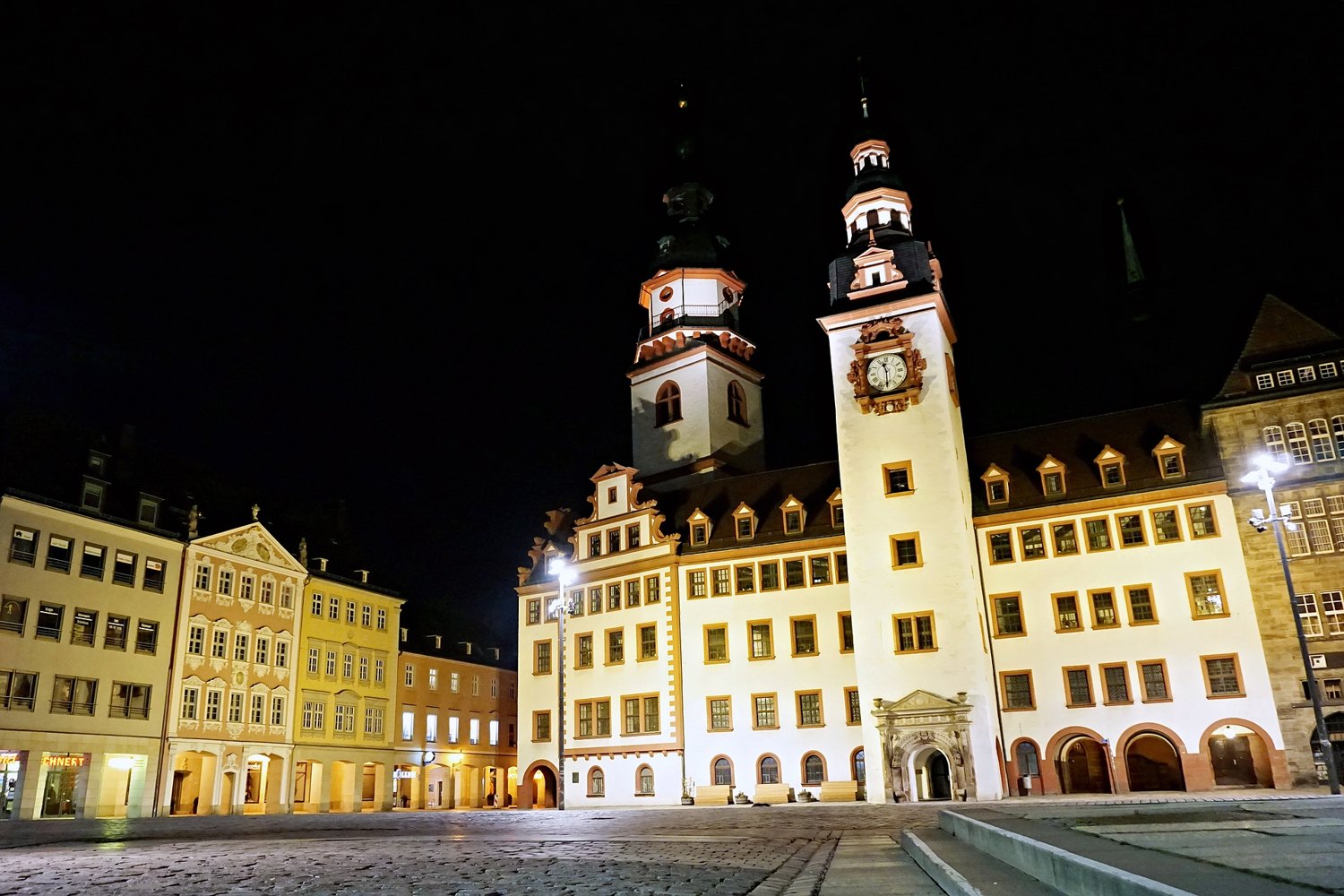
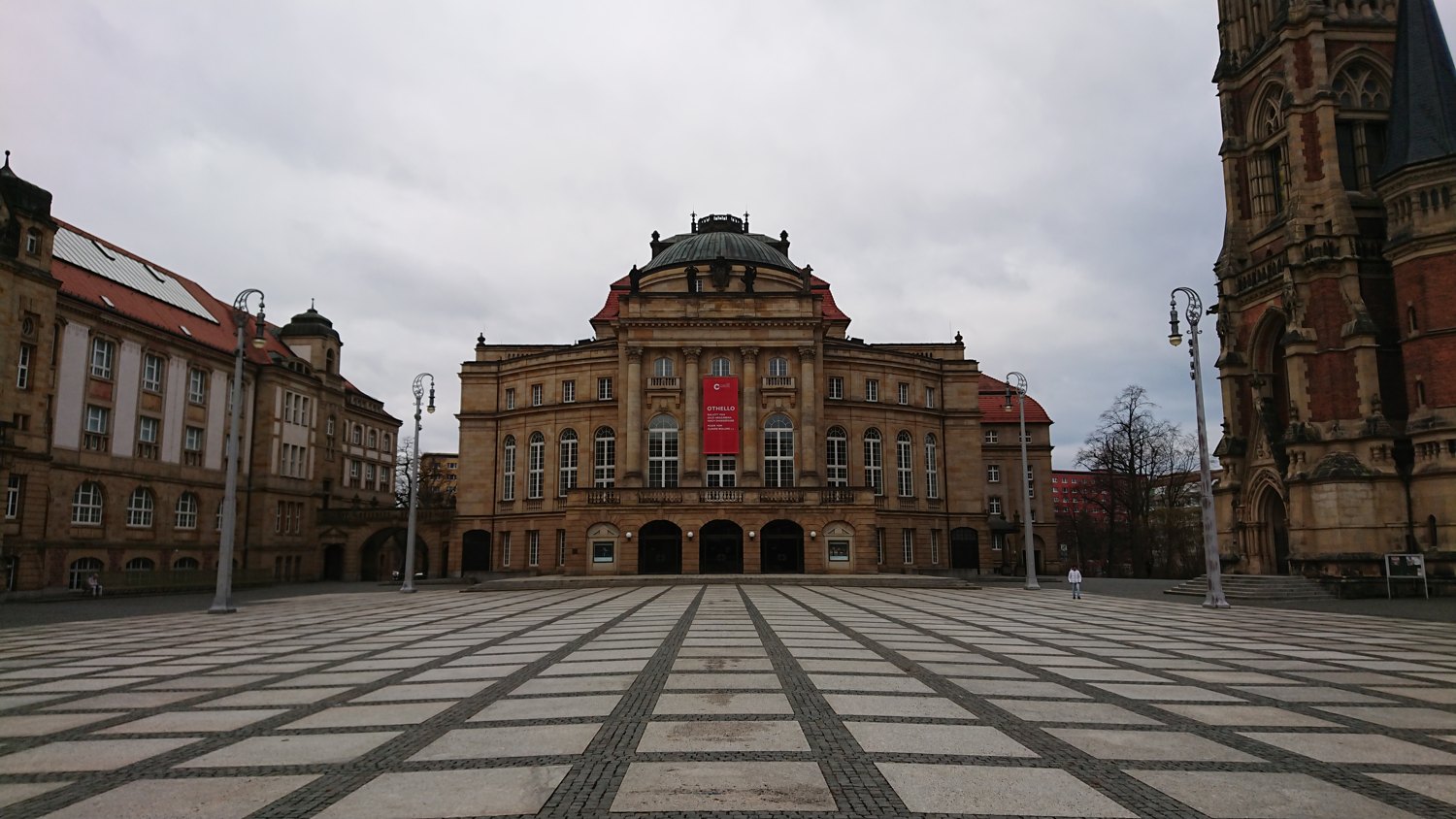
The Roter Turm and Theaterplatz offer different ways to continue a central walk. Pick the one that fits the direction of your day rather than doubling back merely to complete a list. Seeing another part of the centre also gives the monument a wider architectural context.
If the next stop is a museum, check its own opening information. An outdoor landmark does not share the opening arrangements of nearby institutions. For a more detailed account of the monument's origins, follow the city's history page below before setting out. Reading the background first leaves you free to notice the physical details that a small screen cannot convey.