Ask what the machine did
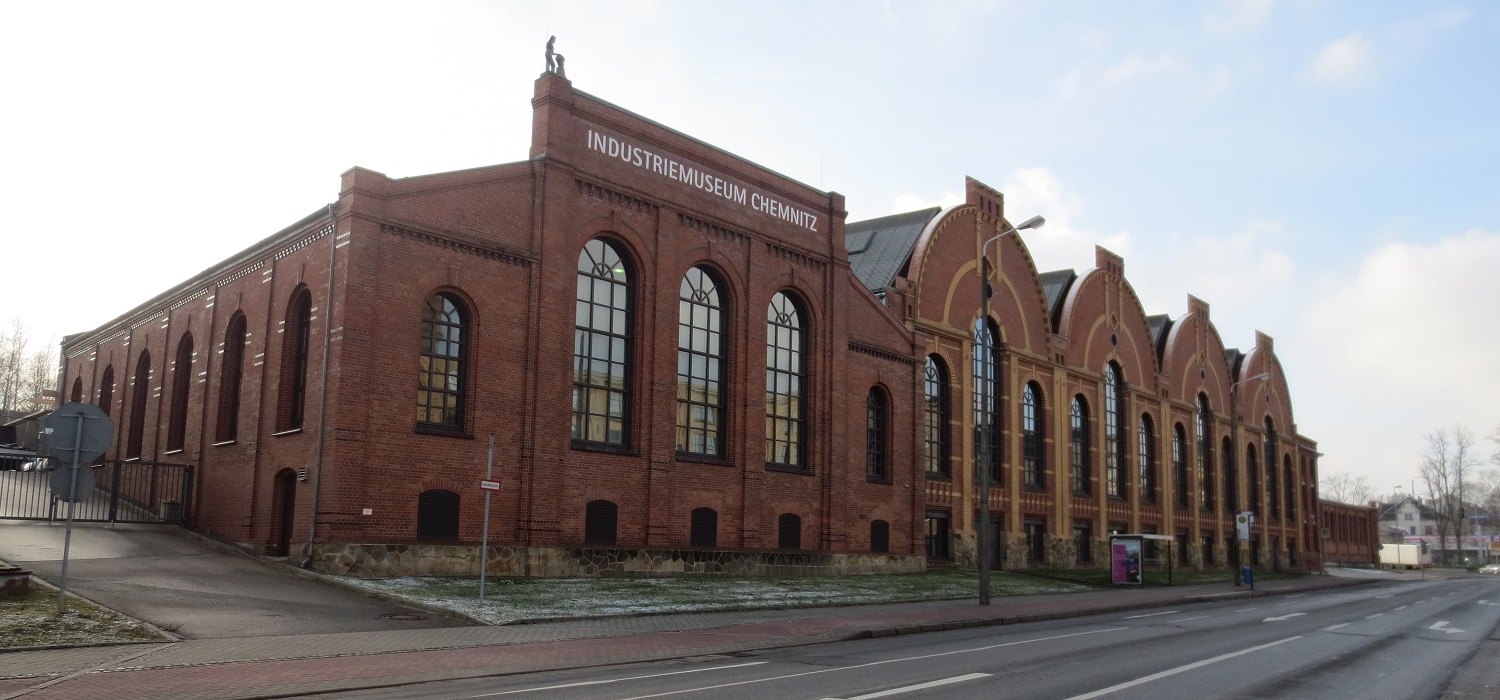
A large machine in the Chemnitz Museum of Industry is immediately noticeable. It becomes more interesting when you ask what material went in, what came out and who kept the process running. Those three questions connect technical objects with work and everyday life. You do not need engineering training to use them as a starting point.
The permanent exhibition is organised thematically rather than as a strict chronological sequence. Textiles, mechanical engineering and the social consequences of industrialisation offer different ways into the subject. Do not assume that moving into the next area automatically takes you into a later period. Read the orientation in the room and choose a theme you would like to follow.
Work backwards from a product
Take one displayed product as your starting point. Consider the materials and stages of work needed to make it. Then find the accompanying explanation and compare your idea with the process described. Familiar everyday objects can make the amount of technology behind an ordinary shape particularly apparent.
A finished object does not, however, reveal everything about its production. Working hours, skill, physical strain and the market for goods also belong to industrial history. Give displays explaining those relationships as much attention as large pieces of equipment. Otherwise, the visit can leave you with a memory of impressive dimensions and metal surfaces but little understanding of what they meant for people.
Treat demonstrations as a separate arrangement
A machine in a museum is not necessarily running. If a demonstration matters to you, consult the museum's current programme. Equipment being operational does not mean that it operates throughout every visit. Allow for the advertised time when planning your arrival and ask about the meeting point if it is unclear.
For families, observed movement can provide a useful conversation. Which parts move together, and where is the force transferred? Begin with what you can actually see, then add the museum staff's explanation. Touch or operate equipment only where this is explicitly invited. An object that illustrates a process is not automatically an interactive exhibit, however tempting a handle or button may look.
Leave with a connection
At the end, try linking one product to one machine in your mind. What has become easier to understand? You might have a clearer idea of why some industrial buildings needed large windows or extensive halls. Alternatively, the effect of changes in production on workers may be the question that stays with you.
The former industrial city can look different after this kind of visit, without requiring you to identify the precise former purpose of every building. Choose a particular industrial structure if you want to continue outside. Give the museum and the walk their own space in the day so that the exhibition becomes more than a brief introduction to a series of photograph stops.