Check which museum you mean
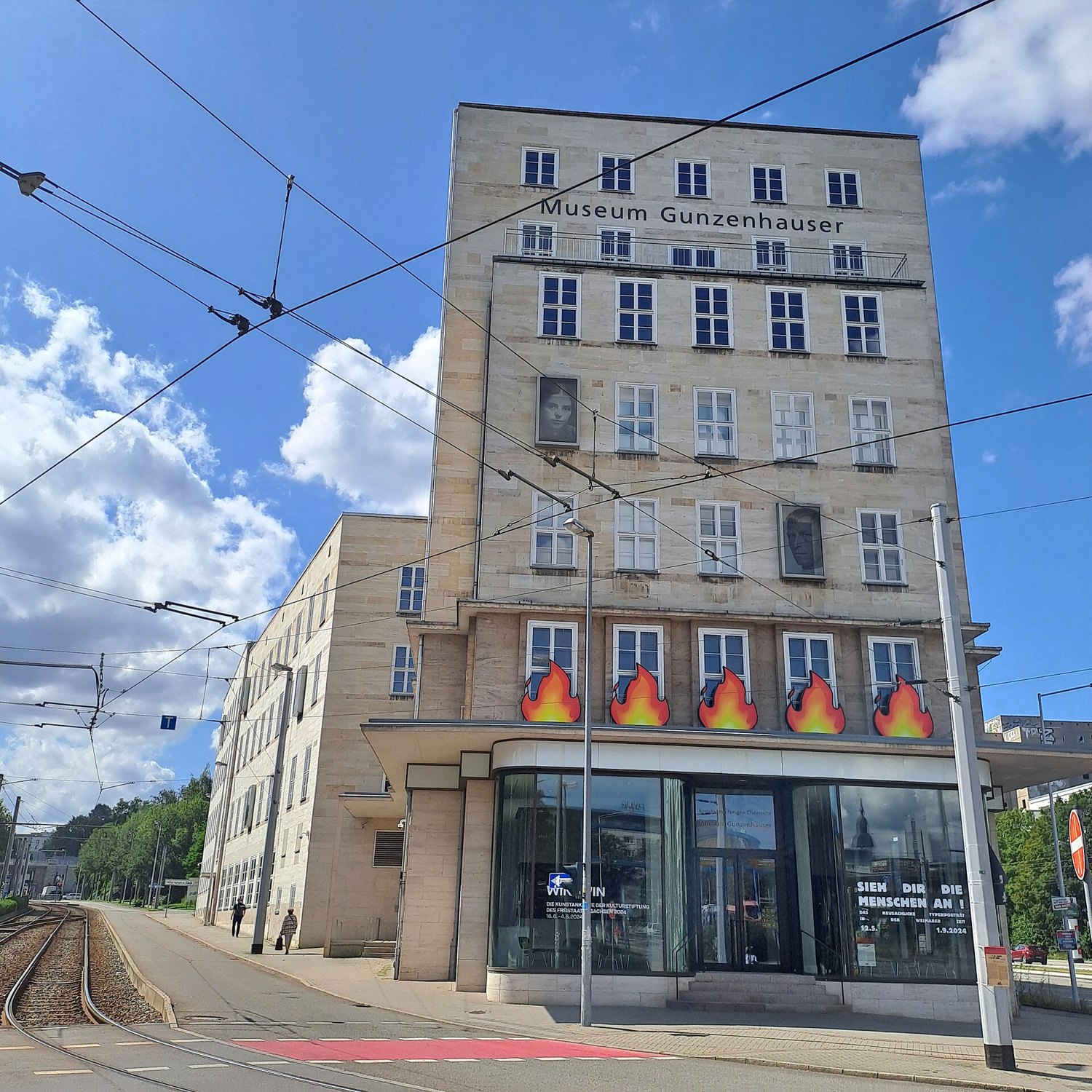
Kunstsammlungen Chemnitz is the name of a group of museums. To visit the paintings, prints or decorative arts at Theaterplatz, select Kunstsammlungen am Theaterplatz specifically. Museum Gunzenhauser belongs to the same organisation but occupies a different location. This matters when browsing the shared website: an appealing exhibition image does not, by itself, tell you which building to go to.
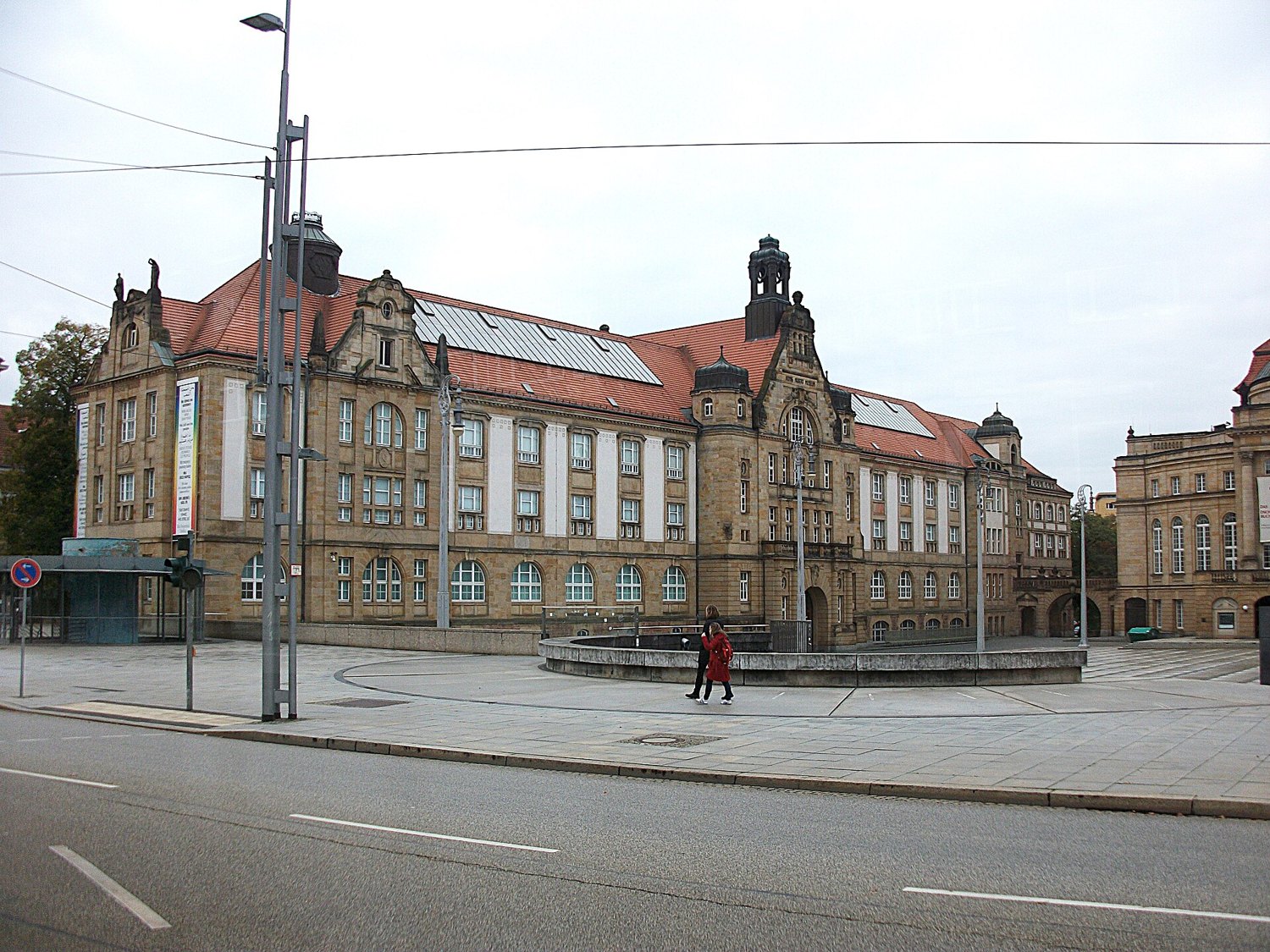
The setting at Theaterplatz makes it possible to combine a museum visit with a look at the surrounding square. Start outside, then enter with a particular interest in mind. That might be expressionist painting, textiles or a temporary exhibition you have read about. Choosing a focus is more useful than expecting to give every object the same amount of attention.
A collection is not the same as a display
The holdings cover several artistic media, with expressionism, textiles and contemporary art among the museum's strengths. Karl Schmidt-Rottluff has a particular connection with Chemnitz. None of this means that every work illustrated in the digital collection will be hanging in a gallery when you visit. The collection, the current selection on display and a temporary exhibition are different things.
Use the current exhibition programme to choose what interests you on the day. The online collection is better for becoming familiar with artists and following up afterwards. If one particular work is the reason for your journey, ask the museum whether it is on view. An undated image on a screen is not a reliable promise of what you will find in a room.
Spend longer with a smaller selection
In the first room that appeals to you, choose a work that holds your attention. Read its title and date, then look at the colour, the arrangement of shapes and the spaces between people or objects. Turn to the longer explanation afterwards. This keeps looking at the centre of the experience, rather than allowing a label to determine everything you notice.
Find a second work nearby for comparison. It may use a different palette for a similar subject, or have a surface that appears smoother or more restless. You do not need specialist vocabulary to recognise these differences. A brief note containing the artist's name and one observation is enough to help you remember it later. Follow the museum's photography rules, including any restrictions specific to the exhibition.
With a companion, try looking separately for a while and then each introduce one chosen work. This creates a conversation without assuming identical interests or prior knowledge. With children, a specific question often provides a better opening than a long explanation: which colour keeps returning, where do the shapes gather, or what catches your eye first? Let the answers lead the next few minutes.
Leave space for attention to change
There is no single correct duration for an art museum visit. Some rooms will hold you longer; others may be less relevant to your interests that day. Take a break when the pictures start passing by without registering. Returning to a few selected rooms can be more rewarding than moving rapidly through everything available.
If you also want to see a temporary exhibition, check the admission arrangements for it. Allow for any booked activity when planning your own route through the building. The museum's current information is the source for opening, admission, tours and access arrangements. This guide suggests an approach to looking; it does not describe a fixed itinerary operated by the museum.
Back on Theaterplatz
After leaving, spend a moment on the square to collect your thoughts. Note one work, a question or an artist you want to look up in the digital collection. A long list is unnecessary. One remembered connection can last longer than dozens of photographs of labels taken without time to read them.
If Museum Gunzenhauser is also on your plan, treat it as a separate second visit. Include the journey between the buildings and a break. Combining the two simply because they share an institution does not make the art easier to absorb. Your own interest, and the attention you have left, are more useful guides to the afternoon.