Start with the building
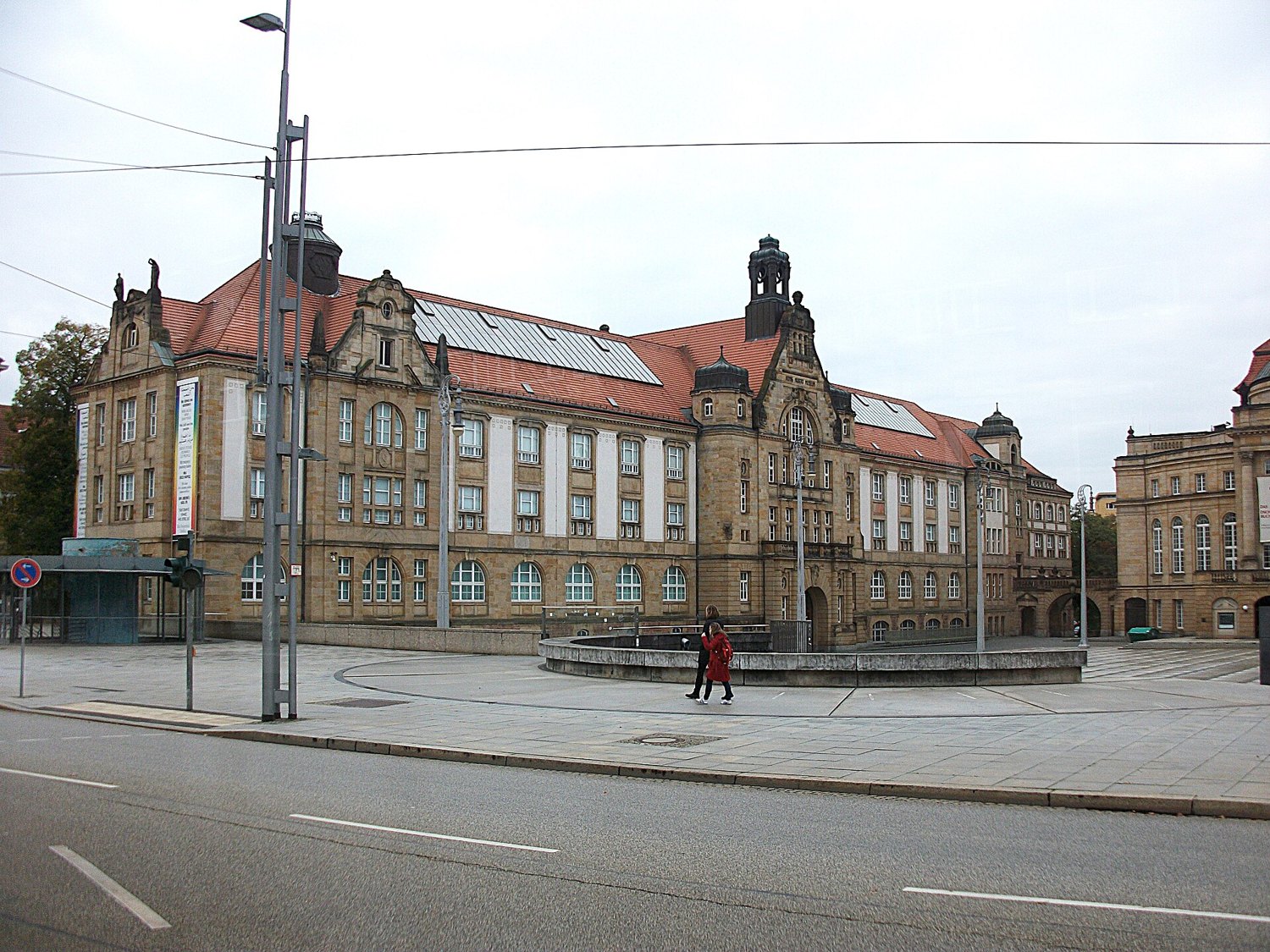
The vehicle museum occupies the historic Stern-Garagen. Built in 1928, this was an early multi-storey garage in which lifts moved cars between levels. The museum now uses the ground floor. The history of the upper floors does not mean visitors can explore the entire building, so make that distinction before planning your visit.
Look at the scale of the building and the rhythm of its façade before entering. A structure like this belongs to a moment when cars needed more than road space. Parking, maintenance and repair became urban activities with buildings of their own. Keep that spatial question in mind inside: how does a vehicle displayed as an object differ from a vehicle for which someone must find a parking place every day?
Compare uses before collecting names
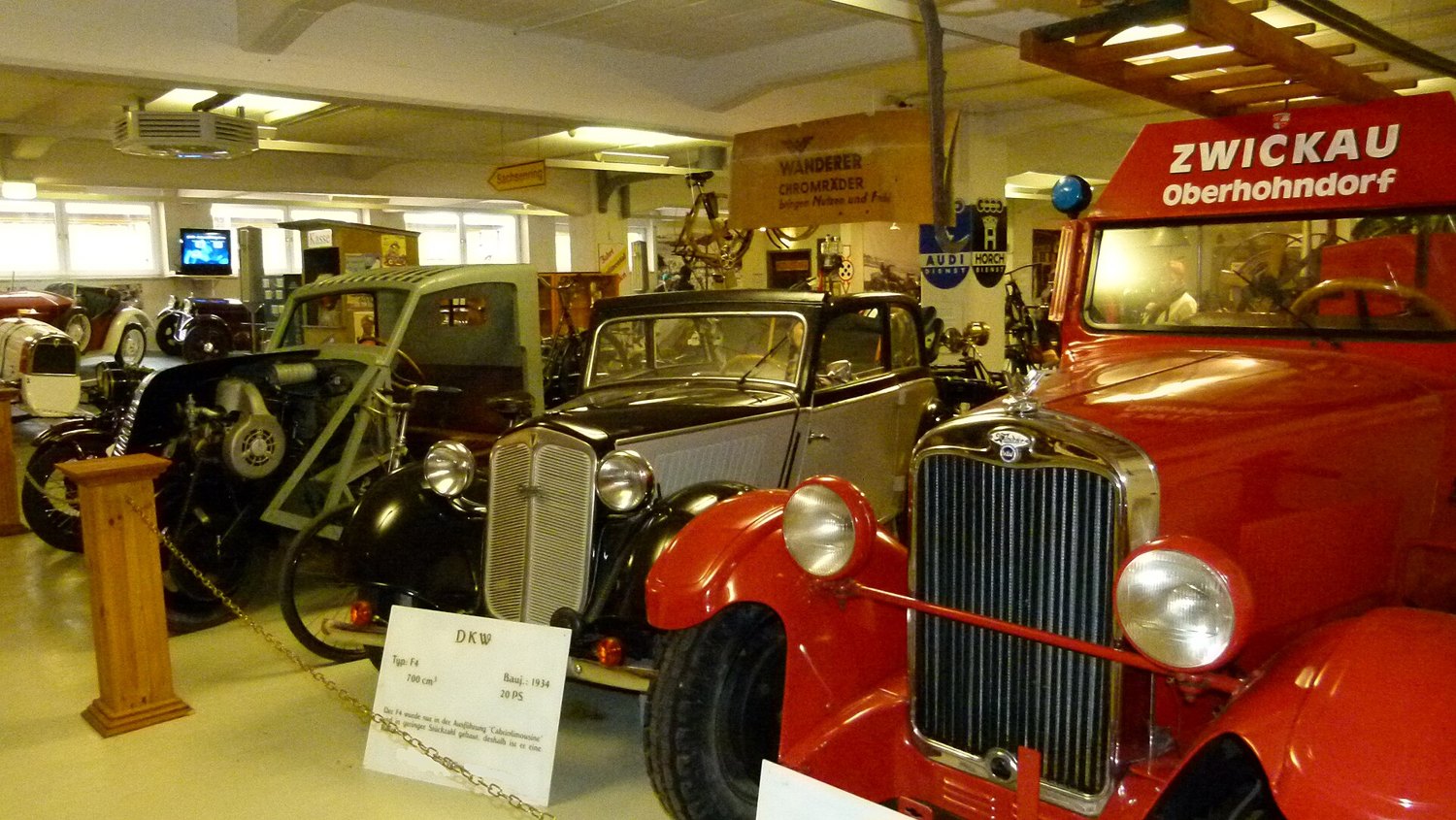
You can understand a collection of historic vehicles without recognising every manufacturer. Begin with two noticeably different objects. Compare the seating position, protection from the weather, access and space for luggage. These features offer immediate clues to what each vehicle was intended to do. An open two-wheeler and an enclosed car create very different relationships with the street, even though both move people between places.
Read the labels afterwards. The date, maker and intended use may change your first impression. A small vehicle was not necessarily cheap; an elaborate shape tells you little about how many people could afford it. Where economic information is absent, leave the question open. Avoid projecting current prices or present-day expectations of comfort backwards onto the collection.
Explain technology through visible choices
With children, a specific task is often more effective than a sequence of long explanations. Find the lights, the brakes and somewhere to carry an object. Which features are obvious, and which are harder to see? Remain behind barriers and do not treat vehicles as play equipment. An explicitly designated interactive exhibit is different from an accessible-looking object.
Adults may find controls and maintenance more revealing than maximum speed. Where did somebody have to reach, push or turn a handle? Which parts look accessible, and which would require tools? Separate what you can observe from what you are guessing. If a mechanism remains unclear, the label or a conversation with museum staff is more useful than an improvised technical explanation.
Give the collection its own visit
Check current opening arrangements and any temporary exhibitions with the museum. Visitors with limited mobility should also clarify the entrance and accessible visitor areas beforehand. The historic building type does not establish present-day accessibility. Do not assume that your ticket includes a route through every floor of the old garage.
The industrial museum can make a second destination if you want to explore production as well as mobility. That means allowing for two separate visits and the journey between them. For a shorter afternoon, the vehicle museum is enough on its own. Choose one object that changed your picture of earlier transport and read its context more closely. That is more likely to stay with you than a hurried attempt to memorise every badge in the room.