Distance is only part of the route
With a pushchair, the character of a route matters as much as its length. Broad road crossings, kerbs, cobbles and detours to a suitable entrance can make a short distance more demanding. Look at individual sections on a current map and ask key destinations about access before relying on the route.
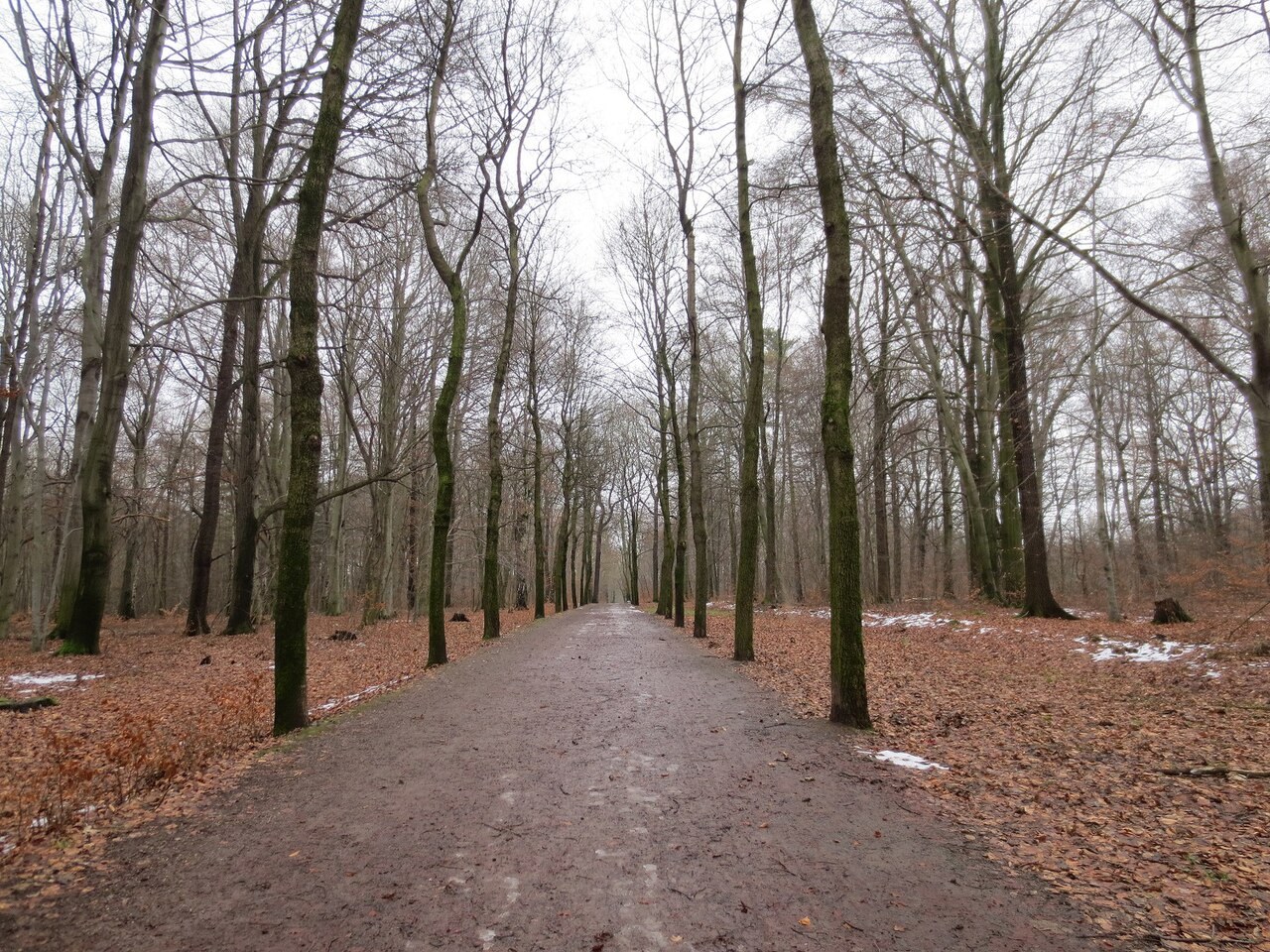
In Chemnitz, a visit built around a few central places may work better than many scattered stops. Choose one main destination and leave room for an outdoor break. Küchwald, for example, is a green destination in its own right rather than a tiny addition to every city-centre itinerary. Include the outward and return journeys before adding it to the day.
Ask the museum about the pushchair
Check whether the selected museum allows pushchairs inside the exhibition and which entrance should be used. Somewhere to leave a pushchair is not the same as permission to take it through the galleries. If storage matters, ask whether the area is supervised, and take important belongings with you in any case.
An exhibition can interest the adults while requiring a different pace when a child becomes tired or hungry. Avoid putting a lengthy fixed tour directly against a usual sleep or meal time. A shorter visit focused on a few things may be more rewarding for everyone than trying to complete the entire collection.
Avoid tight transport changes
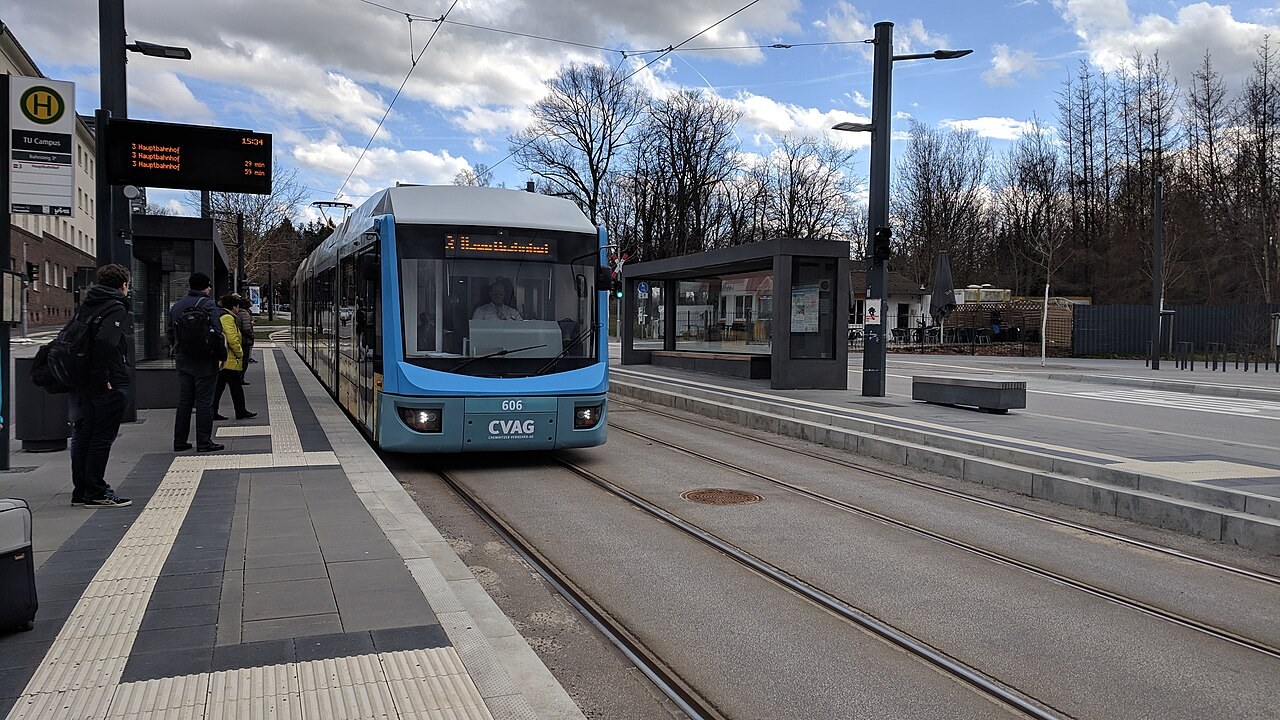
Read CVAG’s guidance for travelling on buses and trams. The particular service and boarding conditions matter more than an assumption that every vehicle will always have space. Avoid transfers that depend on walking quickly. Time to orient yourself at a stop is more useful than a theoretically rapid connection.
Let other passengers leave and keep doorways clear. If the intended space is occupied, the next suitable service may be the better option. For that reason, leave a margin before a booked appointment instead of placing it immediately after the predicted arrival.
A useful break needs more than a bench
Check specific facilities when changing space, toilets or a meal are required. A place described as a park does not guarantee them. Identify one actual place to pause and an alternative. In rain, shorten the outdoor section without treating the whole day as lost.
Keep the items needed for the next break easy to reach, rather than burying everything beneath the pushchair. A small number of well-connected stops is easier to adapt to the child than a fixed programme in which every delay threatens the next appointment.