More than an approach to the monument
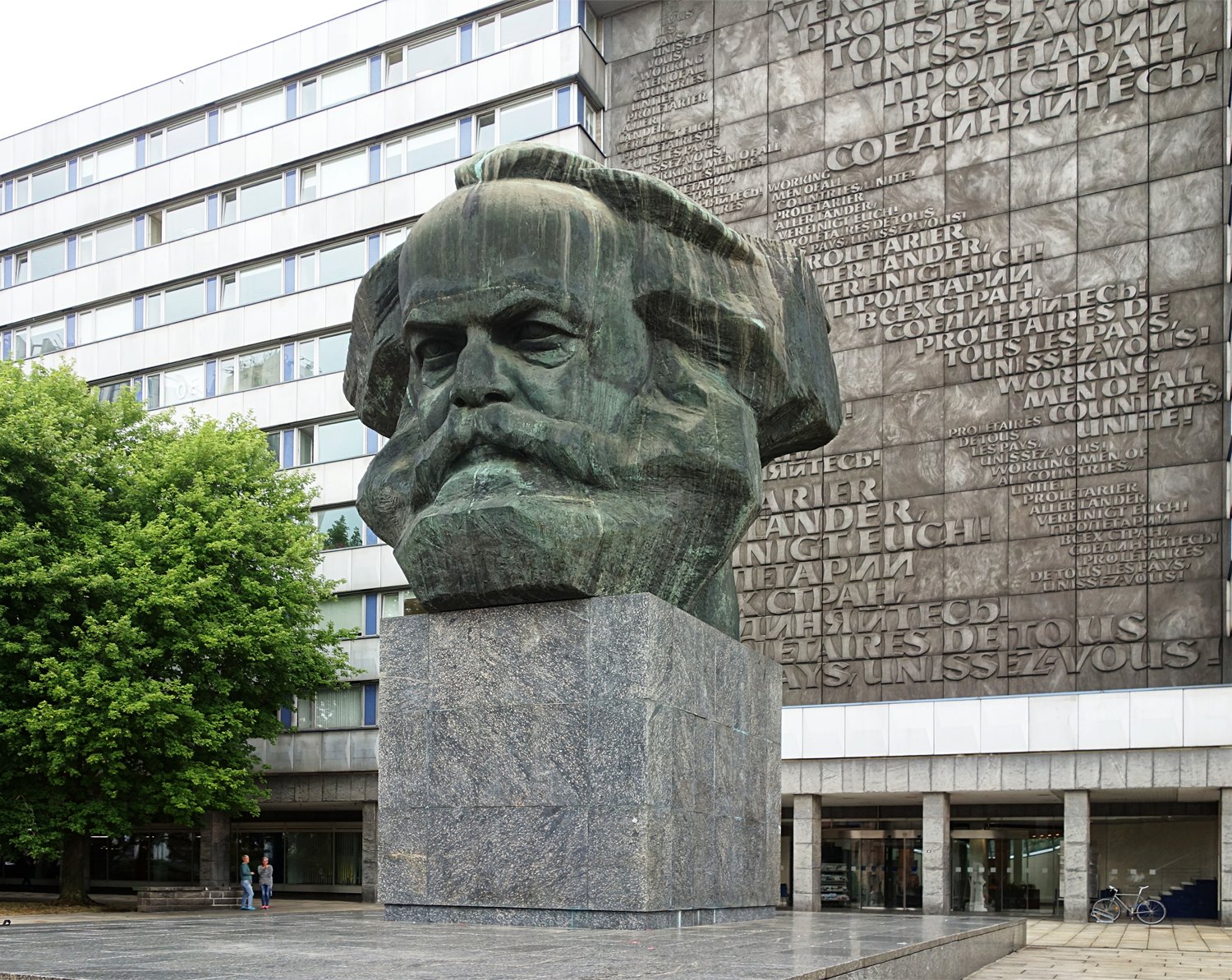
Many visitors come to Brückenstraße for the Karl Marx Monument and leave as soon as they have photographed it. Staying a little longer reveals the setting in which the sculpture was placed. The broad road, extended building frontages and open foreground affect the experience as much as the bronze head. Look at that sequence as a whole before concentrating on an individual detail.
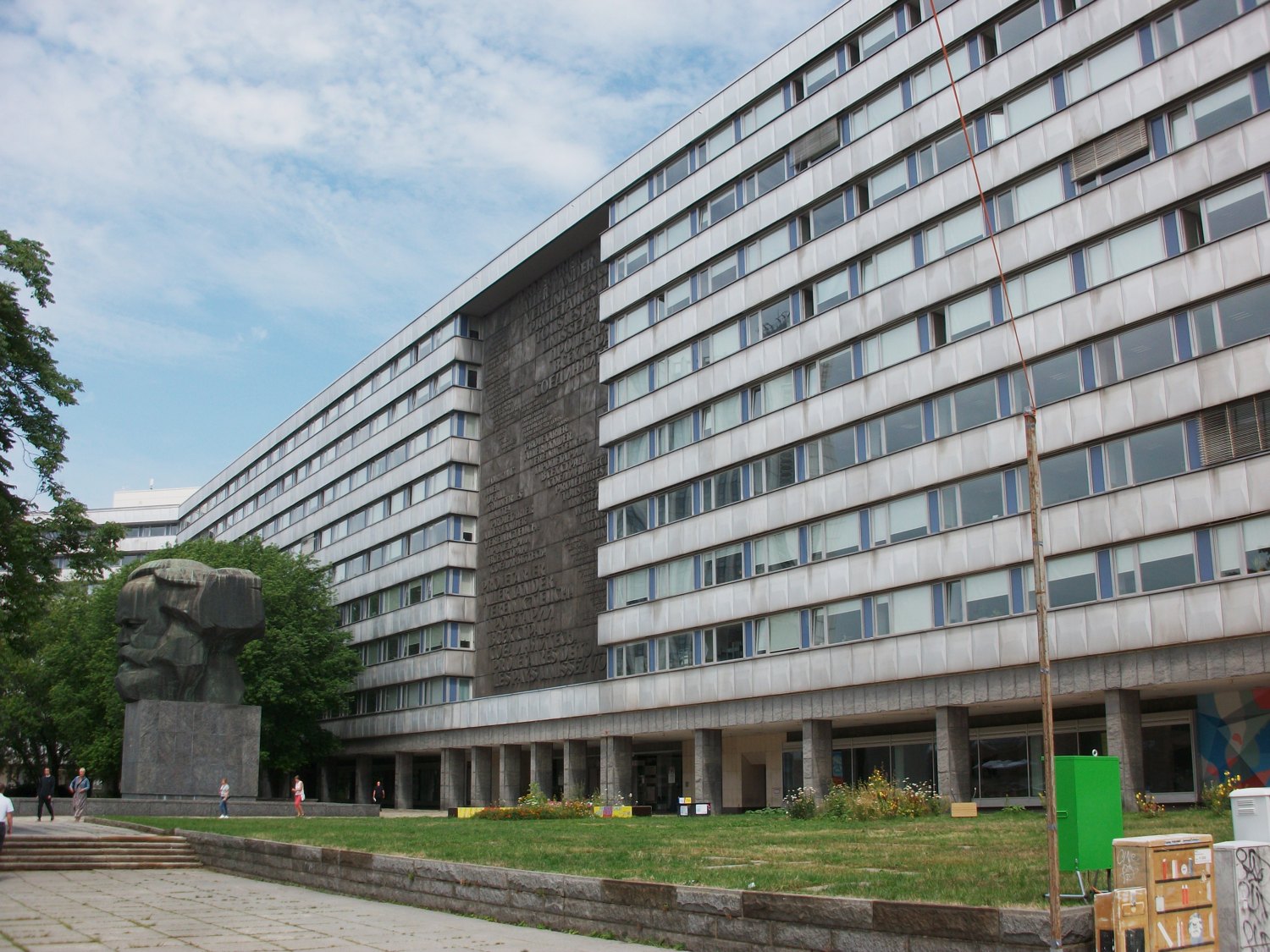
The municipal chronology links the opening of the monument with the administrative building in 1971. That connection is more useful than imagining an isolated sculpture with an incidental background. Notice the contrast between the long horizontal façade and the concentrated presence of the head. This is a way to observe the physical setting, not a prescription for how visitors should interpret its political history.
Use both sides of the street
Cross only at the designated crossings. From the opposite side, the length and repeated elements of the buildings become clearer. At closer range, entrances, materials and the inscription wall draw attention. These two positions give a short visit more substance without requiring a long detour.
On an architectural walk, take an overall reference photograph before making detail pictures. Later, you will still know which building contained a particular window or surface. There is no need to photograph strangers at close range simply to demonstrate scale. Remember that office entrances, traffic areas and public spaces have different uses. An open gate does not make an administrative building available for casual exploration.
Add the contrast to your route
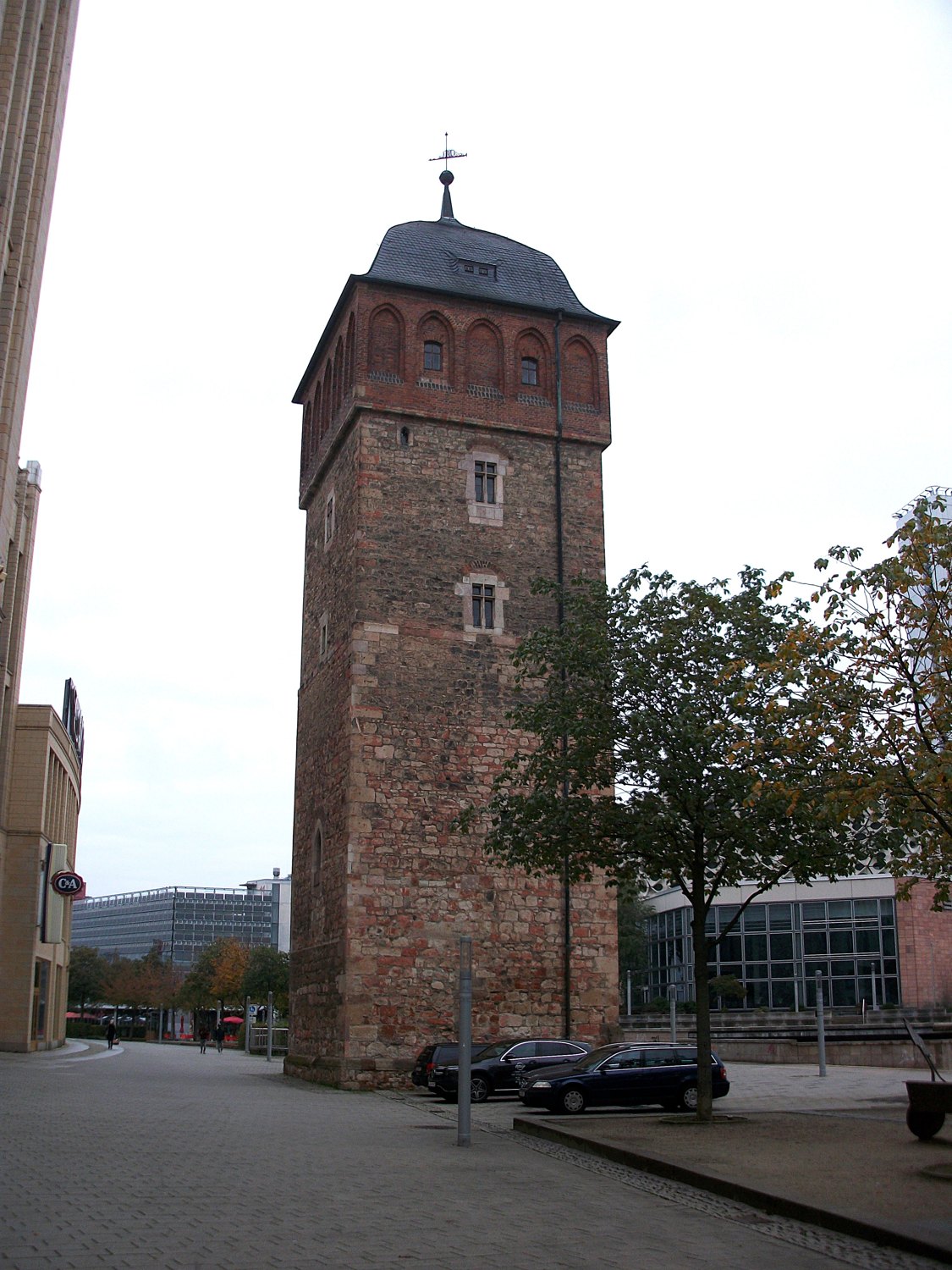
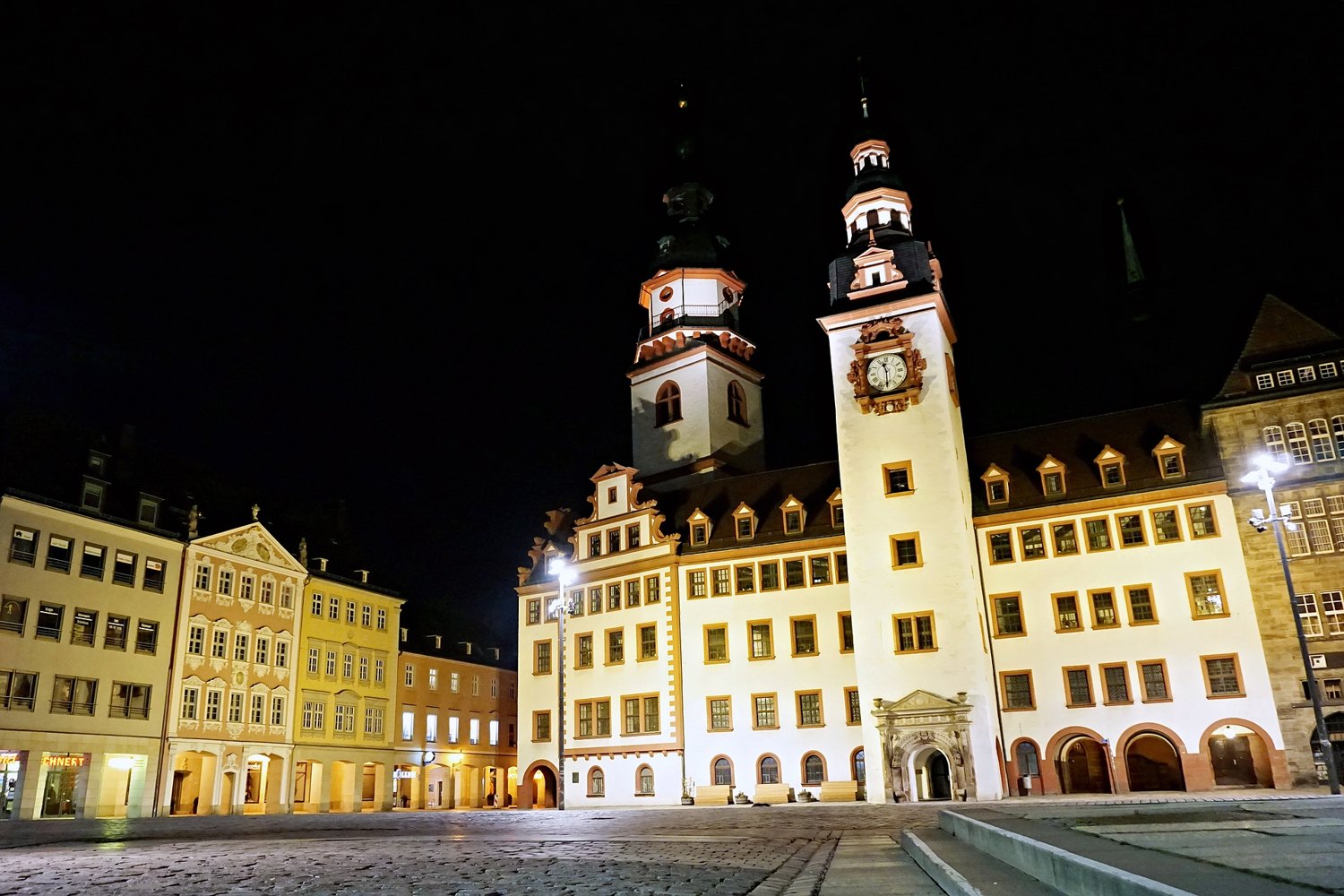
Pair Brückenstraße with the market square and Theaterplatz if you want to compare different phases of the centre. The point is not to rank one period above another. Instead, observe the changing scale: a more compact square, a broad urban axis and a group of prominent cultural buildings. This gives each stop a distinct purpose rather than making the walk a series of disconnected photographs.
Weather and traffic noise matter when choosing where to pause. Read a longer explanation from a suitable position at the edge rather than stopping in a busy pedestrian flow. If you book a guided tour, ask whether post-war urban development is part of its focus. For an independent visit, one question is enough to carry with you: what do the buildings contribute together that a tightly framed photograph of the monument leaves out?